Atomic-Level Engineering: Breakthrough in Tuning Materials for Advanced Electronics

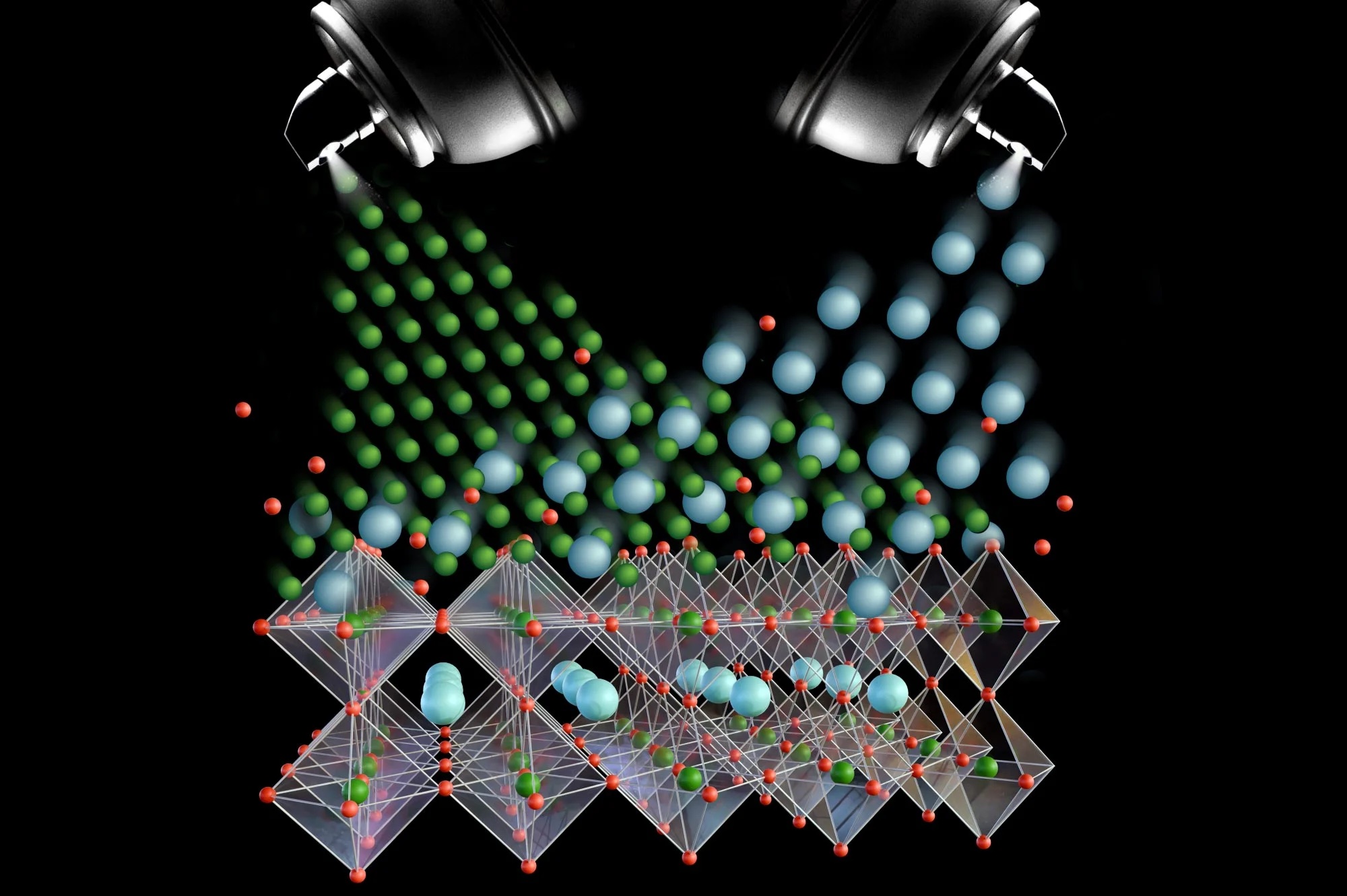
Scientists at Penn State have demonstrated precise control over material properties through “atomic spray painting” of potassium niobate using molecular beam epitaxy (MBE). The technique, detailed in Advanced Materials, allows for exceptional control through strain tuning—modifying a material’s properties by manipulating its atomic structure.

The team achieved a first by growing potassium niobate using MBE, which deposits atomic layers onto a substrate. By creating strain through template-guided growth, they enhanced the material’s ferroelectric properties. Even a 1% strain produced pressure effects impossible to achieve through external forces.

Continue reading… “Atomic-Level Engineering: Breakthrough in Tuning Materials for Advanced Electronics”
Stem Cell Transplants: A Revolutionary Approach to Saving Coral Reefs

Climate change is causing widespread bleaching and death among the world’s coral reefs due to rising sea temperatures. In response, Dr. Benyamin Rosental of Ben-Gurion University of the Negev and his team have proposed an innovative potential solution: transplanting stem cells from resilient corals to revive vulnerable ones.

In a recent paper published in Cell Reports, Dr. Rosental, along with Shani Talice and their colleagues, demonstrated for the first time the feasibility of transplanting stem cells into sea anemones, close relatives of corals. Their research showed that stem cells from hexacorallia (Nematostella vectensis) successfully integrated, differentiated, and proliferated in transplanted individuals.

Continue reading… “Stem Cell Transplants: A Revolutionary Approach to Saving Coral Reefs”

Novatron’s TauEB Project: Pioneering Commercial Fusion Energy

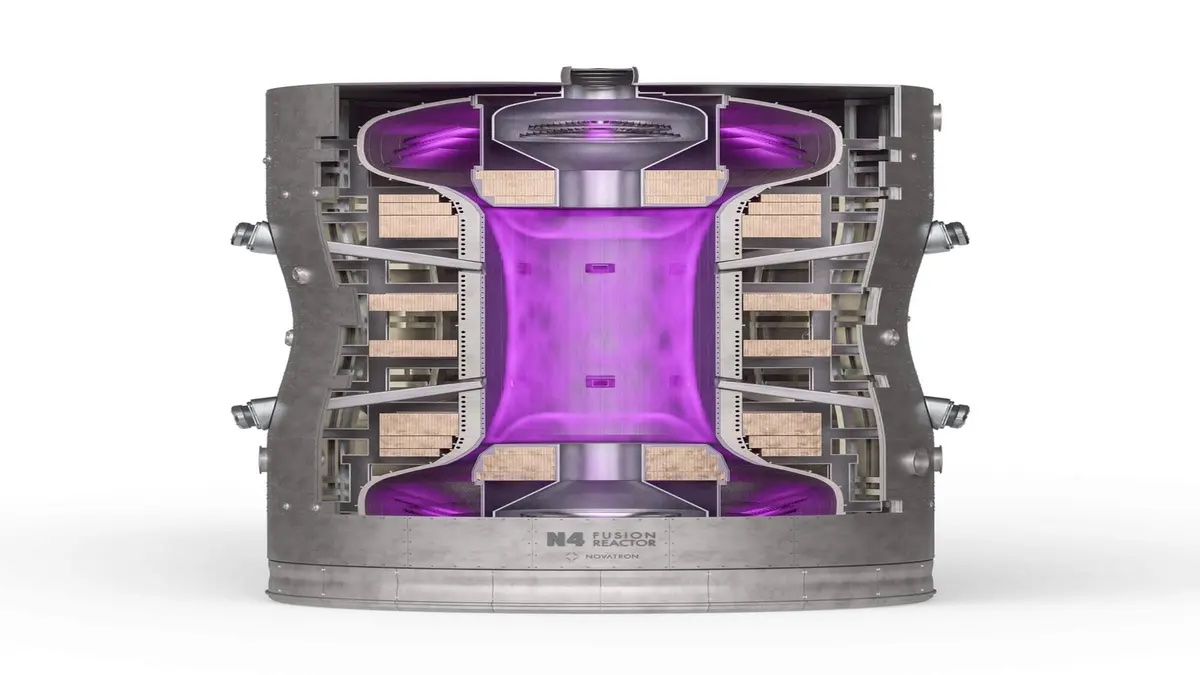
A Sweden-based company, Novatron Fusion Group, has launched the TauEB project, an innovative initiative aimed at achieving commercially viable fusion energy. By revolutionizing plasma confinement and energy containment techniques, the project seeks to position fusion power as a competitive and sustainable energy source.

The TauEB project introduces a groundbreaking integration of three physical confinement techniques: Magnetic Confinement, Ambipolar Plugging, and Ponderomotive Confinement. This combination marks a first-of-its-kind approach to improving plasma stability and energy retention in fusion reactors.

Continue reading… “Novatron’s TauEB Project: Pioneering Commercial Fusion Energy”

Advancing Clean Energy: Hydrogen-Compatible Micro-Turbines

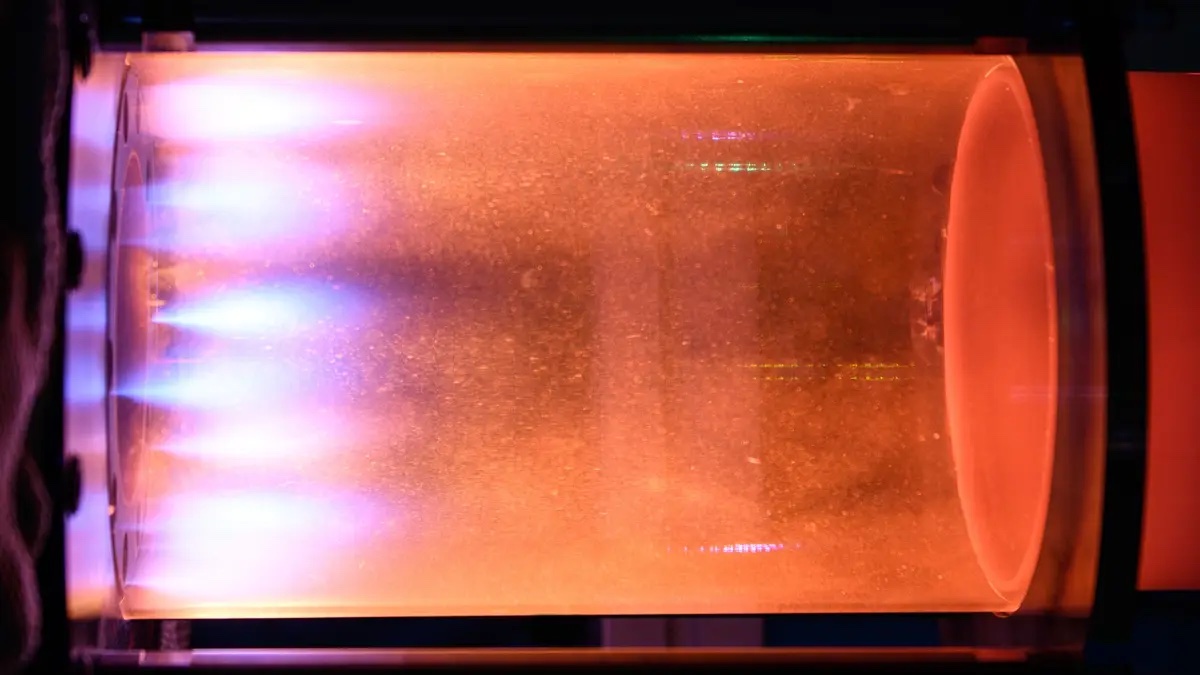
Green hydrogen is often proposed as a climate-friendly alternative to natural gas for energy production. However, the infrastructure for a green hydrogen economy is still in its infancy and may take years to fully materialize, if it happens at all. To bridge this gap and sustain small natural gas power plants in the interim, the German Aerospace Center (DLR) and power-plant service provider Power Service Consulting (PSC) have tested micro-turbines capable of running on hydrogen, natural gas, or a combination of both.

Peter Kutne, head of the Gas Turbines Department at the DLR Institute of Combustion Technology, emphasized the cost and time benefits of retrofitting gas turbines for hydrogen compatibility. Building a new 15-megawatt gas turbine power plant typically requires six years and costs approximately $31 million (€30 million). In contrast, retrofitting an existing plant takes just 1.5 years and costs about a tenth of that amount.

Continue reading… “Advancing Clean Energy: Hydrogen-Compatible Micro-Turbines”

Transforming Insects into Innovation: The Rise of Cyborg Cockroaches

Researchers at Nanyang Technological University in Singapore have unveiled a groundbreaking machine capable of transforming ordinary cockroaches into remotely controlled cyborgs. This innovative device equips each cockroach with portable stimulation and communication electronics in just 68 seconds, a significant improvement over traditional methods that require up to 30 minutes and specialized skills.

The “cyborgized” cockroaches are fitted with an electronic “backpack” that enables remote control through electronic stimulation of their antennae. By stimulating either the left or right antenna, researchers can influence the cockroach’s direction. Unlike earlier techniques that demanded manual precision, the newly developed machine automates the process, paving the way for large-scale production of these enhanced insects. The researchers claim this process is harmless to the cockroaches and can potentially scale to produce hundreds or even thousands of cyborg cockroaches on demand.

Continue reading… “Transforming Insects into Innovation: The Rise of Cyborg Cockroaches”

MIT Develops Groundbreaking Biodegradable Particles to Combat Microplastic Pollution

Researchers at the Massachusetts Institute of Technology (MIT) have made a significant breakthrough in addressing the global microplastic pollution crisis by developing innovative biodegradable particles that could revolutionize both environmental protection and nutritional supplementation.

Microplastics, tiny plastic particles found ubiquitously across the planet, pose a substantial environmental threat originating from everyday items like tires, clothing, and packaging. Recognizing the urgent need for sustainable solutions, MIT’s chemical engineers have created eco-friendly polymers that naturally decompose into harmless byproducts such as sugars and amino acids.

Continue reading… “MIT Develops Groundbreaking Biodegradable Particles to Combat Microplastic Pollution”

Breakthrough in Photonic Space-Time Crystals Promises Revolutionary Optical Technologies

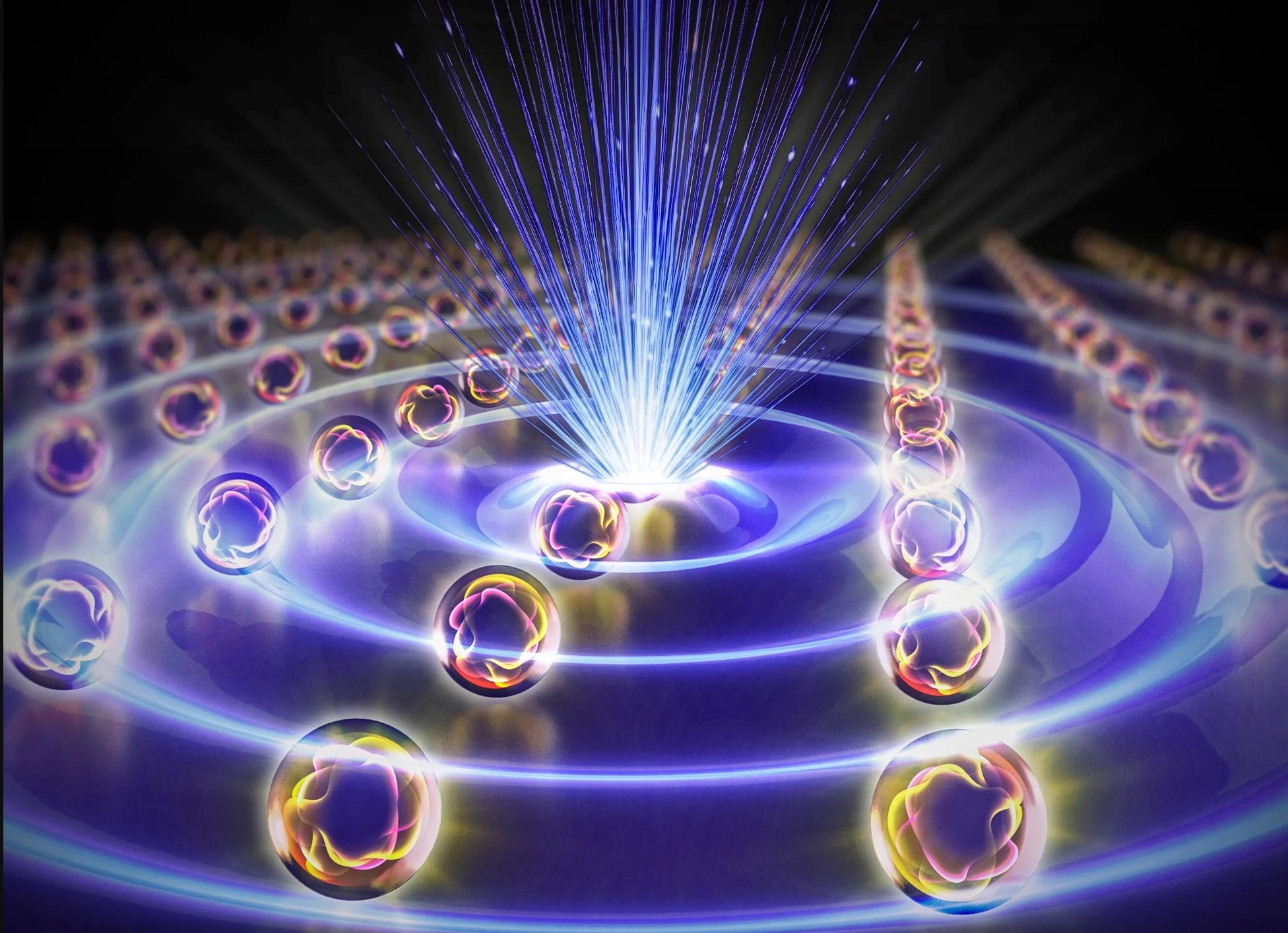
Researchers from the Karlsruhe Institute of Technology (KIT) and international collaborators have made a groundbreaking advancement in photonic space-time crystals, opening new frontiers for optical technologies with potentially transformative applications in wireless communication, lasers, and information processing.

Photonic space-time crystals represent a remarkable scientific innovation—materials engineered with a unique four-dimensional structure that allows precise manipulation of light’s behavior. Unlike traditional materials, these crystals feature a periodically arranged structure that changes dynamically across three spatial dimensions and time, enabling unprecedented control over light’s spectral properties.

Continue reading… “Breakthrough in Photonic Space-Time Crystals Promises Revolutionary Optical Technologies”

Revolutionary Plasma Water Technology: A Sustainable Solution for Global Sanitation and Agriculture

In a groundbreaking development, South Korean company Palsoo has introduced a portable sterilization system that transforms ordinary tap water into a powerful sanitizing agent. Unveiled at the CES 2025 Global Media Meet-up in Seoul, this innovative technology offers a sustainable solution to critical challenges in sanitation, agriculture, and public health.

The device harnesses the power of plasma activation and solar charging, creating a unique system that can eliminate 99.8% of airborne bacteria and viruses. CEO Jang Palsoo demonstrated how the technology generates Plasma Activated Water (PAW), a remarkable substance with significant antimicrobial properties that can be used in diverse environments, particularly in regions with limited infrastructure and electricity.

Continue reading… “Revolutionary Plasma Water Technology: A Sustainable Solution for Global Sanitation and Agriculture”

Water from Thin Air: Innovative Technologies Solving Global Water Scarcity

Water is essential for human survival, yet access to safe, clean drinking water remains a critical global challenge. In the United States, water infrastructure faces unprecedented challenges, with contamination, aging systems, and environmental pressures threatening public health and well-being.

The scale of water insecurity in the United States is alarming. The Environmental Protection Agency reports that 40 percent of community water systems have documented quality violations. Nearly 15 percent of Americans depend on well water, with half of these private sources failing to meet basic quality standards. California presents a stark example, with 450,000 residents served by water systems that do not comply with the Safe Drinking Water Act.

Continue reading… “Water from Thin Air: Innovative Technologies Solving Global Water Scarcity”

Breakthrough: Self-Healing, Light-Emitting Fiber Revolutionizes Smart Technology

Researchers at the National University of Singapore (NUS) have developed a groundbreaking fiber technology that could transform the landscape of soft robotics, wearable electronics, and interactive displays. The innovative “SHINE” (hydrogel-clad ionotronic nickel-core electroluminescent) fiber represents a remarkable convergence of multiple cutting-edge technological capabilities.

The SHINE fiber emerges as an extraordinary technological achievement, simultaneously offering self-healing properties, bright light emission, magnetic manipulation, wireless powering, and extreme flexibility. Led by Associate Professor Benjamin Tee, the interdisciplinary research team from NUS’s Department of Materials Science and Engineering and Institute for Health Innovation & Technology has created a technological marvel that comprehensively addresses significant limitations in existing light-emitting fibers.

Continue reading… “Breakthrough: Self-Healing, Light-Emitting Fiber Revolutionizes Smart Technology”

Breakthrough in Stretchable Lithium-Ion Batteries: A Self-Healing Power Source for Wearable Electronics

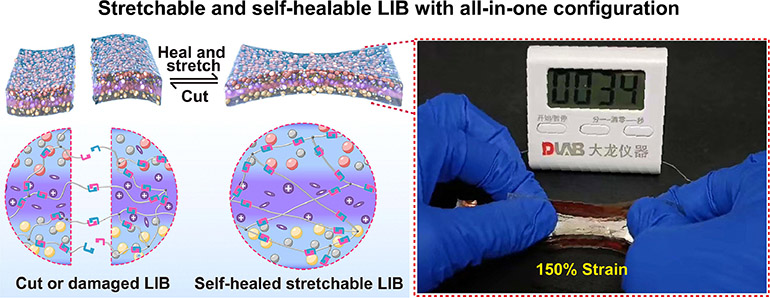
Stretchable lithium-ion batteries (LIBs) have emerged as a promising solution for powering wearable and flexible electronic devices, including electronic skin, soft robotics, and wearable smartphones. A new development in this field now offers a significant improvement: self-healing stretchable LIBs, which not only extend the lifespan of the battery but also enhance its reliability.

In a groundbreaking study published in the KeAi Journal of Supramolecular Materials, researchers from Jilin University in China have unveiled an innovative approach to fabricating stretchable and self-healing LIBs in an all-in-one configuration. This new strategy could revolutionize the design and performance of batteries for flexible electronics.

Continue reading… “Breakthrough in Stretchable Lithium-Ion Batteries: A Self-Healing Power Source for Wearable Electronics”

Revolutionary Carbon-14 Diamond Battery Promises Thousands of Years of Sustainable Power

In a groundbreaking development, scientists from the University of Bristol and the UK Atomic Energy Authority (UKAEA) have unveiled the world’s first carbon-14 diamond battery. This innovative energy source holds the potential to power devices for millennia, providing a sustainable and highly efficient solution for a wide range of applications.

The carbon-14 diamond battery harnesses the radioactive decay of carbon-14, a naturally occurring isotope commonly used in radiocarbon dating. This isotope emits short-range radiation, which is captured by a diamond casing—a material known for its strength and durability. The radiation is safely absorbed by the diamond structure, which generates electricity in a process similar to how solar panels convert light into power. However, instead of relying on sunlight, the diamond battery generates energy through fast-moving electrons produced by radioactive decay.

Continue reading… “Revolutionary Carbon-14 Diamond Battery Promises Thousands of Years of Sustainable Power”