Introducing Power Mole: The Innovative Solution for Outdoor Device Power

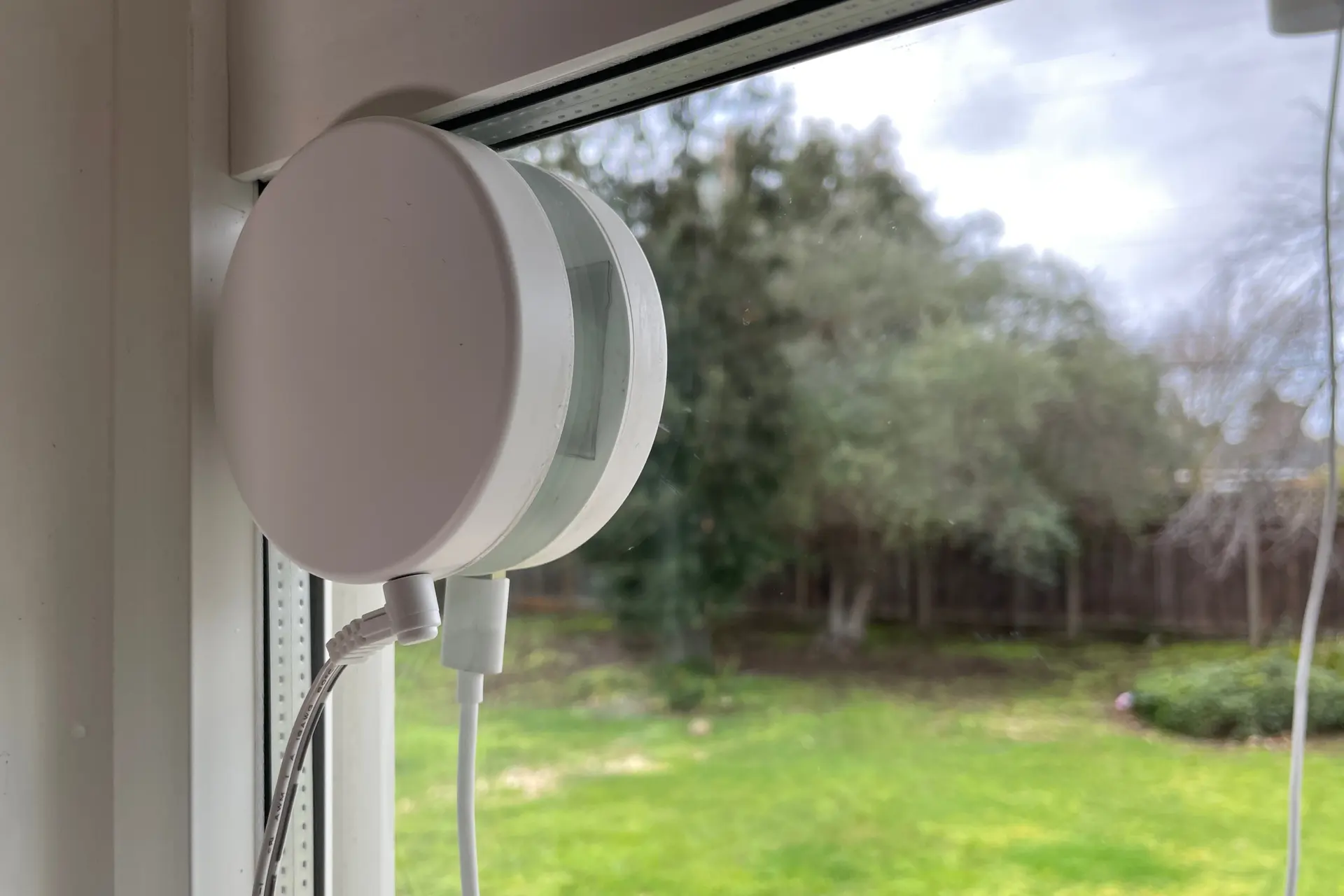
California-based inventor Peter Bevelacqua has launched a Kickstarter campaign for his latest creation, the Power Mole, designed to provide power to outdoor devices such as security cameras and decorative lights when outdoor outlets are unavailable.

The Power Mole comprises two puck-shaped components: the transmitter, affixed to the interior surface of a window pane, and the receiver, mounted on the exterior surface. The transmitter is connected to an indoor household outlet, while the receiver is USB hard-wired to the outdoor device. As an alternating electric current passes through the transmitter’s induction coil, it generates a fluctuating magnetic field that penetrates up to 30 mm of glass, inducing an alternating electric current in the receiver’s coil. A built-in rectifier then converts this AC current to DC, effectively powering the connected device.

Continue reading… “Introducing Power Mole: The Innovative Solution for Outdoor Device Power”
The Dawn of the Reverse Microwave: Revolutionizing Kitchen Cooling

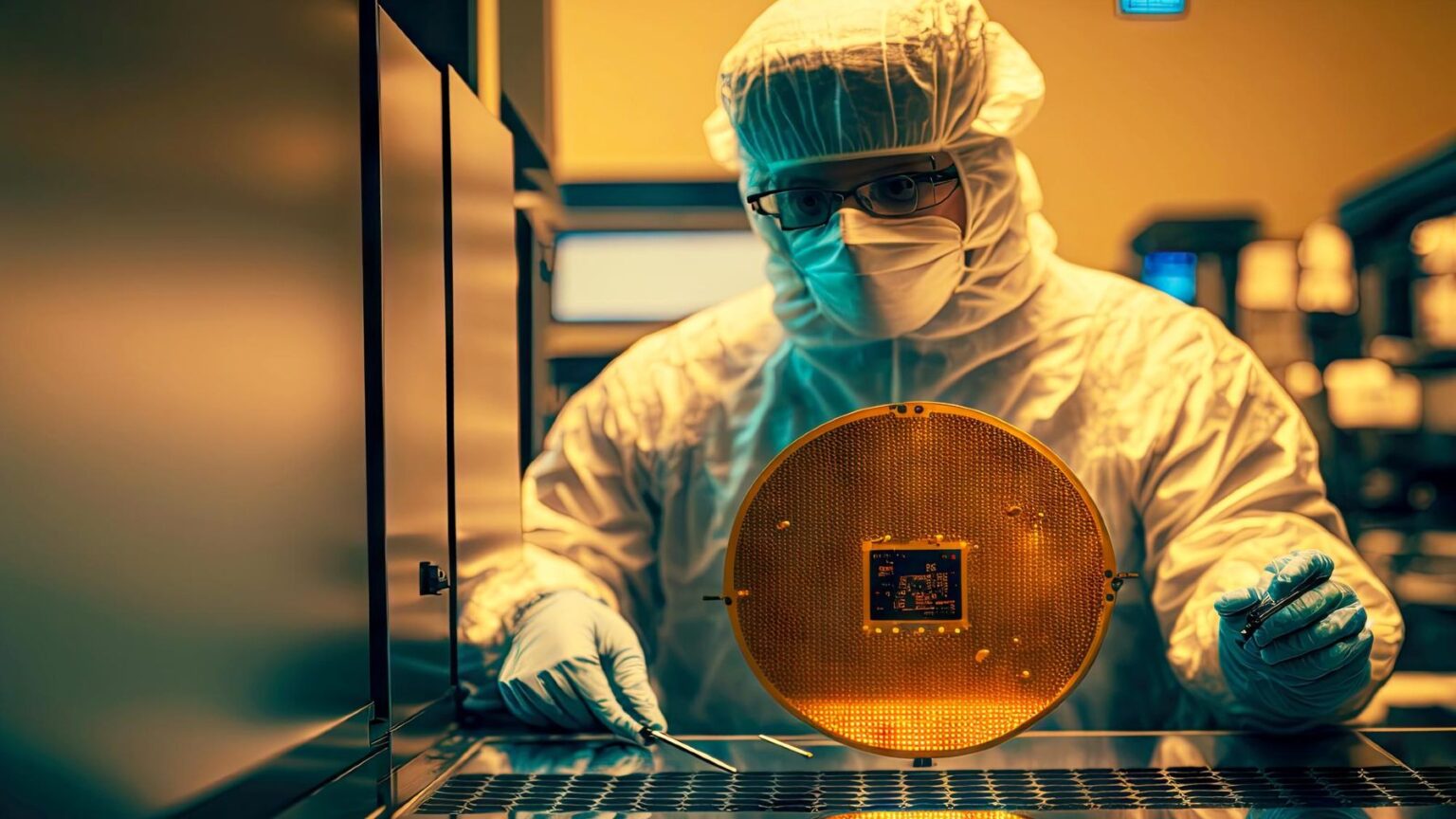
Home automation and smart robots have transformed our kitchens, but a crucial element was missing until now: a reverse microwave to cool food instead of heating it. This groundbreaking invention, operational without electricity and emission-free, promises to revolutionize kitchen dynamics.

The absence of a reverse microwave until now can be attributed to the fundamental principles of thermal dynamics. Unlike heat, which can be readily added to objects through various methods, achieving “coolness” requires the removal of heat, dissipating it into the surroundings. The lack of a viable, electricity-free technique for rapid household cooling posed a significant challenge, with existing solutions being either small-scale projects or energy-intensive.

Continue reading… “The Dawn of the Reverse Microwave: Revolutionizing Kitchen Cooling”

Peering Through Walls: Advancements in RF-based Human Activity Monitoring

Machine vision, propelled by artificial intelligence (AI), has revolutionized our ability to interpret images, facilitating tasks ranging from autonomous driving to medical diagnostics. Now, researchers are pushing the boundaries of perception further by harnessing machine learning to observe human activity through walls using low-power radio frequency (RF) signals.

This innovative approach, spearheaded by scientists at institutions like Massachusetts Institute of Technology (MIT) and Washington University in St. Louis, offers a glimpse into unseen realms, enabling insights into daily activities without invasive monitoring devices or cameras.

Continue reading… “Peering Through Walls: Advancements in RF-based Human Activity Monitoring”

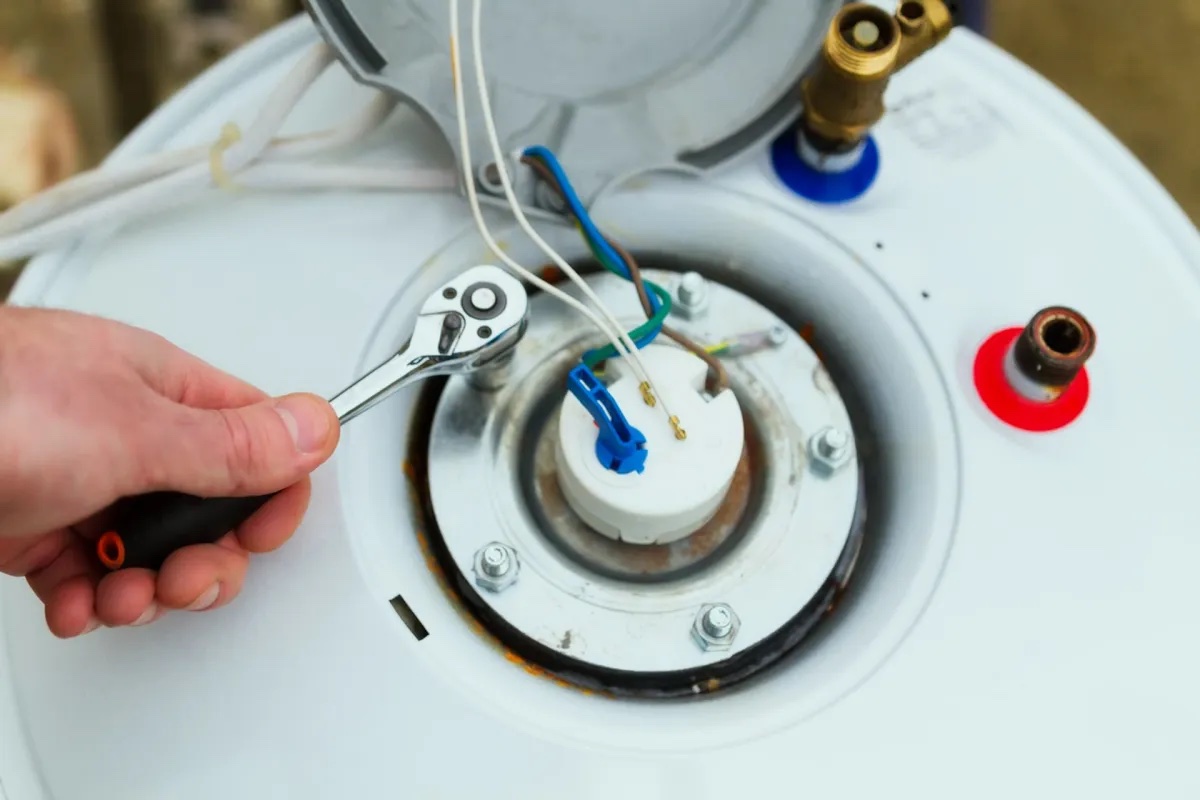
Maximizing Efficiency and Savings with Hot Water Circulation Pumps

If you’ve ever found yourself impatiently waiting for hot water to reach your faucet, you’re not alone. Beyond the frustration of wasted time, a recent report from the U.S. Department of Energy highlights the significant water wastage occurring in countless American households each year due to this common issue. However, the solution lies in a simple yet effective technology: the hot water circulation pump.

What exactly is a hot water circulation pump, and how does it work? Essentially, it’s a system that connects to your water heater and plumbing infrastructure. Typically, it includes a sensor positioned at the furthest point from the water heater, monitoring the temperature within the hot water pipes. When this sensor detects a drop in temperature, indicating that the water has cooled, the pump activates. Instead of letting the cooled water flow down the drain, it redirects it back to the water heater through either the cold water pipes or a dedicated return pipe. This continuous circulation ensures that hot water is readily available at all taps, eliminating the need to wait for it to heat up.

Continue reading… “Maximizing Efficiency and Savings with Hot Water Circulation Pumps”

Unveiling the Potential: Nobel Laureate’s Discovery Opens New Frontiers in Technology

Konstantin Novoselov, the Nobel laureate renowned for co-creating graphene, has once again made a groundbreaking discovery that could revolutionize numerous futuristic applications, ranging from smart contact lenses to rapid disease detection. Novoselov, along with a team of scientists, has unveiled unique properties within two unconventional compounds: rhenium diselenide and rhenium disulfide, known as ReSe2 and ReS2.

These compounds belong to the same family of 2D structures as graphene, renowned for being the thinnest, strongest, and most thermally conductive material known to humanity. However, ReSe2 and ReS2 possess distinct attributes, including the ability to manipulate light in novel ways, unlocking immense technological potential.

Continue reading… “Unveiling the Potential: Nobel Laureate’s Discovery Opens New Frontiers in Technology”

Honda Unveils Uni-One Electric Mobility Solution at SXSW 2024

Since at least 2009, Honda has been pioneering electric mobility solutions with its innovative uniwheel designs. From the Uni-Cub ß showcased at the 2013 Tokyo Motor Show to the latest Uni-One introduced last year in Japan, Honda continues to push the boundaries of personal mobility.

Now, the Uni-One is making its highly anticipated debut in the United States at SXSW in Austin, Texas, from March 10 as part of the Honda XR Mobility Experience. Hirokazu Hara from Honda expresses excitement about combining physical mobility with immersive digital entertainment, creating a unique multimodal experience that elevates extended reality technologies.

Continue reading… “Honda Unveils Uni-One Electric Mobility Solution at SXSW 2024”

Pioneering Experiment Measures Weak Gravitational Pull on Subatomic Scale

In a groundbreaking achievement, scientists have successfully measured the weak gravitational pull on a particle weighing just half the mass of a grain of sand. This remarkable feat, representing the most precise measurement of its kind, holds significant implications for delving into the quantum realm and potentially unraveling the mysteries of a Theory of Everything.

Gravity, one of the universe’s four fundamental forces, remains the least understood within the framework of the Standard Model of particle physics. Unlike other forces, such as electromagnetism, gravity’s behavior cannot be adequately explained by the existing model. A Theory of Everything, a long-sought-after goal in the scientific community, would require incorporating gravity at the quantum level.

Continue reading… “Pioneering Experiment Measures Weak Gravitational Pull on Subatomic Scale”

Gene-Edited Chickens Show Promise in Developing Resistance to Bird Flu

Researchers have successfully gene-edited chickens to enhance their resistance to bird flu, presenting a potential strategy for safeguarding poultry flocks against future outbreaks. Amid a severe avian flu outbreak since 2021, scientists at the University of Edinburgh explored the use of CRISPR technology to modify genes in chicken cells, specifically targeting the ANP32A protein used by all subtypes of the bird flu virus for replication.

The researchers altered two amino acids in ANP32A, preventing the virus from replicating in the edited chicken cells. Embryos were then gene-edited, resulting in ten chickens with the modified form of ANP32A. When exposed to the H9N2 subtype of bird flu, known for causing milder illness than H5N1, only one gene-edited chicken out of ten became infected, compared to all non-edited chickens.

Continue reading… “Gene-Edited Chickens Show Promise in Developing Resistance to Bird Flu”

Quantum Leap in Gravitational Measurement: Physicists Record Smallest Gravity Ever

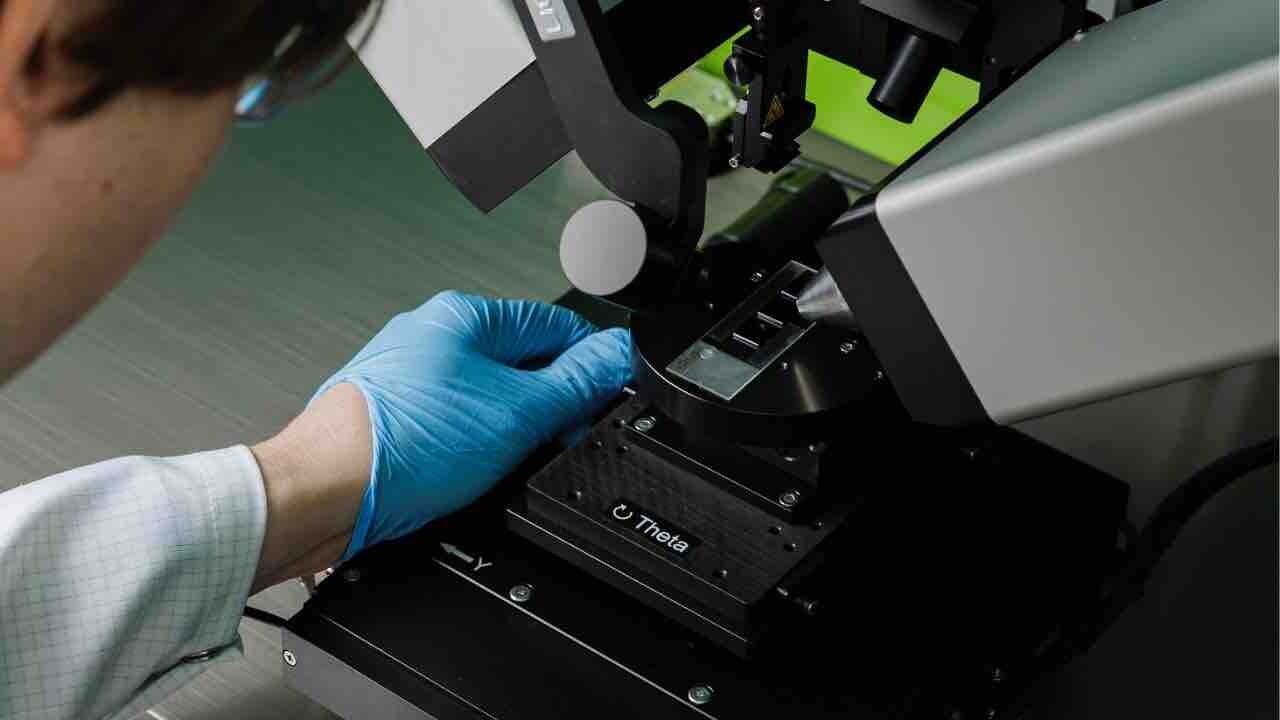
Physicists have achieved a groundbreaking feat by measuring the smallest gravitational pull ever recorded, using a minuscule particle suspended in a magnetic trap. Led by physicist Tim Fuchs from Leiden University and the University of Southampton, the team successfully measured gravitational signals at an unprecedented scale, approaching the quantum realm. This achievement holds the promise of shedding light on the intricate interplay between classical physics and quantum mechanics that has perplexed scientists for a century.

The challenge lies in reconciling the disparities between classical physics, primarily governed by gravity, and the quantum mechanics that dominates at atomic and subatomic scales. While each framework explains different scales effectively, a unified understanding is yet to be realized. To tackle this dilemma, the researchers employed a superconducting magnetic trap—a tantalum chamber cooled to a critical temperature of 4.48 Kelvin.

Continue reading… “Quantum Leap in Gravitational Measurement: Physicists Record Smallest Gravity Ever”

Micro-Bots Inspired by Nature: Fast and Lightweight Actuators Revolutionize Insect-Like Robotics

In the realm of robotics, designing insect-like bots has been a formidable challenge due to their small size. These miniature robots hold potential applications in environmental pollination, search and rescue missions, and beyond. Drawing inspiration from nature, researchers at Washington State University recently unveiled remarkable progress in this field at the IEEE Robotics and Automation Society’s International Conference on Intelligent Robots and Systems.

Presenting two groundbreaking creations—a mini-bug weighing a mere eight milligrams and a water strider tipping the scales at 55 milligrams—the researchers showcased robots that can move at an impressive six millimeters per second. While this speed might seem modest, it marks a significant milestone and positions these robots as some of the fastest of their kind.

Continue reading… “Micro-Bots Inspired by Nature: Fast and Lightweight Actuators Revolutionize Insect-Like Robotics”

Revolutionizing Data Storage: Three-Dimensional Optical Disc with Unprecedented Capacity

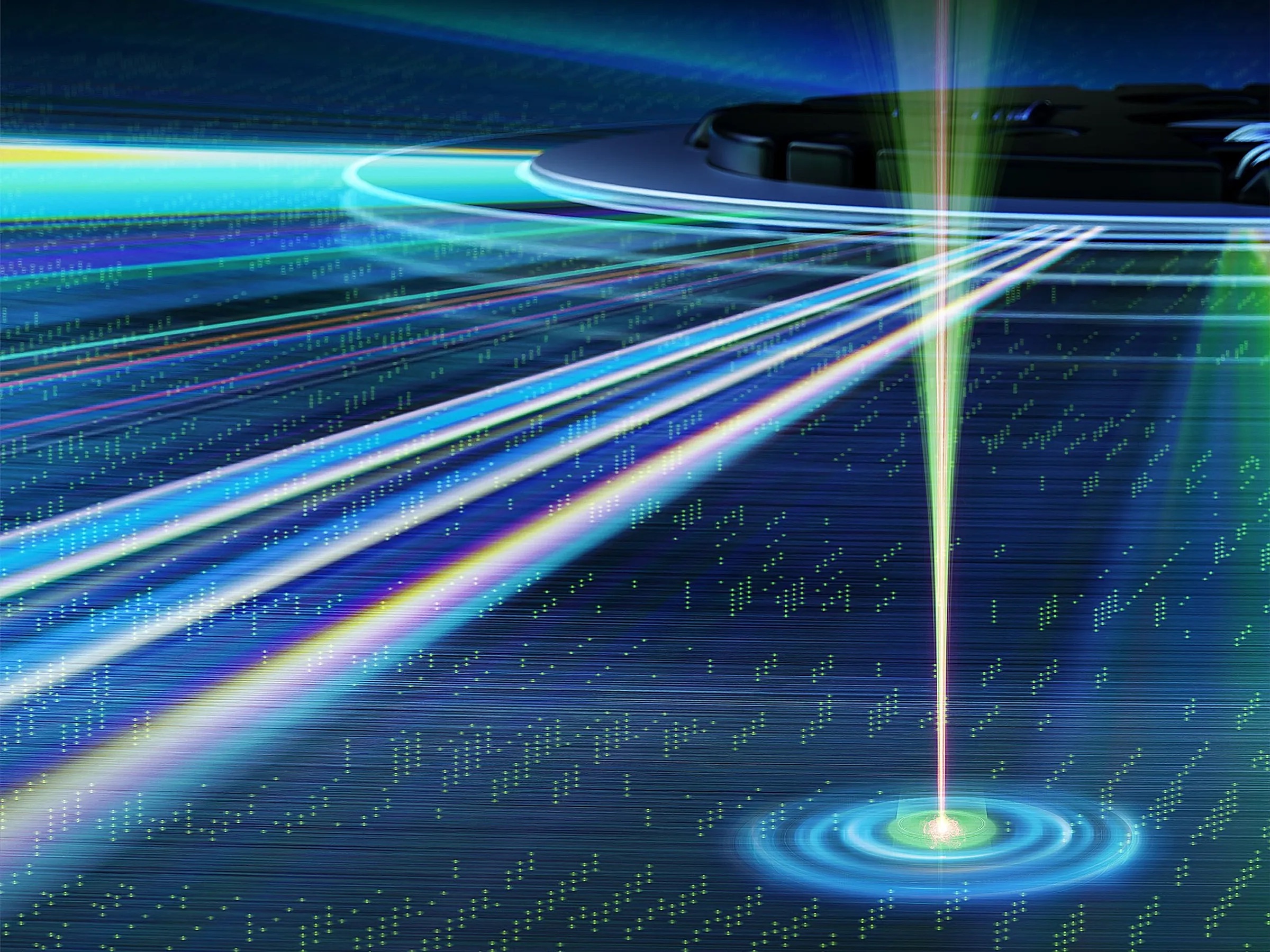
A groundbreaking study from Chinese scientists reveals a revolutionary optical disc, the size of a DVD, capable of storing over 1 million gigabits, transcending the limitations of traditional two-dimensional data storage. The innovation involves encoding data in three dimensions on 100 layers of optical discs, setting a new standard for data density.

Traditional optical discs, such as CDs and DVDs, encode data using microscopic pits representing binary code. Prior attempts to increase their capacity involved multiple layers, but the size limitations of optics hindered progress. The Chinese researchers overcame this challenge by developing a disc with 100 layers, utilizing spots as small as 54 nanometers, a significant advancement over the wavelengths of visible light.

Continue reading… “Revolutionizing Data Storage: Three-Dimensional Optical Disc with Unprecedented Capacity”

Doly: Your AI Desk Companion Redefining Human-Technology Interaction

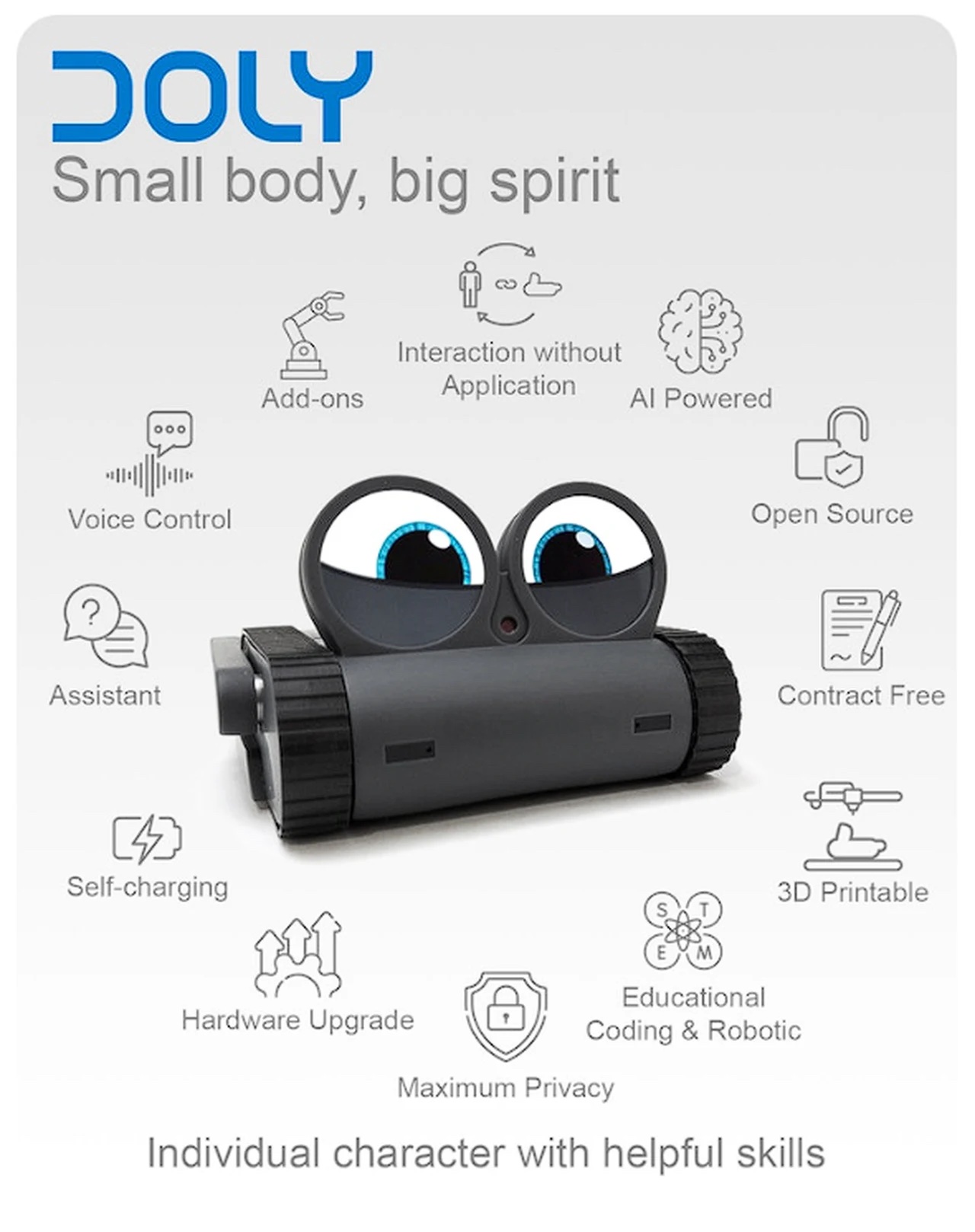
Meet Doly, an innovative AI-powered desktop robot poised to redefine the way we engage with technology. This compact yet sophisticated companion leverages the robust Raspberry Pi platform, showcasing the impressive capabilities of open-source hardware and software. Doly is not just a gadget; it’s a dynamic entity designed to connect with you on a personal level, learning from your interactions to assist with daily tasks and serve as a valuable resource for STEM education.

Imagine a companion that not only aids you but also evolves with you. Doly is more than a mere gadget; it’s a being with a developing personality. With advanced voice recognition utilizing Natural Language Understanding, Doly can follow your spoken instructions, display a range of emotions, and customize its behavior based on your preferences. From reminding you of important events to playing your favorite tunes and keeping you updated on the weather, Doly can do it all without you lifting a finger.

Continue reading… “Doly: Your AI Desk Companion Redefining Human-Technology Interaction”