
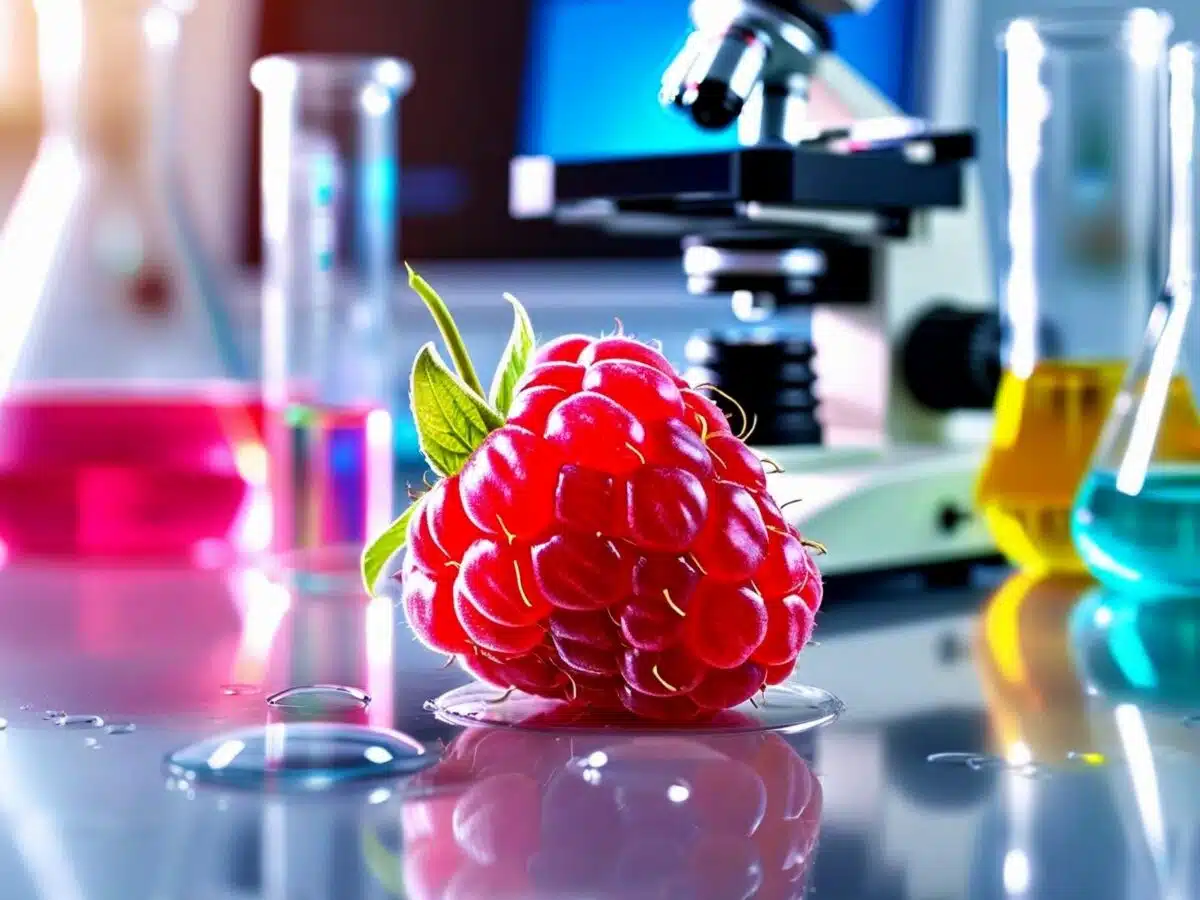
What if the future of agriculture isn’t about genetic modification as we know it, but about rewriting nature with surgical precision—without leaving any foreign DNA behind? That’s the promise emerging from Cranfield University in England, where researchers have just achieved the world’s first DNA-free gene edits in raspberry plants using CRISPR technology. This breakthrough could mark the beginning of a new agricultural era where crops are enhanced for taste, shelf life, and resilience, all while sidestepping the heavy regulatory baggage that has slowed the acceptance of genetically modified organisms.
Continue reading… “Rethinking the Raspberry: DNA-Free Gene Editing Opens a New Chapter in Precision Agriculture”DNA-Wrapped Nanoparticles Triple CRISPR’s Power—and Open the Door to a New Era of Genetic Medicine
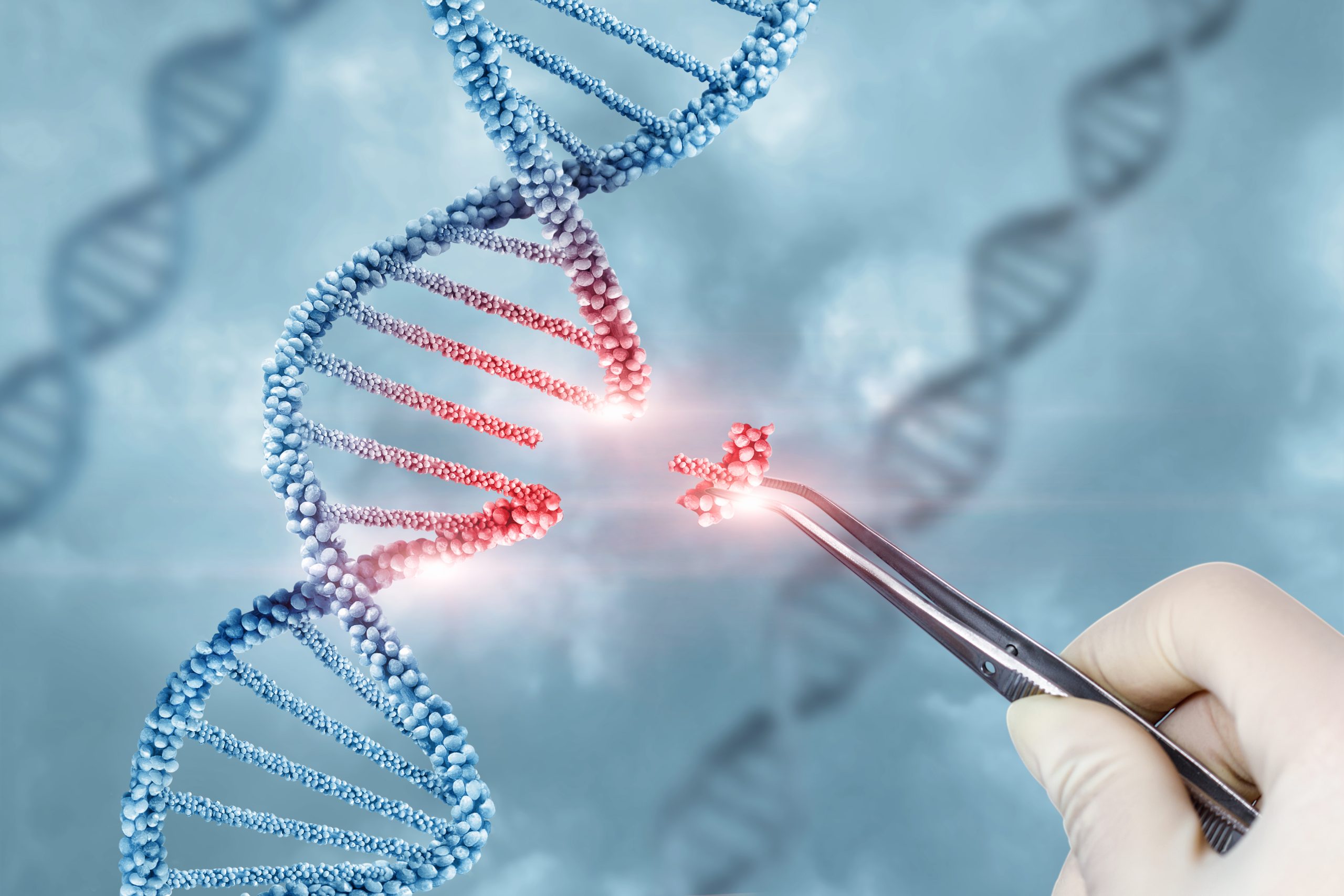
CRISPR has been hailed as the most revolutionary tool in modern medicine—a molecular scalpel capable of rewriting the code of life itself. But despite its breathtaking promise, the technology has been hobbled by one stubborn obstacle: delivery. Getting CRISPR machinery into the right cells, in the right tissues, at the right time has often been more of an art than a science, with inefficiencies and risks that have slowed its path from the lab to the clinic.
Now researchers at Northwestern University have unveiled a breakthrough that could tip the balance. By wrapping CRISPR inside spherical nucleic acids (SNAs) built from strands of DNA, the team has created a delivery vehicle that triples efficiency, dramatically reduces toxicity, and expands the range of cells that can be edited. These tiny, DNA-coated nanoparticles—known as LNP-SNAs—are rewriting the rules of genetic medicine.
Continue reading… “DNA-Wrapped Nanoparticles Triple CRISPR’s Power—and Open the Door to a New Era of Genetic Medicine”The Dawn of Living Computers: How Bacteria Could Outthink Silicon
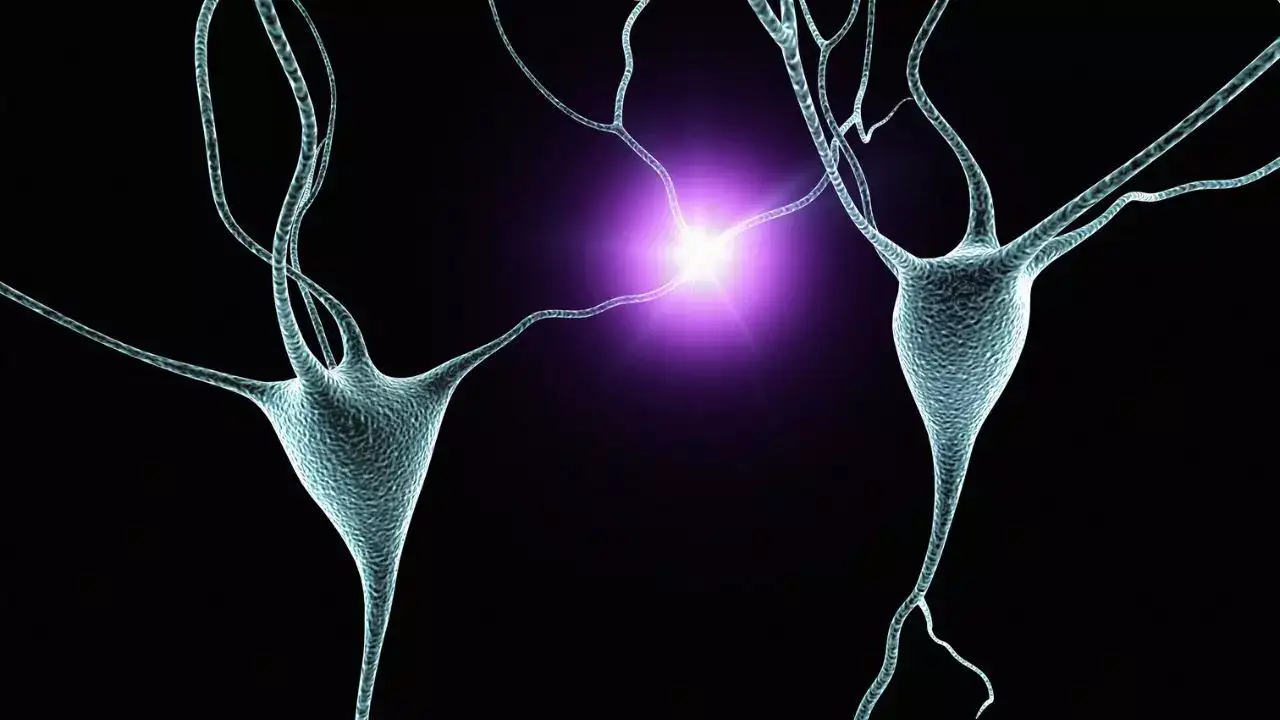
For nearly a century, our digital world has been built on silicon—chips, transistors, and circuits etched into wafers that power smartphones, satellites, and supercomputers. But as artificial intelligence pushes computation to its physical and energy limits, scientists are daring to imagine something radically different: computers made not of metal, but of life itself.
At Rice University in Texas, researchers are pioneering a bold new field called biocomputing, with bacterial cells as the foundation. Funded by a $1.99 million National Science Foundation grant, their project treats each bacterial cell as a tiny processor. Microbes are natural information handlers. They sense, respond, and adapt to their environments in ways that resemble computational logic. The question now is whether they can be linked into vast biological networks that think, learn, and evolve.
Continue reading… “The Dawn of Living Computers: How Bacteria Could Outthink Silicon”The Rise of the Touchless Massage: When AI Becomes Your Masseuse

There was a time when massages were the most human of services—hands on skin, intuition guiding pressure, and trust built between therapist and client. Now, even that deeply personal experience is being rewritten by artificial intelligence. At the W Scottsdale’s AWAY Spa, a New York startup called Aescape has introduced Arizona’s first AI-powered robotic massage table, and with it, a glimpse into the future of wellness.
The system doesn’t look like the stereotypical humanoid robot. Instead, overhead sensors scan your body, gathering over a million data points to map posture, tension, and muscle contours. Two robotic arms then adjust in real time to deliver a personalized massage. Pressure, music, and focus areas can be modified on the fly using a tablet positioned beneath the face cradle. In other words, the robot isn’t just repeating pre-programmed motions—it’s learning.
Continue reading… “The Rise of the Touchless Massage: When AI Becomes Your Masseuse”The Birth of Synthetic Motherhood: China’s Race to Build the First Pregnancy Robot
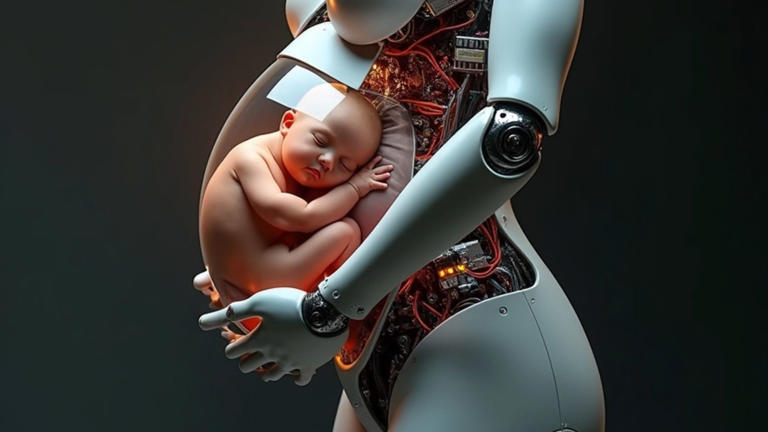
For centuries, the act of carrying and delivering life has been bound to the biology of women. Now, that fundamental truth is being challenged by a vision straight out of science fiction: a humanoid robot with an artificial womb, designed to carry a child from conception to delivery.
Continue reading… “The Birth of Synthetic Motherhood: China’s Race to Build the First Pregnancy Robot”3D-Printed Auxetic Sensors: Redefining Touch for Wearables, Robotics, and Healthcare
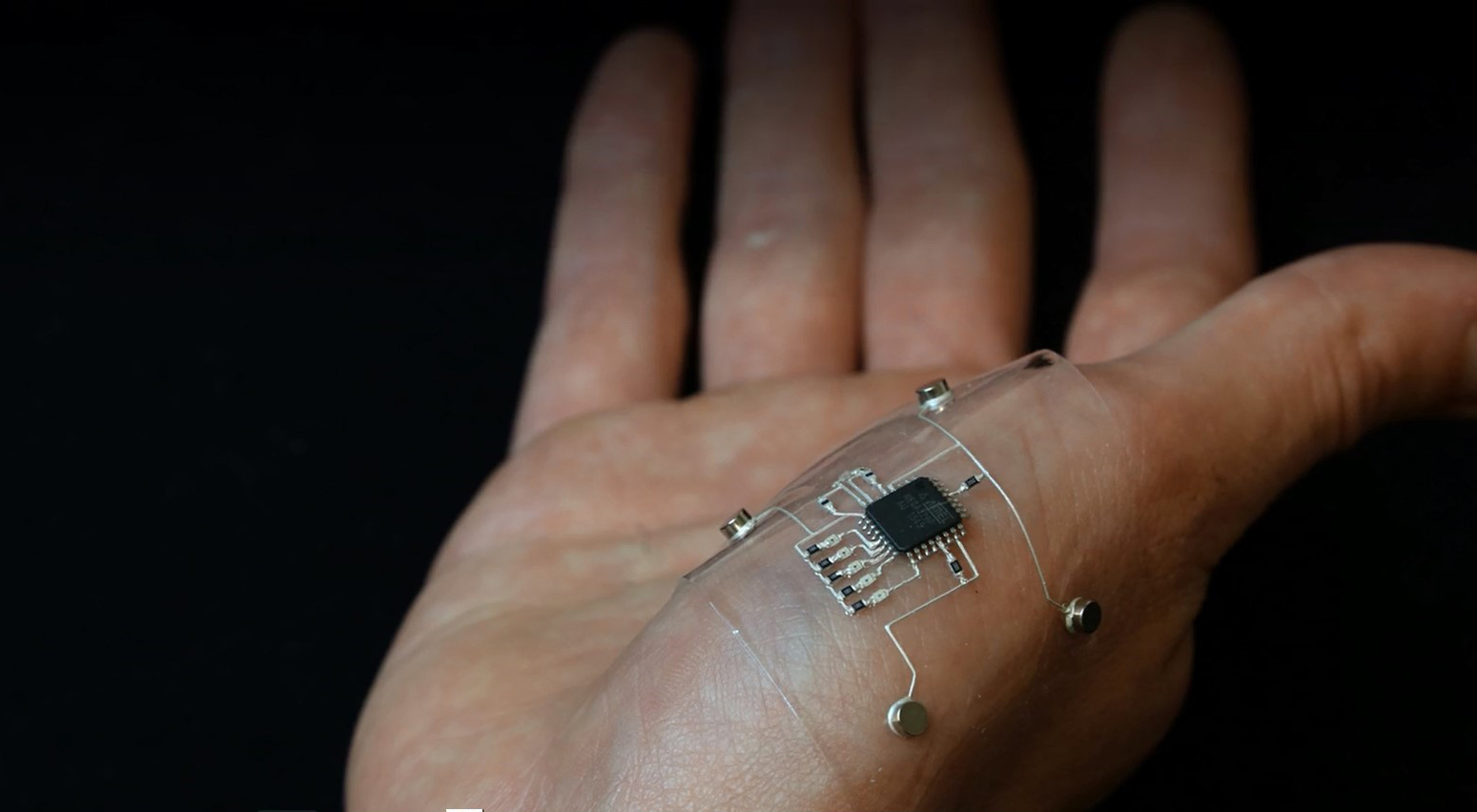
The future of sensing technology may not lie in better electronics, but in stranger geometry. Auxetic metamaterials—structures that do the opposite of what we expect when squeezed—are now stepping into the spotlight. Instead of bulging outward when compressed, they contract inward, concentrating strain in ways nature almost never does. For decades, this quirk of physics was a lab curiosity. Now, thanks to 3D printing, auxetic designs are powering a new class of tactile sensors with applications in robotics, healthcare, and wearable technology.
Continue reading… “3D-Printed Auxetic Sensors: Redefining Touch for Wearables, Robotics, and Healthcare”AI-Assisted Robotic Surgery: Redefining the Operating Room
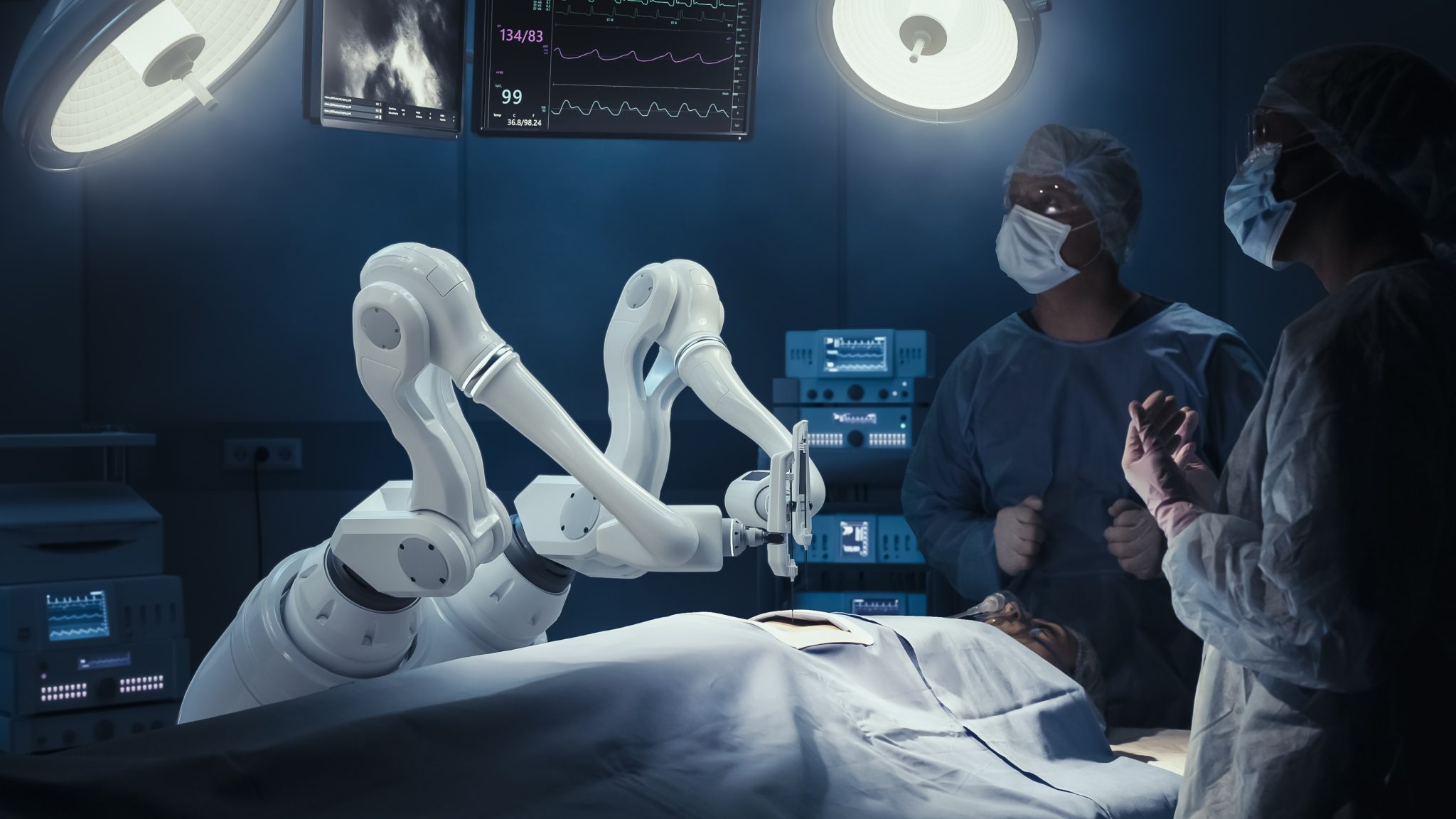
The operating room has long been the stage for human skill, steady hands, and judgment honed over decades. But a new player is stepping into this sacred space—artificial intelligence fused with robotics—and it’s proving to be faster, safer, and more precise than anything we’ve seen before. A sweeping review of 25 studies conducted between 2024 and 2025 has found that AI-assisted robotic surgery can cut complications by up to 30%, shorten recovery times, and even reduce hospital costs. In short, the surgical revolution is here, and the scalpel may soon share equal billing with the algorithm.
Continue reading… “AI-Assisted Robotic Surgery: Redefining the Operating Room”The First Personalized Spine Implant: 3D Printing Ushers in a New Era of Surgery

For decades, spinal surgery has walked a fine line between miracle and compromise. Surgeons could remove damaged discs, stabilize fragile vertebrae, and restore mobility—but always with standardized implants designed to fit “most people.” Patients were asked to adapt their unique anatomy to mass-produced devices, often at the cost of mobility, comfort, or repeat procedures. Now, that compromise may be over. In July 2025, UC San Diego Health achieved a milestone that signals the dawn of a new era: the world’s first cervical spine surgery with a fully personalized 3D-printed titanium implant.
Continue reading… “The First Personalized Spine Implant: 3D Printing Ushers in a New Era of Surgery”Breathing the Future: The First Pig Lung Transplant Into a Human
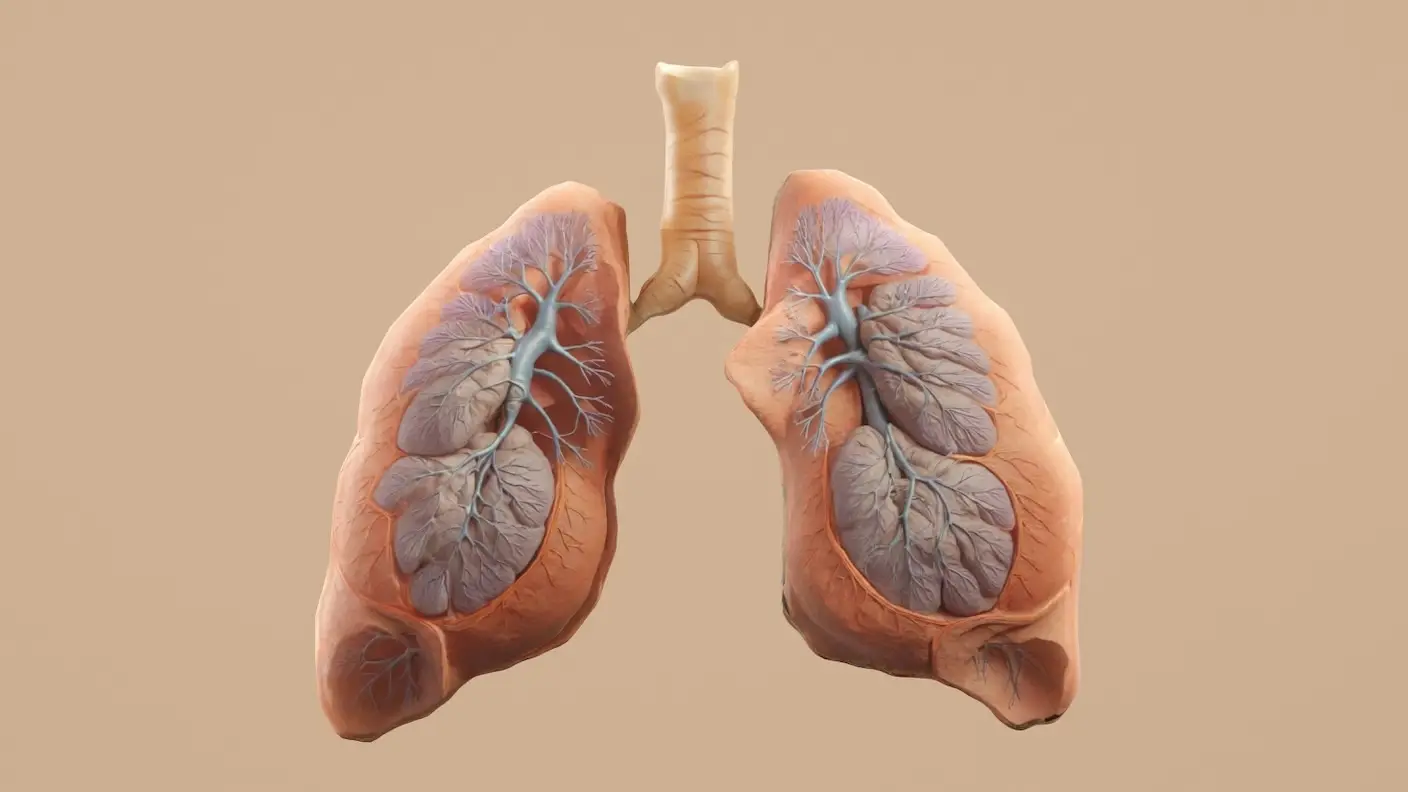
In medicine, some moments arrive that feel like science fiction made real. One of those moments just happened: scientists in China have transplanted a genetically engineered pig lung into a human body—and kept it alive for nine days. Reported in Nature Medicine, this milestone marks the first time a lung from another species has functioned inside a person, and while challenges remain, it signals a future where the global shortage of donor organs may no longer be a death sentence.
Continue reading… “Breathing the Future: The First Pig Lung Transplant Into a Human”The Day You Can “See” Stress With Your Smartphone

What if managing your stress was as simple as snapping a photo? For decades, cortisol—the body’s stress hormone—has been recognized as a central player in human health. It regulates blood pressure, metabolism, immune response, and even sleep cycles. When cortisol is out of balance, the ripple effects touch everything from heart disease to depression. Yet measuring it has always been a cumbersome process, trapped in the world of labs and clinical visits. Now, thanks to a breakthrough in protein design and smartphone integration, that barrier is about to fall.
Continue reading… “The Day You Can “See” Stress With Your Smartphone”The End of Chemo and Radiation? Stem Cell Transplants Enter a New Era

For decades, the road to a stem cell transplant has been paved with toxic compromise. Patients in need of lifesaving transplants have had to endure high-dose chemotherapy or radiation to clear out diseased bone marrow, trading one set of devastating risks for the hope of recovery. The harsh reality: many patients were too fragile to survive the very treatments meant to prepare them for healing. But a breakthrough at Stanford Medicine may mark the beginning of the end for this era. With an antibody-based approach, scientists are showing that stem cell transplants can be performed without toxic chemotherapy or radiation, opening doors to safer and more widely accessible cures.
Continue reading… “The End of Chemo and Radiation? Stem Cell Transplants Enter a New Era”The Rise of Wearable Robot Jackets: Reimagining Human Movement
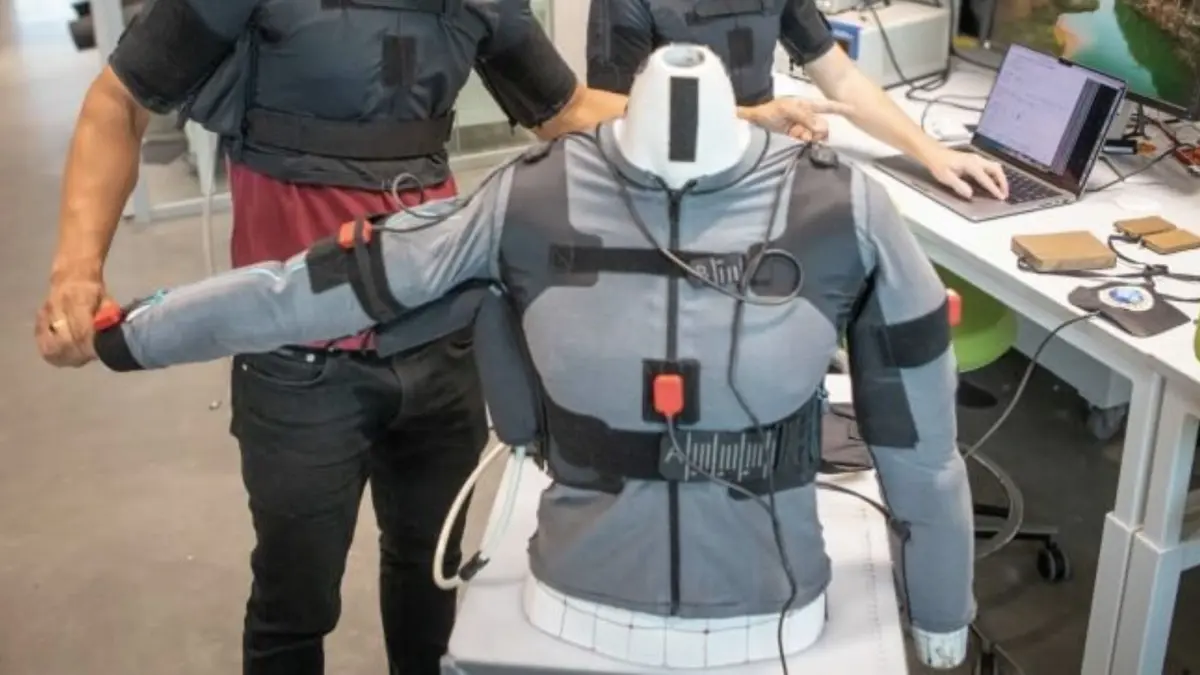
For centuries, humans have turned to tools, braces, and therapy to restore movement after injury or disease. But what if the next stage of mobility isn’t about therapy or external devices, but about slipping into a soft robotic jacket that learns your movements, adapts to your needs, and becomes a seamless extension of your body? That future is no longer science fiction. It is being stitched, wired, and programmed in research labs right now.
Continue reading… “The Rise of Wearable Robot Jackets: Reimagining Human Movement”