The factories of the future could float in space

Space factory 2

This past summer, a plane went into a stomach-churning ascent and plunge 30,000 feet over the Gulf of Mexico. The goal was not thrill-seeking, but something more genuinely daring: for about 25 seconds at a time, the parabolic flight lifted the occupants into a state of simulated weightlessness, allowing a high-tech printer to spit out cardiac stem cells into a two-chambered, simplified structure of an infant’s heart.

Continue reading… “The factories of the future could float in space”

Vinod Khosla predicts AI will replace human oncologists

a

While much of the conversation around AI and jobs is focused on widespread job losses in sectors like trucking, venture capitalist and Sun Microsystems cofounder Vinod Khosla thinks that there’s a high-paying job on the chopping block: oncology.

Continue reading… “Vinod Khosla predicts AI will replace human oncologists”

Man vs. machine – predicting the year when machines win

Man vs Machine 1

Don’t expect to see a human behind the wheel of an 18-wheeler after 2027. Or a set of human hands performing a delicate surgery after 2053.

According to a new study from Oxford and Yale University researchers, those are the years artificial intelligence is slated to take over each of those tasks. And so it will go for millions of other jobs over the next 50 years, researchers find.

Continue reading… “Man vs. machine – predicting the year when machines win”

Facebook’s A.I. system that learned to lie to get what it wants

facebook-ai 1

We’re beginning to get a glimpse of some of the built-in limits to artificial intelligence.

Humans are natural negotiators. We arrange dozens of tiny little details throughout our day to produce a desired outcome: What time a meeting should start, when you can take time off work, or how many cookies you can take from the cookie jar.

Machines typically don’t share that affinity, but new research from Facebook’s AI research lab might offer a starting point to change that. The new system learned to negotiate from looking at each side of 5,808 human conversations, setting the groundwork for bots that could schedule meetings or get you the best deal online.

Continue reading… “Facebook’s A.I. system that learned to lie to get what it wants”

We’re running out of domain names—what happens when they’re all gone?

domain names 1g76f

The world is nearly out of good “.com” domain names—and even the fourth circuit of the United States Court of Appeals agrees.

As global internet usage rises, .com naming is going to get more and more complicated. Our languages only contain a finite number of meaningful words, so brand naming is becoming much more than coming up with a unique, snazzy moniker—it also involves knowledge of intellectual property rights, law, and a large of dash of luck.

Continue reading… “We’re running out of domain names—what happens when they’re all gone?”

Was the telecommuting craze a failed experiment?

IBM remote workers 8h3w

Remember the time Marissa Mayer banned telecommuting at Yahoo and started a media firestorm? Some thought she’d flipped her lid. Others said she’d made a grave mistake that would kill morale. Well, she hadn’t and it didn’t. That was one of the few things she did right in her ill-fated attempt to turn around the hapless internet portal.

While the former Googler didn’t intend to start a trend, she did. HP followed suit a few months later. Then came Best Buy, Bank of America, Aetna and others.

Last week, IBM gave thousands of virtual workers an ultimatum: either show up in the office, or go work somewhere else. Considering that Big Blue pioneered the “anytime, anywhere workforce” decades ago, that sort of closes the books on what has turned out to be yet another overhyped management fad.

Continue reading… “Was the telecommuting craze a failed experiment?”

Bio-sensing contacts can monitor for signs of disease

Bio contacts 1

Finger pricks, blood draws, and urine testing are miserable for just about everyone. But now researchers are working on a new concept to make testing for disease much easier. The project? A contact lens that would use the condition of the eyes to help spot illness.

Continue reading… “Bio-sensing contacts can monitor for signs of disease”

Too much data? It’s easier to ship it by truck

Shipping data d54s

In today’s world, a terabyte is a rather routine size of information. However, when we get to petabyte, we talking serious volumes of data.

Companies like DigitalGlobe are creating more petabytes than they can upload to the cloud. That’s why Jeff Bezos has a service for shipping huge amounts of data via traditional roadways.

Continue reading… “Too much data? It’s easier to ship it by truck”

7 laws that will have to change because of blockchain

Blockchain 6f5d

“Code is law,” as described in Lawrence Lessig’s book ‘Code and Other Laws of Cyberspace’, refers to the idea that computer code has progressively established itself as a predominant way to regulate behavior to the same degree as legal code.

With the advent of blockchain technology, code is assuming an even stronger role in regulating people’s interactions.

However, while computer code can enforce rules more efficiently than legal code, it also comes with a series of limitations.

Continue reading… “7 laws that will have to change because of blockchain”

Electric planes and $25 tickets could be the future of regional air travel

a

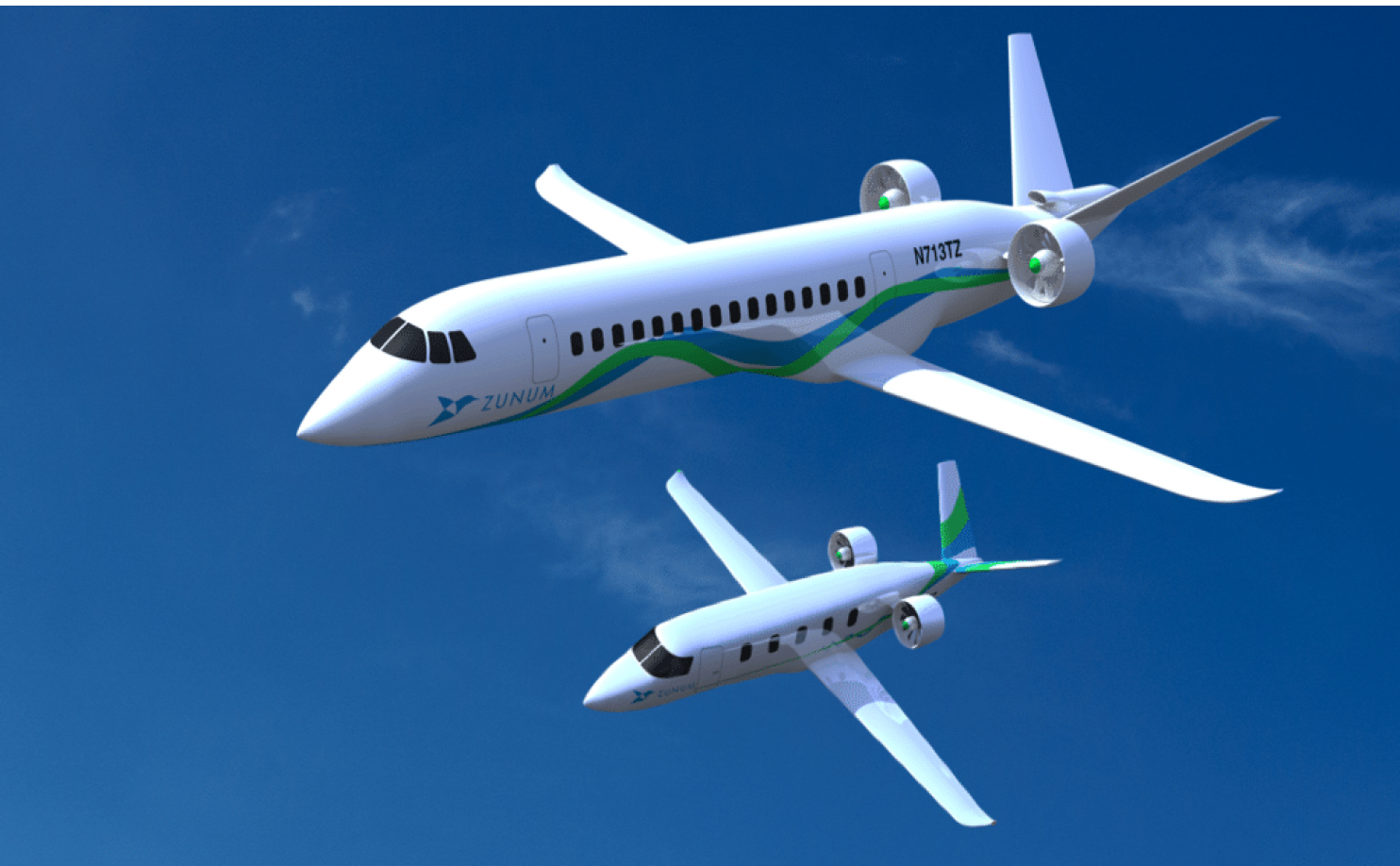
Imagine taking your next trip of a couple hundred miles. New York City to Boston, for example. Or Houston to Dallas. Tampa to Miami. The obvious choice now might be to drive. But what if you could show up at an airport at one of those cities, bypass security checkpoints, board a small hybrid-electric plane with luggage in hand, and be on the ground at your destination in about an hour — all for $25 each way?

Continue reading… “Electric planes and $25 tickets could be the future of regional air travel”

How long before we have self-healing smartphone screens?

cracked phone screen 8hf6

“When I was young, my idol was Wolverine from the X-Men…He could save the world, but only because he could heal himself,” researcher Chao Wang recently said in a press release from the American Chemical Society (ACS). Wang began working on a self-healing material that could stitch itself back together after damage, and came up with a game-changing polymer.

The key to the the material’s crucial new powers? Chemical bonds. Check out this video.

Continue reading… “How long before we have self-healing smartphone screens?”

Discover the Hidden Patterns of Tomorrow with Futurist Thomas Frey
Unlock Your Potential, Ignite Your Success.

By delving into the futuring techniques of Futurist Thomas Frey, you’ll embark on an enlightening journey.

Learn More about this exciting program.