The measure of: Aptera Motors’ solar electric vehicle

By Siobhan Doyle

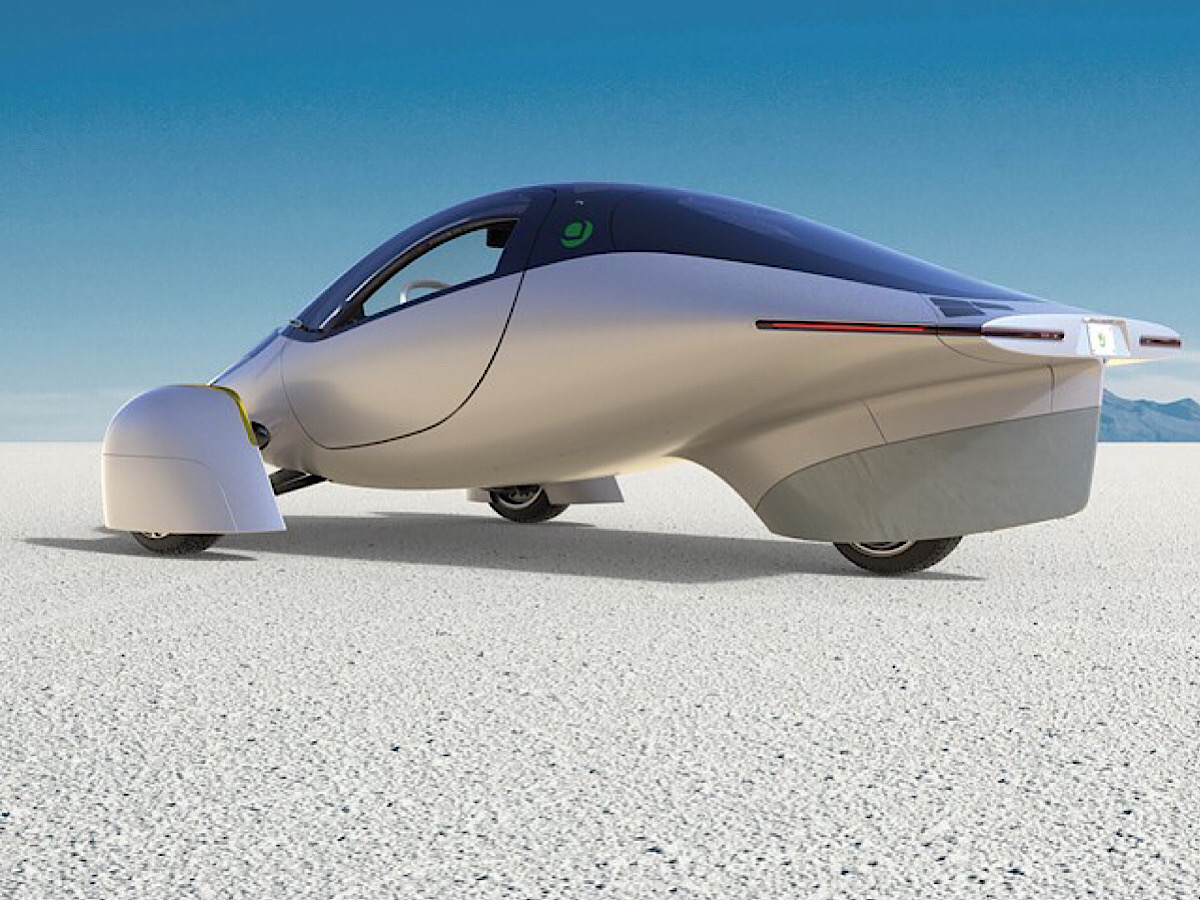
A San Diego-based motoring start-up has created a solar electric three-wheeled car that doesn’t require any charging.

Developed by Aptera Motors, the futuristic solar electric vehicle (sEV), which has an almost Jetsons flying-car-like aesthetic, features more than 3m2 of solar panels that are integrated into the body. This set-up allows the driver to travel up to 45 miles (72km) a day and up to 11,000 miles per year entirely on energy harnessed from the Sun “in most regions”, according to the company.

The car can also be plugged in like any other electric car and its fast-charging technology can offer a top model charge rate of up to 500 miles of range per hour.

“With Aptera’s ‘Never Charge’ technology, you are driven by the power of the Sun,” says co-founder Chris Anthony. “Our built-in solar array keeps your battery pack topped off and anywhere you want to go, you just go.”

Continue reading… “The measure of: Aptera Motors’ solar electric vehicle”
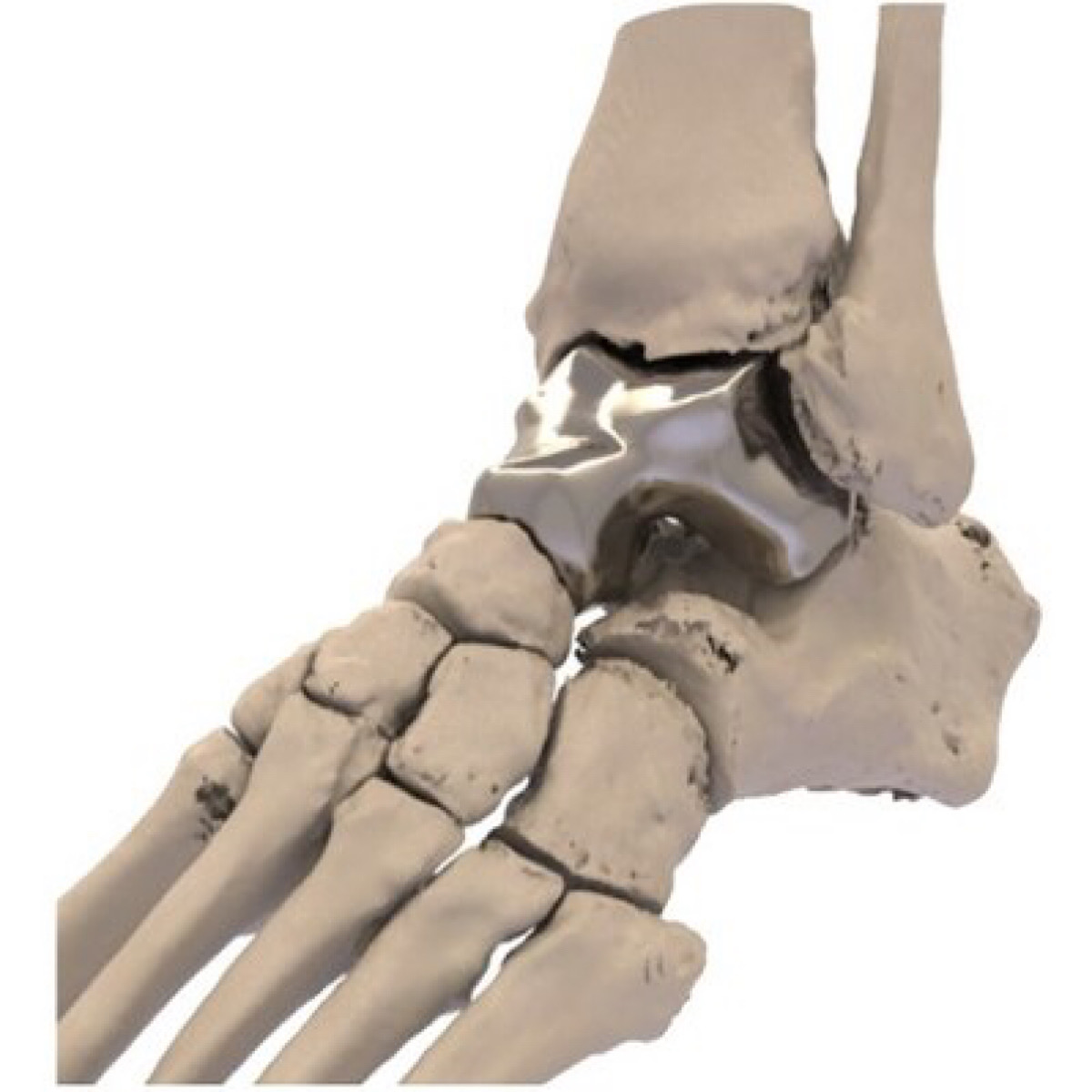
Additive Orthopaedics Gains FDA Approval for First 3D Printed Talus Implant

by Michael Molitch-Hou

The U.S. Food and Drug Administration (FDA) has announced the approval of a new 3D printed implant, the Patient Specific Talus Spacer from Additive Orthopaedics. The device is described by the FDA as “the first in the world and first-of-its-kind implant to replace the talus.”

The talus is the bone in the ankle that joins the leg and the foot. In particular, this world first could be used to treat avascular necrosis (AVN) of the ankle joint, in which bone tissue is destroyed by a lack of blood supply to the area. AVN is typically the result of an acute injury, such as a broken bone, or prolonged tissue damage. In joints, the cartilage that prevents bones from grinding against one another can degrade over time, resulting in arthritis and pain. In the case of the ankle, the talus may collapse and require the fusing of joints, which can reduce pain but makes movement of the joint impossible, or even amputation of the leg below the knee.

Now that there is a 3D printable implant to treat this problem, it may be used to replace other surgical interventions and spare the joint of people suffering from late-stage AVN. As the name suggests, the Patient Specific Talus Spacer is tailored to each patient based off of their computed tomography data. The damaged talus can then be replaced with a 3D printed, cobalt chromium replacement that perfectly fits the patient’s anatomy.

Continue reading… “Additive Orthopaedics Gains FDA Approval for First 3D Printed Talus Implant”

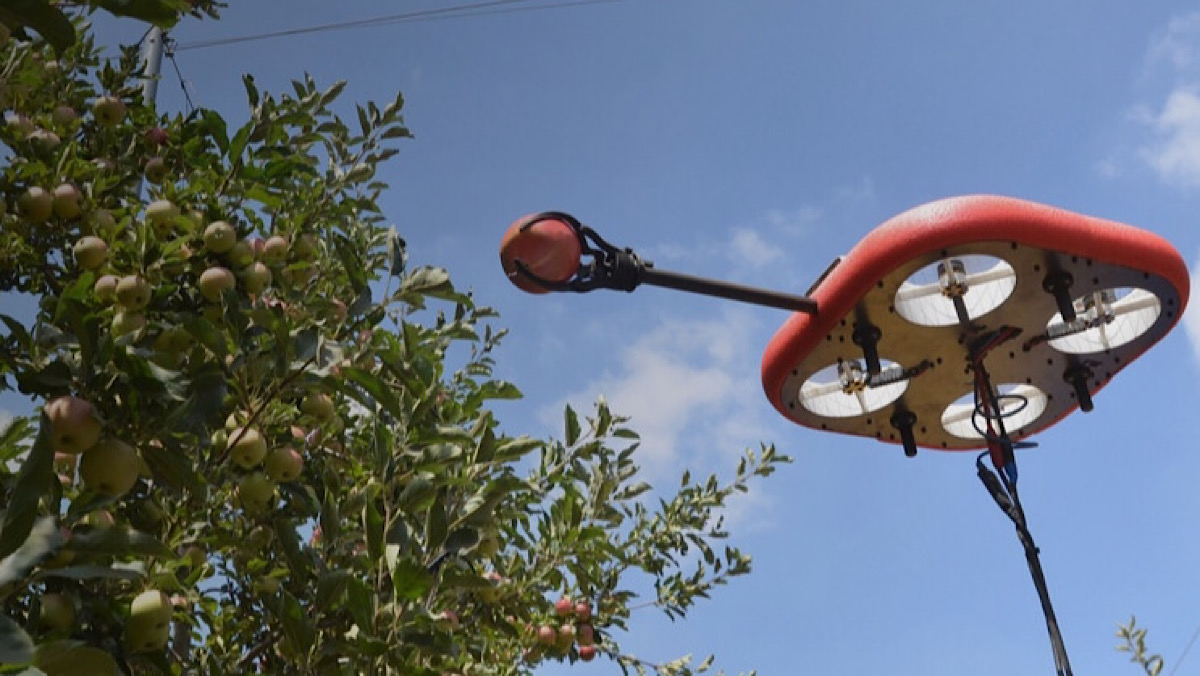
Flying Autonomous Robot Uses AI to Identify and Pick Ripe Fruit

The FAR robot in action

By  Derya Ozdemir   

Multiple robots can harvest an orchard thanks to a single autonomous digital brain in a ground-based unit.

Fruit picking is a physically laborious task that can require a lot of standing, crouching, and climbing for up to eight hours a day. While it may have its up moments, it is generally a low-paid, seasonal, and repetitive work that has few likelihoods for advancement, and as younger generations migrate to urban areas, the pickers are aging and a global shortage of seasonal fruit pickers is worsening.

COVID-19 pandemic has aggravated this situation due to the enforced travel restrictions preventing seasonal workers from crossing borders. In such times, robots that can harvest the crops are gaining traction.

Continue reading… “Flying Autonomous Robot Uses AI to Identify and Pick Ripe Fruit”

THE US MILITARY IS GETTING 3D PRINTING “FACTORIES” INSIDE SHIPPING CONTAINERS

THE 40-FOOT CONTAINERS WILL CONTAIN ALL OF THE EQUIPMENT TO SCAN, MODEL, AND MANUFACTURE PARTS OUT OF METALS, CERAMICS AND MORE.

Portable Factory

The United States Department of Defense just awarded a contract to additive manufacturing company ExOne to develop 3D printing mini-factories that could be deployed into the field during a military operation.

The factories are essentially complete 3D printing labs that can be housed entirely within a shipping container, according to Interesting Engineering. It’s an intriguing — though not unprecedented — idea that the Defense Department says will help improve military logistics and allow for parts and tools to be replaced as needed on the spot.

Continue reading… “THE US MILITARY IS GETTING 3D PRINTING “FACTORIES” INSIDE SHIPPING CONTAINERS”

S.Korea unveils inflatable isolation ward for COVID-19 patients

A woman passes the Mobile Clinic Module outside Korea Cancer Center Hospital in Seoul

By Sangmi Cha

SEOUL (Reuters) – South Korean researchers say they have designed an inflatable “negative pressure” ward for isolating and treating patients with infectious diseases like COVID-19, after the pandemic exposed shortages of such beds around the world.

The rooms use a ventilation system that creates negative pressure to allow air to flow into the isolation room and be channelled out safely, helping prevent the spread of airborne pathogens.

They have become a vital tool for fighting the coronavirus pandemic, but many countries have struggled to create them quickly enough.

The mobile clinic modules designed by a research team at the Korea Advanced Institute of Science and Technology (KAIST) are large greenhouse-like inflatable tents, which the institute said cost a fifth of the price of building a conventional hospital ward.

Nam Tek-jin, an industrial design professor who led the KAIST team, says their tents, which are the size of a basketball court, can be installed and equipped in less than a day.

Continue reading… “S.Korea unveils inflatable isolation ward for COVID-19 patients”

Robotic glove which uses AI to improve muscle grip could help millions

A prototype robotic glove for people who struggle with daily tasks

By Sean Morrison

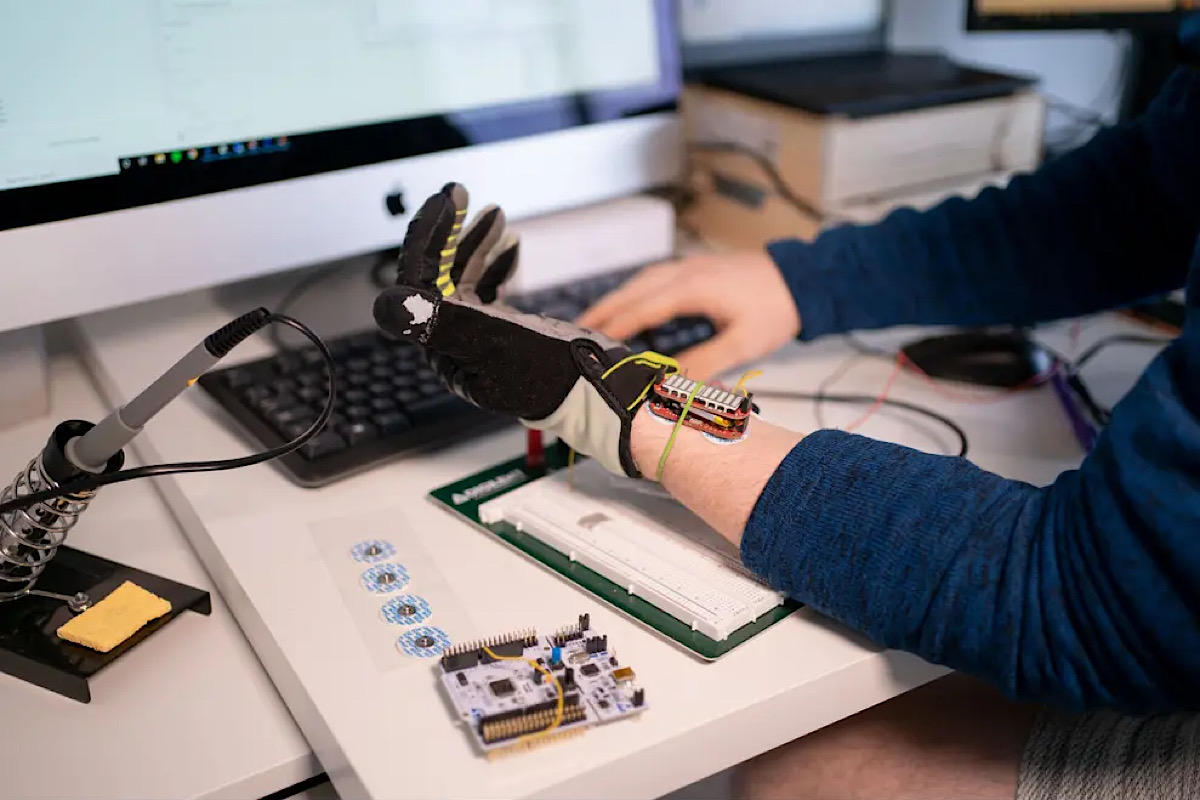
An engineering graduate hopes to aid millions of people after helping create a robotic glove which uses artificial intelligence to boost muscle grip.

Seeing his aunt’s struggles with daily tasks such as drinking water or changing TV channel after loss of movement caused by multiple sclerosis led Ross O’Hanlon, 24, to produce the device.

The glove detects the wearer’s intention to grip by using electromyography (EMG) to measure electrical activity in response to a nerve’s stimulation of the muscle.

It then employs an algorithm to convert the intention into force, helping the user to hold an item or apply the necessary pressure to complete an activity.

Continue reading… “Robotic glove which uses AI to improve muscle grip could help millions”

Scientists entered people’s dreams and got them ‘talking’

Researchers analyzed the brain signals and eye and facial movements of people engaged in lucid dreaming “conversations.” 

By Sofia Moutinho

Scientists entered people’s dreams and got them ‘talking’

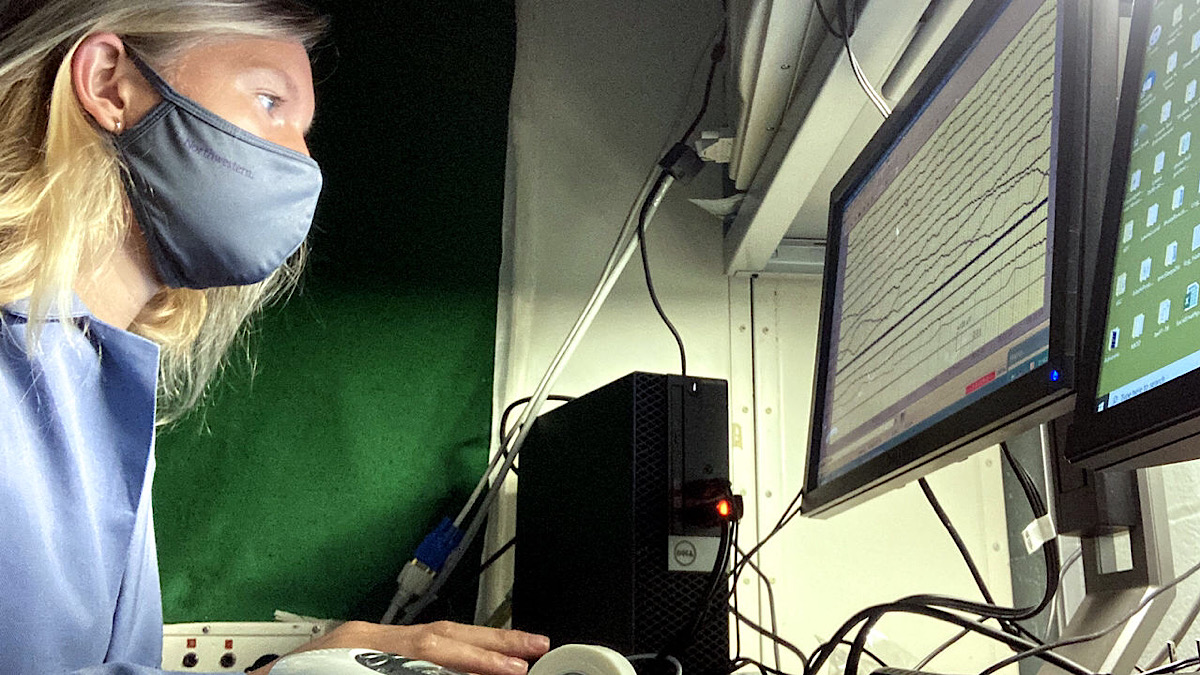
In the movie Inception, Leonardo DiCaprio enters into other people’s dreams to interact with them and steal secrets from their subconscious. Now, it seems this science fiction plot is one baby step closer to reality. For the first time, researchers have had “conversations” involving novel questions and math problems with lucid dreamers—people who are aware that they are dreaming. The findings, from four labs and 36 participants, suggest people can receive and process complex external information while sleeping.

“This work challenges the foundational definitions of sleep,” says cognitive neuroscientist Benjamin Baird of the University of Wisconsin, Madison, who studies sleep and dreams but was not part of the study. Traditionally, he says, sleep has been defined as a state in which the brain is disconnected and unaware of the outside world.

Lucid dreaming got one of its first mentions in the writings of Greek philosopher Aristotle in the fourth century B.C.E., and scientists have observed it since the 1970s in experiments about the rapid eye movement (REM) phase of sleep, when most dreaming occurs. One in every two people has had at least one lucid dream, about 10% of people experience them once a month or more. Although rare, this ability to recognize you are in a dream—and even control some aspects of it—can be enhanced with training. A few studies have tried to communicate with lucid dreamers using stimuli such as lights, shocks, and sounds to “enter” people’s dreams. But these recorded only minimal responses from the sleepers and did not involve complex transmission of information.

Continue reading… “Scientists entered people’s dreams and got them ‘talking’”

K.Hartwall launches new ‘autonomous mobile robot’

 BY DAVID EDWARDS

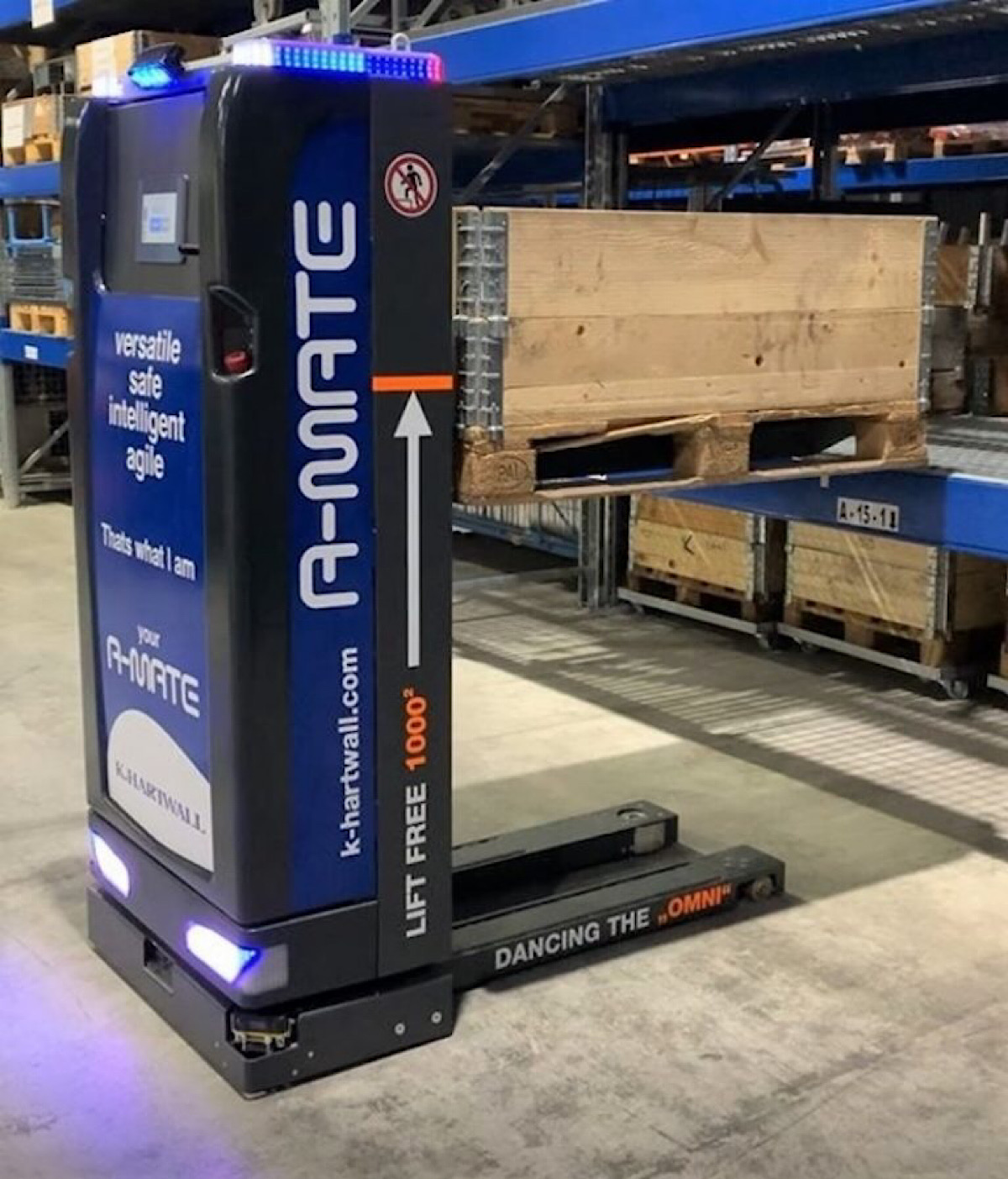
K.Hartwall has launched a new “autonomous mobile robot” called A-Mate. The company says this is the first fully electric free-lift pallet “AGV” with omnidirectional drive on the market. 

K.Hartwall calls its new machine an AGV as well as an AMR, which indicates the ongoing merging of the two technologies across the industry.

The company says the A-Mate is an extremely versatile mobile robot that will bring a new level of automation to intra-logistics, and to the movements of different load carriers, from pallets to roll containers and foldable cages or “gitter” boxes. 

K.Hartwall  says the free SLAM navigation combined with the innovative fleet management allows its customers to have a full overview of and control over their internal logistics operations.

Furthermore, safety has been a central point of focus in the development of A-Mate as AMRs become an integrated part of the overall logistics process.

Continue reading… “K.Hartwall launches new ‘autonomous mobile robot’”

World’s First Commercial Space Station Project Just Raised $130 Million

By  Brad Bergan

We’re one step closer to round-trip space tickets.

One of the most ambitious space startups — Axiom Space — has completed a $130 million Series B funding round, confirming investor confidence in the company — which NASA tapped to add privately-manufactured space station modules to the International Space Station (ISS), according to a Tuesday press release.

Crucially, Axiom Space also plans to build the first entirely-private space station once it’s finished with NASA’s ISS addition.

Continue reading… “World’s First Commercial Space Station Project Just Raised $130 Million”

NASA Will Pay You To Innovate Food System Ideas For Astronauts

BY MASHABLE NEWS STAFF

It has recently come to light that NASA is offering a $5,00,000 cash prize (Rs 3.6 crore) to people who can come up with innovative food production technologies for space and here on Earth. NASA in coordination with the Canadian Space Agency has invited people to create game-changing food technologies or systems that require minimal inputs and maximize nutritious food outputs for long-duration space missions.

“We are excited to coordinate with the Canadian Space Agency to conduct this challenge and push the boundaries of food technology production that will help keep our future explorers healthy, knowing that some of these technologies could also have great terrestrial applications,” said Jim Reuter, associate administrator for NASA’s Space Technology Mission Directorate at the agency’s headquarters in Washington.

Continue reading… “NASA Will Pay You To Innovate Food System Ideas For Astronauts”

Apple Pay now supports Bitcoin payments for the first time

By Yoni Heisler

  • With the new BitPay app, users can now use Apple Pay to make payments in Bitcoin and other cryptocurrencies.
  • BitPay is planning to include support for Google Pay and Samsung Pay in the near future.

Though Apple has historically had something of a love-hate relationship with Bitcoin, the company seems to be slowly but surely coming to the conclusion that the cryptocurrency isn’t something it can realistically avoid or ignore.

As a recent example, users can now use Apple Pay to make payments in Bitcoin and other cryptocurrencies, according to a recent press release from BitPay.

BitPay itself is a digital wallet that can be used in conjunction with Apple Pay and the Apple Wallet app.

“We have thousands of BitPay Wallet app customers using the BitPay Card who are always looking for new places and ways to spend their crypto,” BitPay CEO Stephen Pair said. “Adding Apple Pay and soon Google and Samsung Pay makes it easy and convenient to use the BitPay Card in more places from day-to-day items to luxury purchases.”

Continue reading… “Apple Pay now supports Bitcoin payments for the first time”

AI Can Now Learn to Manipulate Human Behavior

JON WHITTLE,

Artificial intelligence (AI) is learning more about how to work with (and on) humans. A recent study has shown how AI can learn to identify vulnerabilities in human habits and behaviours and use them to influence human decision-making.

It may seem cliched to say AI is transforming every aspect of the way we live and work, but it’s true. Various forms of AI are at work in fields as diverse as vaccine development, environmental management and office administration. And while AI does not possess human-like intelligence and emotions, its capabilities are powerful and rapidly developing.

There’s no need to worry about a machine takeover just yet, but this recent discovery highlights the power of AI and underscores the need for proper governance to prevent misuse.

Continue reading… “AI Can Now Learn to Manipulate Human Behavior”