Chinese Scientists Unveil Breakthrough ‘Low-Temperature Plasma Shield’ for Military Defense

Chinese scientists have reportedly achieved a major milestone in directed energy technology by developing an energy shield designed to protect military assets from potentially harmful microwaves. The breakthrough, if true, represents a significant advancement in the ongoing aerial-to-anti-aerial arms race, as reported by the South China Morning Post (SCMP).

The energy shield, utilizing a special kind of plasma, aims to resist high-powered electromagnetic radiation, such as microwaves, that can pose a threat to modern technology, including military chips with special circuits. Microwaves can cause electrical interference and increase internal temperatures in sensitive electronics, necessitating effective shielding. The research team, led by Chen Zongsheng from the State Key Laboratory of Pulsed Power Laser Technology at the National University of Defence Technology, claims to have developed a “low-temperature plasma shield” capable of protecting sensitive circuits from electromagnetic weapon attacks up to 170kW at a distance of only 9.8 feet (3 meters).

Continue reading… “Chinese Scientists Unveil Breakthrough ‘Low-Temperature Plasma Shield’ for Military Defense”

University of Hong Kong’s Breakthrough: SS-H2 Stainless Steel Revolutionizes Hydrogen Applications

A groundbreaking achievement in the realm of stainless steel has been realized by a team led by Professor Mingxin Huang from the University of Hong Kong’s Department of Mechanical Engineering. The latest innovation, known as SS-H2, is a stainless steel specifically designed for hydrogen applications, marking a significant advancement in the ‘Super Steel’ Project helmed by Professor Huang.

This achievement builds upon the project’s earlier milestones, including the creation of anti-COVID-19 stainless steel in 2021 and the development of ultra-strong and ultra-tough Super Steel in 2017 and 2020. The newly developed SS-H2 showcases exceptional corrosion resistance, opening the door to potential applications in green hydrogen production from seawater, addressing the need for sustainable solutions.

Continue reading… “University of Hong Kong’s Breakthrough: SS-H2 Stainless Steel Revolutionizes Hydrogen Applications”

Revolutionizing Materials: Amorphous Silicon Carbide Emerges as a Strong Contender

Researchers at Delft University of Technology, under the leadership of assistant professor Richard Norte, have unveiled a groundbreaking material that not only rivals the strength of diamonds and graphene but surpasses the yield strength of Kevlar, renowned for its use in bulletproof vests. This remarkable material, known as amorphous silicon carbide (a-SiC), holds significant promise for the field of material science.

Amorphous silicon carbide exhibits exceptional strength, with a yield strength 10 times greater than Kevlar. Beyond its strength, this material showcases mechanical properties crucial for vibration isolation on microchips, making it ideal for the production of ultra-sensitive microchip sensors.

Continue reading… “Revolutionizing Materials: Amorphous Silicon Carbide Emerges as a Strong Contender”

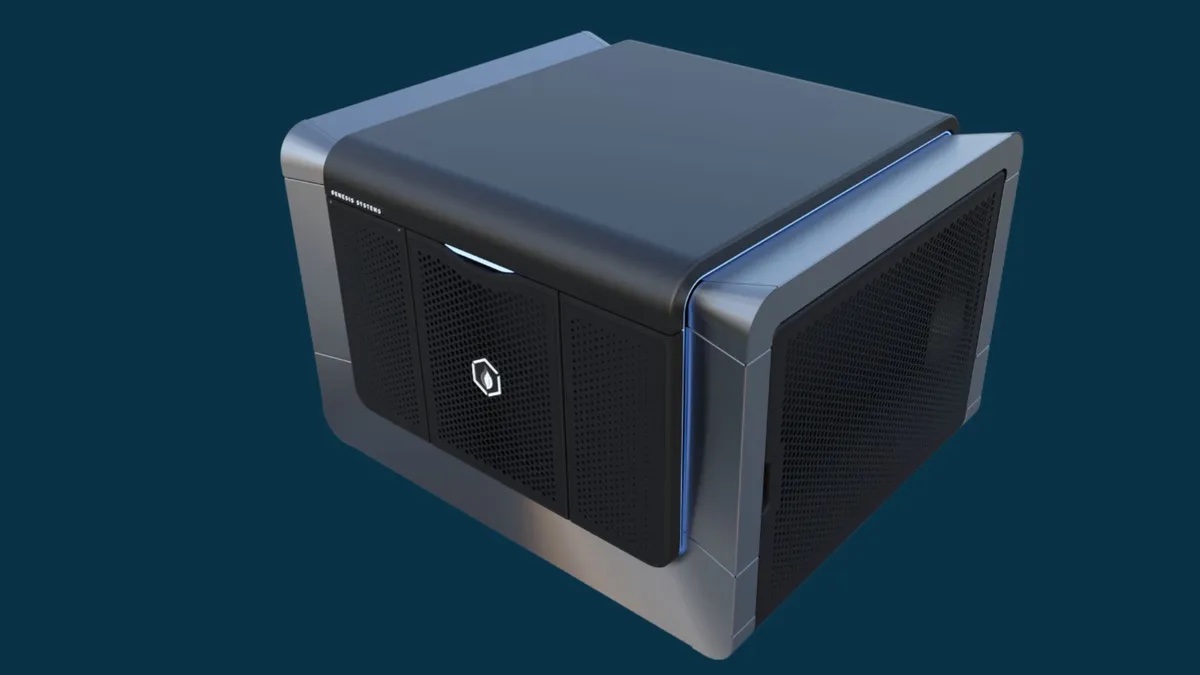
Genesis Systems Unveils WaterCube (WC-100): A Revolutionary Solution to Water Scarcity

Imagine a sustainable way for individuals and households to instantly extract fresh water from the air to power their homes, offices, and various spaces. This vision is now a reality, thanks to the WaterCube (WC-100) system introduced by Genesis Systems, a company dedicated to addressing global water scarcity challenges.

The WC-100 is hailed as the world’s first and only home air device capable of generating a remarkable 120 gallons of pure fresh water daily. This groundbreaking technology harnesses moisture from the atmosphere, employing a condensation method to produce drinkable water, all while prioritizing sustainability and providing pollution-free water sources.

Continue reading… “Genesis Systems Unveils WaterCube (WC-100): A Revolutionary Solution to Water Scarcity”

AI Guided Unveils “Smart” Belt for Visually Impaired

AI Guided, a Hong Kong-based startup, has introduced an innovative “smart” belt designed to assist the visually impaired, known as GUIDi. This device empowers individuals to navigate safely, avoid obstacles, and offers additional capabilities, as reported by the Ferra portal.

The intelligent GUIDi belt comprises two main components: the front and the back. On the front, two cameras with 8 MP resolution each are positioned, scanning the surrounding environment within a 5-meter radius. The rear section houses a microprocessor, electronic components, and a vibration motor that alerts the user to detected obstacles. The belt operates in conjunction with specialized software equipped with artificial intelligence, which analyzes real-time video from the cameras. It can identify static objects and notify the user through subtle vibrations.

Continue reading… “AI Guided Unveils “Smart” Belt for Visually Impaired”

Transforming Plant Health: Scientists Engineer Microbiomes to Combat Diseases

In a groundbreaking achievement, scientists have achieved a significant breakthrough by engineering the microbiome of plants, increasing the prevalence of beneficial bacteria that serve as a shield against diseases. This remarkable discovery, recently published in Nature Communications, is the result of collaborative research between the University of Southampton, China, and Austria. Its implications extend far beyond agriculture, as it has the potential to revolutionize plant health and reduce the need for harmful pesticides.

Much like the human body’s microbiome, consisting of diverse microorganisms residing in and around us, plants also host a multitude of bacteria, fungi, viruses, and other microorganisms within their roots, stems, and leaves. Over the past decade, scientists have been delving into the intricate world of plant microbiomes to understand their influence on plant health and susceptibility to diseases.

Continue reading… “Transforming Plant Health: Scientists Engineer Microbiomes to Combat Diseases”

The Future of Smartphones: Detecting Air Quality and Smoke Levels

A startup named Mobile Physics is spearheading a technological breakthrough that could equip future smartphones with the capability to detect air quality and smoke levels, providing users with crucial alerts about potentially hazardous conditions. Qualcomm and STMicroelectronics are collaborating to embed this innovation in an upcoming Android phone platform.

Why It Matters

Air pollution has emerged as an increasingly pressing health concern, especially with the changing climate:

  • Wildfires, growing in intensity, are adversely impacting air quality in various regions, including the United States.
  • Events like last summer’s eerie orange skies highlight the growing need for awareness about dangerous toxin levels in the environment.
Continue reading… “The Future of Smartphones: Detecting Air Quality and Smoke Levels”

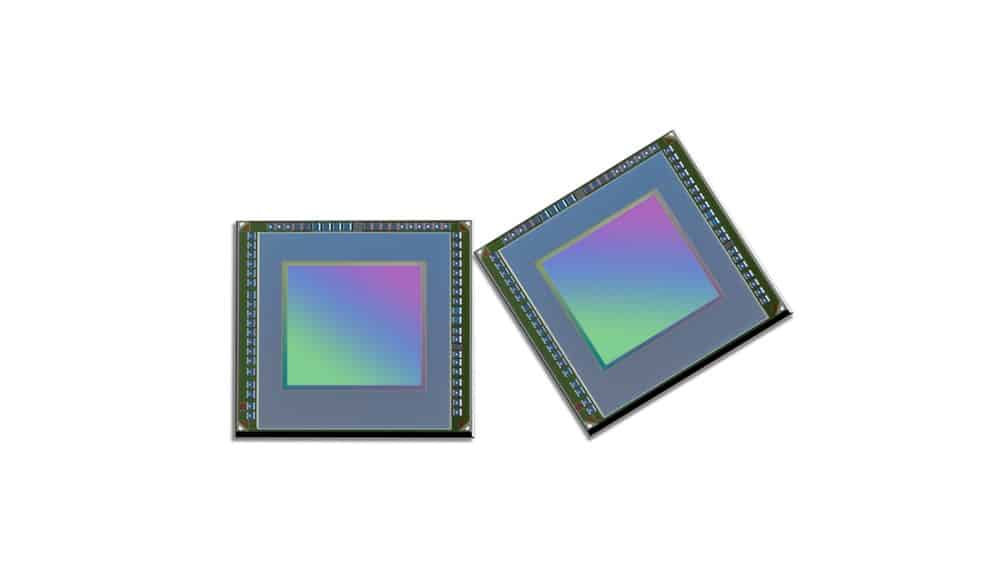
Samsung Unveils Next-Generation Sensors to Elevate Machine Vision Technology

Samsung has recently introduced two cutting-edge sensors as part of its Isocell Vizion family, poised to revolutionize machine vision technology. These sensors have been meticulously crafted to elevate 3D imaging capabilities and enhance image clarity in motion, with one holding remarkable promise for facial recognition and iris biometrics applications.

The Isocell Vizion 63D stands out by incorporating Time-of-Flight (ToF) technology, which precisely measures the time taken by light to travel from the sensor, bounce off objects, and return to the sensor. This sophisticated technology plays a pivotal role in generating 3D representations of the surrounding environment, making it exceptionally valuable for applications like virtual and augmented reality, iris biometrics, facial detection, and gesture recognition. To craft a three-dimensional perspective, the sensor gauges the phase shift between emitted and reflected light, a distinguishing feature of iToF technology that ensures exceptional accuracy.

Continue reading… “Samsung Unveils Next-Generation Sensors to Elevate Machine Vision Technology”

“Brainoware”: Biohybrid Computer Combining Human Brain Organoid and AI Shows Promise in Speech Recognition

In a groundbreaking development, researchers from the University of Indiana Bloomington (UIB) have introduced a new biohybrid computer named “Brainoware,” which merges a “brain organoid” with traditional artificial intelligence (AI). This innovative system demonstrated its potential by achieving 78% accuracy in a speech recognition task, highlighting the possibilities of enhancing computing capabilities with elements of human biology.

The rationale behind this endeavor stems from the remarkable energy efficiency of the human brain. While supercomputers require 20 megawatts of power for processing over a quintillion calculations per second, the human brain accomplishes equivalent tasks with a mere 20 watts. Inspired by this efficiency, scientists explored the idea of augmenting computers by integrating them with three-dimensional clusters of lab-grown human brain cells, known as brain organoids.

Continue reading… ““Brainoware”: Biohybrid Computer Combining Human Brain Organoid and AI Shows Promise in Speech Recognition”

Advancements in Quantum Communication: Russia and China Successfully Demonstrate Secure Satellite-Based Communication

In a groundbreaking development following recent quantum communication demonstrations using undersea fiber optics, scientists from Russia and China have achieved a significant milestone by successfully demonstrating quantum communication over satellite. The test utilized China’s quantum satellite, known as “Mozi,” marking a collaborative effort to establish advanced encrypted communication networks that are shielded from external scrutiny, potentially benefiting BRICS-aligned countries.

The successful experiment was conducted from a ground station near Moscow, Russia, to another station close to Urumqi, China, covering a distance of over 3,800 kilometers, as reported by the South China Morning Post.

Continue reading… “Advancements in Quantum Communication: Russia and China Successfully Demonstrate Secure Satellite-Based Communication”

Groundbreaking Achievement: Georgia Tech Researchers Develop First Graphene Semiconductor

In a pioneering breakthrough, researchers at the Georgia Institute of Technology have successfully crafted the world’s inaugural functional semiconductor made from graphene, a single sheet of carbon atoms bound together by the strongest known bonds. Published in Nature, the research signals a promising avenue for the future of electronics, particularly as silicon, the predominant material in contemporary electronics, approaches its limits in the face of escalating computing speeds and diminishing device sizes.

Leading the charge is Walter de Heer, Regents’ Professor of physics at Georgia Tech, who spearheaded a team based in Atlanta, Georgia, and Tianjin, China. The team’s achievement centers on creating a graphene semiconductor compatible with conventional microelectronics processing methods—a critical requirement for a viable alternative to silicon.

Continue reading… “Groundbreaking Achievement: Georgia Tech Researchers Develop First Graphene Semiconductor”

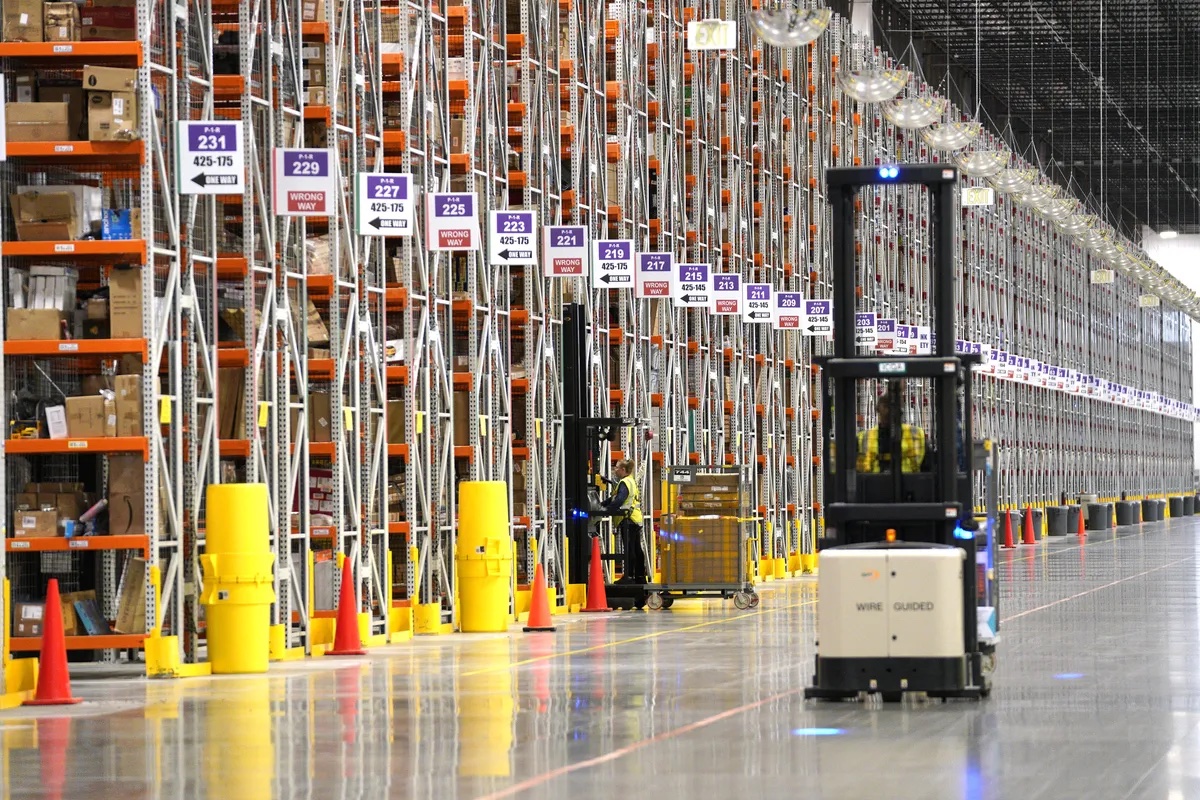
Amazon Embarks on Hydrogen Fuel Production at Fulfillment Centers in Sustainability Drive

Amazon has recently unveiled plans to venture into hydrogen fuel production at its fulfillment centers, signaling a strategic move towards sustainable energy solutions. In collaboration with hydrogen technology company Plug Power, Amazon has initiated the installation of the first electrolyzer, a device designed to split water molecules and produce hydrogen, at its fulfillment center located in Aurora, Colorado.

The primary purpose of this electrolyzer is to generate fuel for approximately 225 forklift trucks operating at the site. However, Plug Power asserts that the equipment has the capacity to provide fuel for up to 400 hydrogen fuel cell-powered forklifts. This initiative marks Amazon’s inaugural attempt to produce hydrogen on-site, with indications suggesting a potential expansion of such efforts in the future.

Continue reading… “Amazon Embarks on Hydrogen Fuel Production at Fulfillment Centers in Sustainability Drive”