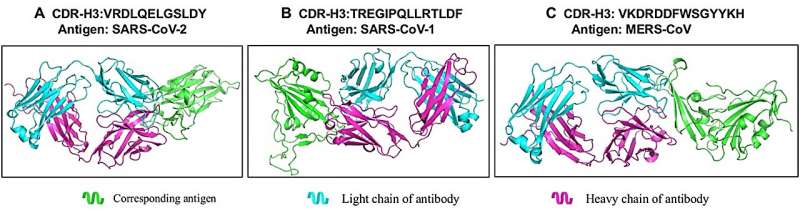
Researchers from Zhejiang University and HKUST (Guangzhou) have developed an advanced AI model, ProtET, that harnesses the power of multi-modal learning to enable controllable protein editing through simple text-based instructions. This breakthrough, detailed in Health Data Science, bridges the gap between biological language and the manipulation of protein sequences, advancing functional protein design across various domains, such as enzyme activity, stability, and antibody binding.
Proteins are vital to all biological processes, and their precise modification holds tremendous potential in areas like medical therapies, synthetic biology, and biotechnology. Traditional methods of protein editing typically involve time-consuming laboratory experiments and single-task optimization models. However, ProtET introduces a transformative approach using a transformer-structured encoder and a hierarchical training paradigm. The model aligns protein sequences with natural language descriptions through contrastive learning, allowing researchers to modify proteins intuitively using text-based instructions.
Continue reading… “Revolutionary AI Model ProtET Enables Controllable Protein Editing with Text-Based Instructions”