China’s Microgravity Experiment Facility: Pioneering Space Research on Earth

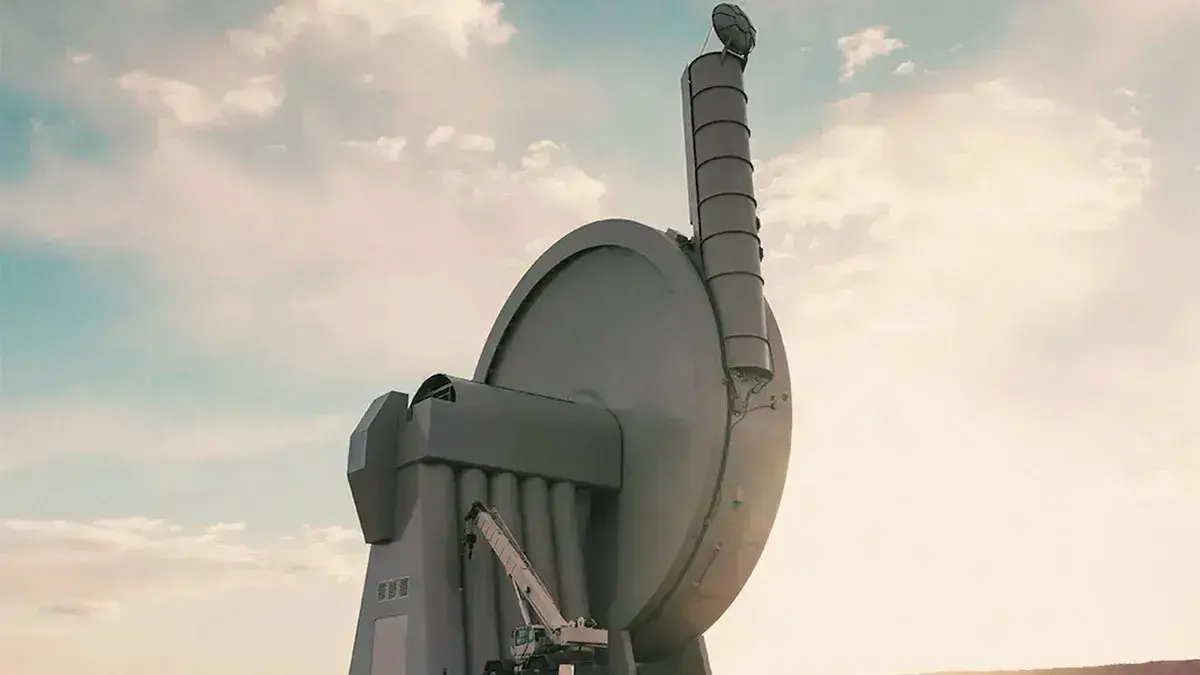
Chinese scientists have successfully built a groundbreaking Microgravity Experiment Facility with Electromagnetic Launch (MEFEL) to conduct cost-effective microgravity experiments on Earth, bolstering the country’s ambitious space research endeavors. The 131-foot tall MEFEL utilizes a linear motor to create a weightless environment for approximately 4 seconds, supporting up to 100 experiments daily, while consuming only 1 kilowatt-hour of electricity per experiment.

Compared to conventional microgravity facilities like drop towers and parabolic flights, MEFEL proves to be a game-changer, saving significant time and resources in pretesting experiments that will eventually be conducted aboard the Tiangong space station. Additionally, the facility can simulate partial gravity to mimic conditions on the moon and Mars.

Continue reading… “China’s Microgravity Experiment Facility: Pioneering Space Research on Earth”
Unveiling Nature’s Microbe Killer: The Cicada Wing’s Antibacterial Secret Unraveled Through Nanoscale Simulations

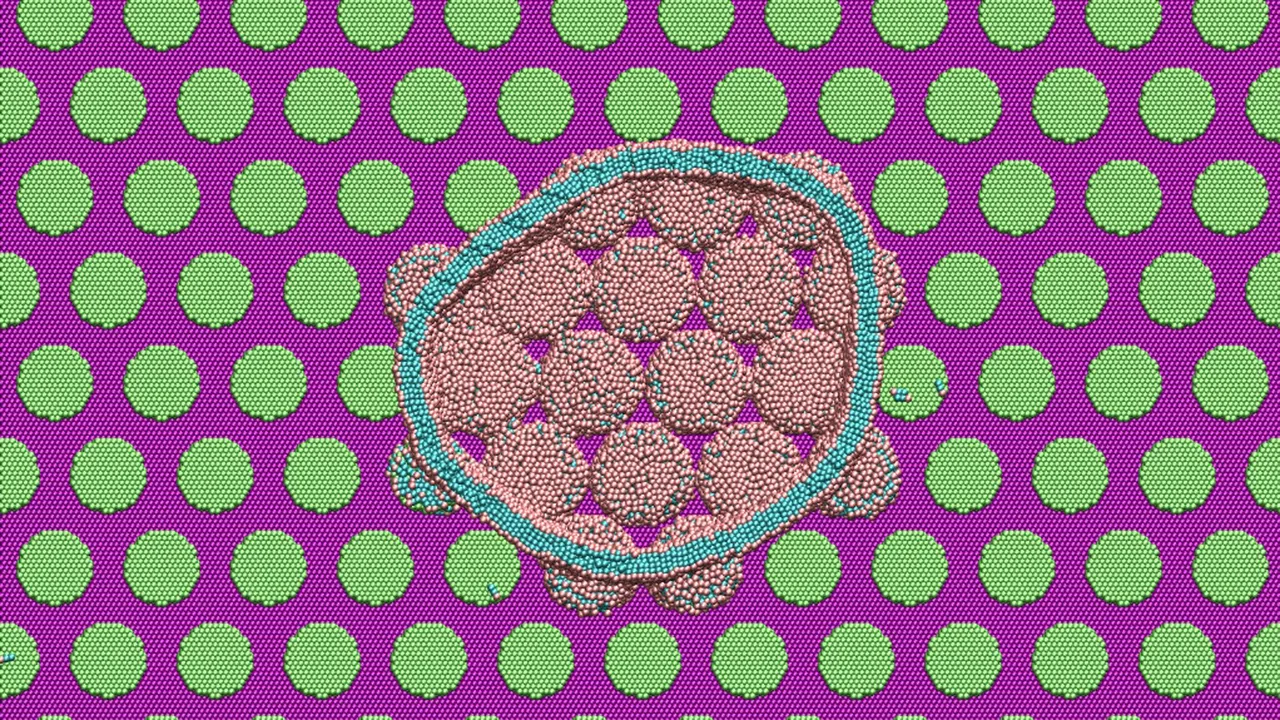
Over the last decade, collaborative teams of engineers, chemists, and biologists have diligently studied the physical and chemical properties of cicada wings, driven by the quest to unlock the enigmatic ability of these wings to eliminate microbes on contact. The hope is that if science can replicate this natural function, it may lead to the development of products with inherently antibacterial surfaces, surpassing the effectiveness of current chemical treatments.

At Stony Brook University’s Department of Materials Science and Chemical Engineering, researchers made significant progress when they developed a simple technique to replicate the nanostructure of cicada wings. However, they still lacked a crucial piece of information – the exact mechanism by which the nanopillars on the wing’s surface exterminate bacteria. Fortunately, their answer came in the form of assistance from Jan-Michael Carrillo, a researcher at the Center for Nanophase Materials Sciences in the Department of Energy’s Oak Ridge National Laboratory.

Continue reading… “Unveiling Nature’s Microbe Killer: The Cicada Wing’s Antibacterial Secret Unraveled Through Nanoscale Simulations”

Quantum Drum: A Quantum Supersensor Finding Its Way Into Our Devices

Researchers at the University of Copenhagen have developed a groundbreaking “quantum drum,” a thin vibrating membrane capable of measuring various influences with unparalleled precision. Originally requiring extreme cooling with liquid helium, the researchers have now achieved the same accuracy at room temperature, making the quantum drum feasible for practical applications, even potentially in consumer devices like smartphones.

The heart of the quantum drum lies in its ultra-fast vibrations governed by the laws of quantum physics. By reading changes in these vibrations, researchers can detect a wide range of factors, including temperature variations, gas presence, and even the presence of a single virus. Moreover, by adding tiny magnets or pieces of metal to the drum, they can measure electric and magnetic fields with exceptional accuracy.

Continue reading… “Quantum Drum: A Quantum Supersensor Finding Its Way Into Our Devices”

Unraveling the Brain’s Decision-Making with Reinforcement Learning

How does the human brain handle complex situations, like navigating through traffic in busy areas? Psychologists and neuroscientists propose that the brain creates causal models of the world, running mental simulations to plan and execute actions. This idea aligns with the concept of Reinforcement Learning (RL), a system developed by computer scientists to understand human thinking and decision-making.

In a recent study published in Neuron, researchers delved deeper into RL’s neural architecture by employing functional magnetic resonance (fMRI) to compare their algorithmic theory with real-world brain imaging. The goal was to better understand how RL plays out in the brain and potentially improve RL algorithms in artificial intelligence.

Continue reading… “Unraveling the Brain’s Decision-Making with Reinforcement Learning”

NASA’s Humanoid Robot Valkyrie Embarks on New Mission in Australia

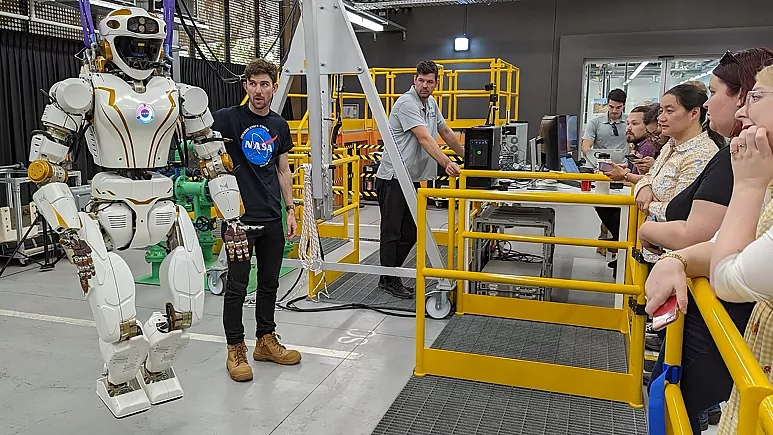
NASA’s humanoid robot, Valkyrie, is embarking on an exciting new mission in Australia. Recently delivered to Western Australia, Valkyrie will be put to the test at Woodside Energy, an Australian energy giant based in Perth. Woodside Energy plans to utilize Valkyrie for remote caretaking of its uncrewed and offshore facilities, enhancing safety for both personnel and the environment.

Shaun Azimi, lead of the dexterous robotics team at NASA Johnson, expressed enthusiasm about the project, stating, “We are pleased to be starting the next phase of development and testing of advanced robotic systems that have the potential to positively impact life on Earth by allowing safer operations in hazardous environments. These demonstrations will evaluate the current potential of advanced robots to extend the reach of humans and help humanity explore and work safely anywhere.”

Continue reading… “NASA’s Humanoid Robot Valkyrie Embarks on New Mission in Australia”

Quantum-Inspired Holography: A Breakthrough in 3D Imaging and Remote Object Reconstruction

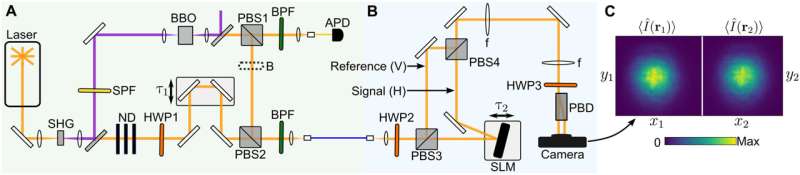
Researchers from the University of Ottawa, the National Research Council of Canada (NRC), and Imperial College London have made a groundbreaking discovery in holography, enabling the recording and reconstruction of faint light beams containing a single particle of light, or photon. This quantum-inspired technique opens new possibilities for holographic imaging of remote objects, akin to what is seen in sci-fi classics like Star Trek and Star Wars.

Led by Dr. Benjamin Sussman, adjunct professor of physics in the Faculty of Science at uOttawa, the team developed this pioneering technique at the uOttawa-NRC Joint Centre for Extreme Photonics. Their goal was to accurately record and reconstruct three-dimensional scenes using extremely faint light beams consisting of single photons.

Continue reading… “Quantum-Inspired Holography: A Breakthrough in 3D Imaging and Remote Object Reconstruction”

SpaceX Falcon 9 Sets New Record with 16th Flight of Starlink Satellites

SpaceX achieved a historic milestone with the late-night launch of its Falcon 9 rocket carrying another batch of Starlink Internet satellites. This successful liftoff marked the 16th flight for the first-stage booster, setting a new record for the most flights by any SpaceX launch vehicle. Looking to the future, SpaceX has ambitious plans to fly its reusable Falcon 9 boosters up to 20 times, double the original target.

Prior to Sunday’s launch, the Falcon 9 booster underwent several months of rigorous inspections and refurbishment, including a crucial “recertification” process. This process aimed to prove that the booster could fly at least five more times after completing its 15th launch and landing in December last year. The recent mission demonstrated the booster’s resilience and ushered in its extended operational life.

Continue reading… “SpaceX Falcon 9 Sets New Record with 16th Flight of Starlink Satellites”

Revolutionizing Recurrent Neural Networks: A Paradigm Shift in Reservoir Computing

Reservoir computing, a promising computational framework built upon recurrent neural networks (RNNs), shows great potential in enhancing the performance of machine learning algorithms while reducing the data required for training. RNNs leverage recurrent connections between processing units to process sequential data, making accurate predictions for various tasks. However, optimizing their performance by identifying relevant parameters can be complex and time-consuming.

Recently, researchers Jason Kim and Dani S. Bassett from the University of Pennsylvania introduced an innovative approach to design and program RNN-based reservoir computers, inspired by how programming languages work on computer hardware. Published in Nature Machine Intelligence, their approach identifies suitable parameters for a given network, programming its computations to optimize performance on specific tasks.

Continue reading… “Revolutionizing Recurrent Neural Networks: A Paradigm Shift in Reservoir Computing”

Unveiling the Secrets of Volcanic Eruptions: Using Laser Technology to Decode Magma Composition

When reports of volcanic eruptions spewing lava and ash emerge, concerns for nearby populations naturally arise. Astonishingly, almost one in ten people worldwide reside within 100 kilometers of an active volcano. Understanding the drivers behind these eruptions is crucial for those living, farming, or visiting areas in close proximity to these geological wonders.

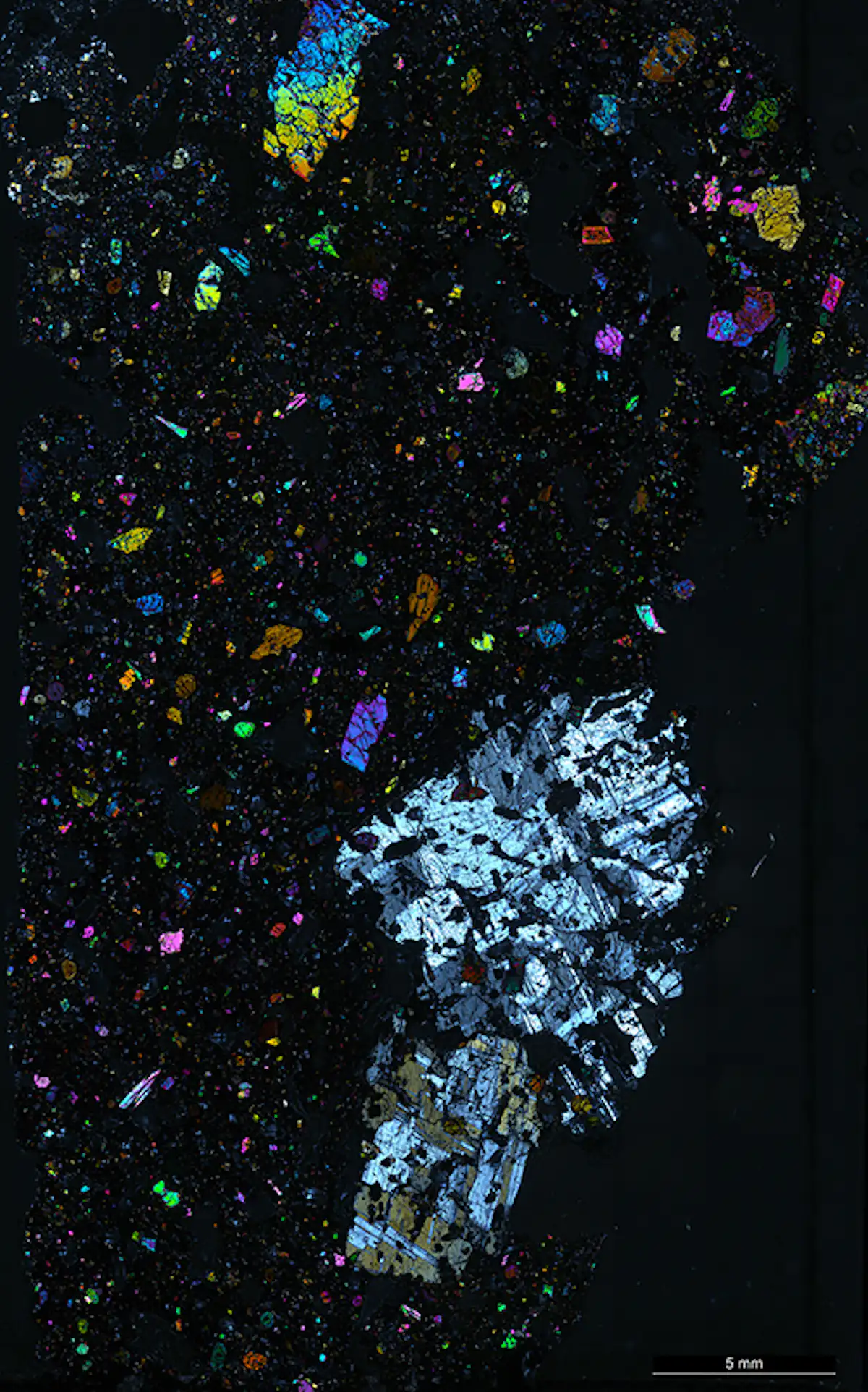
A groundbreaking research study, published today in Science Advances, introduces the application of laser technology to analyze the chemical composition of erupted magma over time. As magma’s chemistry directly impacts its fluidity, explosivity, and hazardous potential, this innovative work can significantly contribute to future monitoring and forecasting of volcanic eruption evolution.

Continue reading… “Unveiling the Secrets of Volcanic Eruptions: Using Laser Technology to Decode Magma Composition”

Bionaut Labs: Pioneering Micro-Robots Revolutionize Targeted Brain Treatments

In 2013, Apple made headlines with its acquisition of PrimeSense, a leading company in 3D sensors, for approximately $400 million. PrimeSense had powered Microsoft Kinect for Xbox 360 and contributed to Apple’s groundbreaking Face ID technology. Now, the founders of PrimeSense, Michael Shpigelmacher, Aviad Maizels, and Alex Shpunt, have embarked on a new venture with their medical startup, Bionaut Labs. Instead of sensor technology, their focus is on exploring the intricate depths of the human brain.

Bionaut Labs is currently conducting tests at a Mayo Clinic facility and is preparing to commence clinical trials in collaboration with five esteemed US medical centers, as it seeks FDA approval. To support their groundbreaking work, Bionaut is in the process of raising a Series B-1 funding round, with the OurCrowd investment platform featuring prominently.

Continue reading… “Bionaut Labs: Pioneering Micro-Robots Revolutionize Targeted Brain Treatments”

Celestial AI Secures $100 Million in Series B Funding for Photonic Fabric Technology

Celestial AI, a developer specializing in optical interconnect technology, has successfully raised $100 million in a series B funding round for its innovative Photonic Fabric technology platform. The investment was led by IAG Capital Partners, Koch Disruptive Technologies (KDT), and Temasek’s Xora Innovation fund. Other notable participants included Samsung Catalyst, Smart Global Holdings (SGH), Porsche Automobil Holding SE, The Engine Fund, ImecXpand, M Ventures, and Tyche Partners. With this funding, Celestial AI has accumulated a total of $165 million from seed funding to series B.

Continue reading… “Celestial AI Secures $100 Million in Series B Funding for Photonic Fabric Technology”

California-based Nonprofit Develops Innovative System to Deflect Mid-Sized Asteroids

The Aerospace Corporation, a nonprofit organization based in California, is making significant strides in the development of an asteroid deflection system designed to address mid-sized asteroids capable of causing widespread damage on Earth. This groundbreaking system aims to alter the trajectory of asteroids by utilizing their rocky debris, redirecting them away from Earth.

In an interview with Gizmodo, Nahum Melamed, a project leader at The Aerospace Corporation, explained that the team focused on objects of comparable size to the Chelyabinsk asteroid, considering the potential threats they could pose in our lifetime. Through their research, they have successfully demonstrated the capability to deflect such asteroids within a few weeks of operation using their system.

Continue reading… “California-based Nonprofit Develops Innovative System to Deflect Mid-Sized Asteroids”