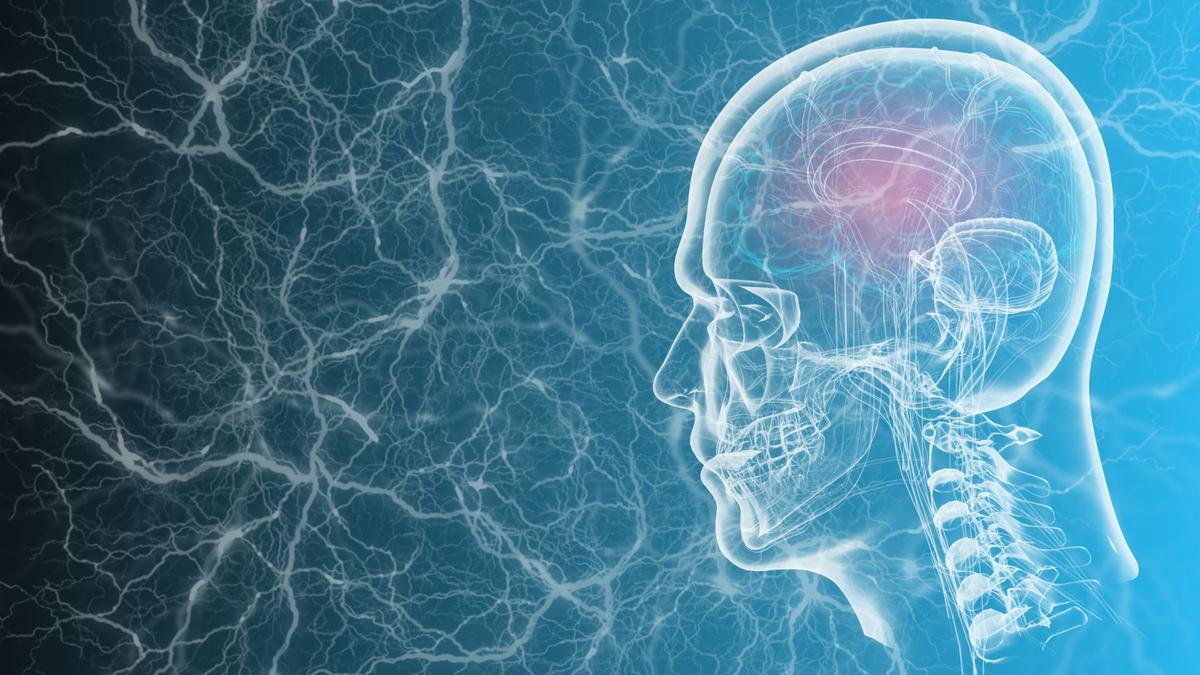
Healthcare professionals have long sought effective ways to alleviate the symptoms of Parkinson’s disease. Now, researchers from the University of California, San Francisco (UCSF), as part of the National Institutes of Health (NIH) BRAIN Initiative, have developed a promising new treatment called adaptive deep brain stimulation (aDBS). This innovative approach uses an implantable device driven by the patient’s brain activity, potentially revolutionizing the treatment of Parkinson’s disease (PD).
Known as a “closed loop” system, aDBS aims to improve upon existing deep brain stimulation (DBS) techniques used for Parkinson’s and other neurological disorders. The study reveals that aDBS significantly outperforms traditional DBS in controlling Parkinson’s symptoms.
Continue reading… “Breakthrough in Parkinson’s Treatment: Adaptive Deep Brain Stimulation Offers Personalized Relief”