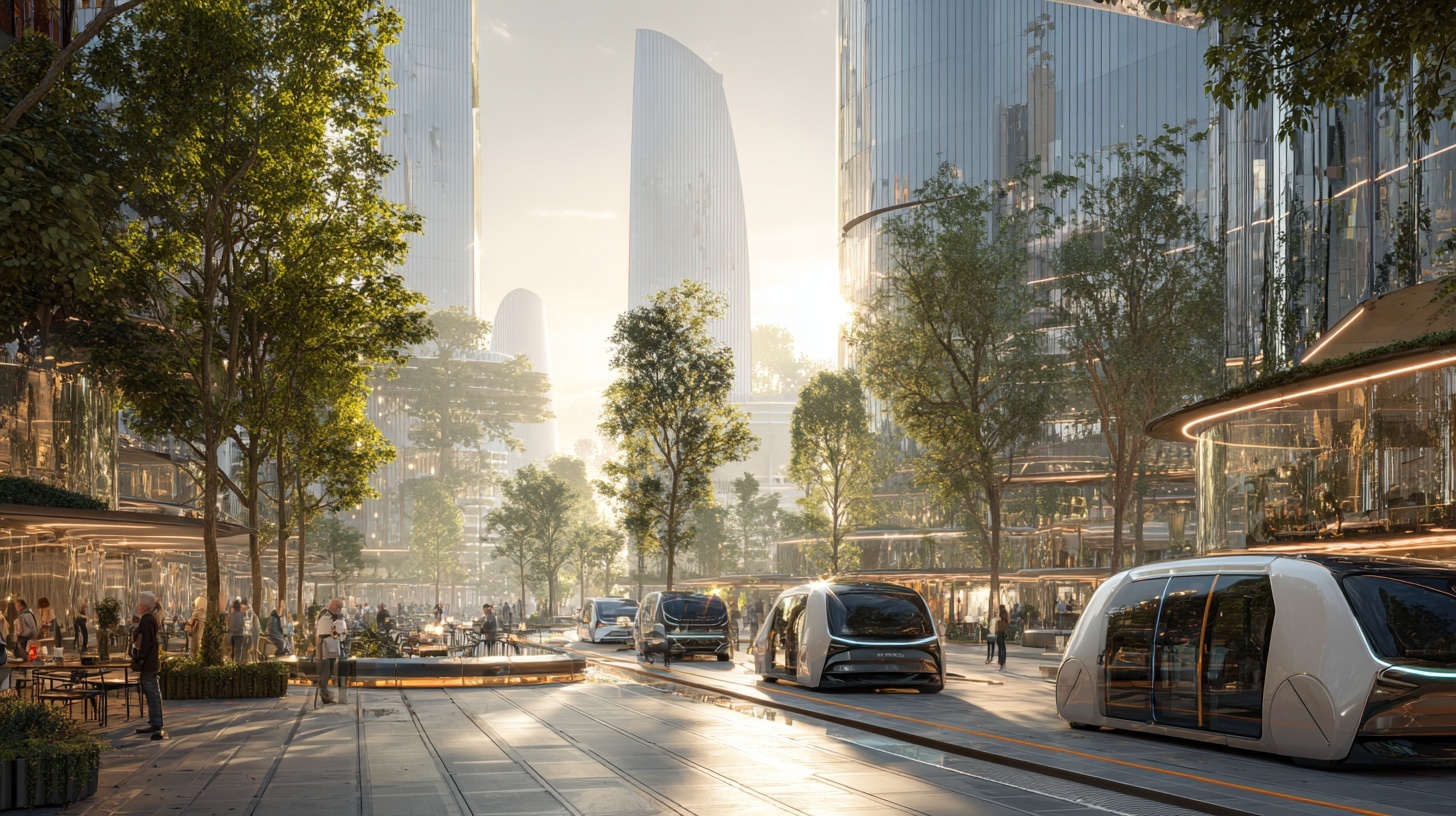
The Cybercab Is the Moment Everything Changes

By Futurist Thomas Frey

How Elon Musk’s transportation masterplan — twenty years in the making — is finally arriving at the inflection point that reshapes American life

This Isn’t a Car. It’s a Systems Shift.

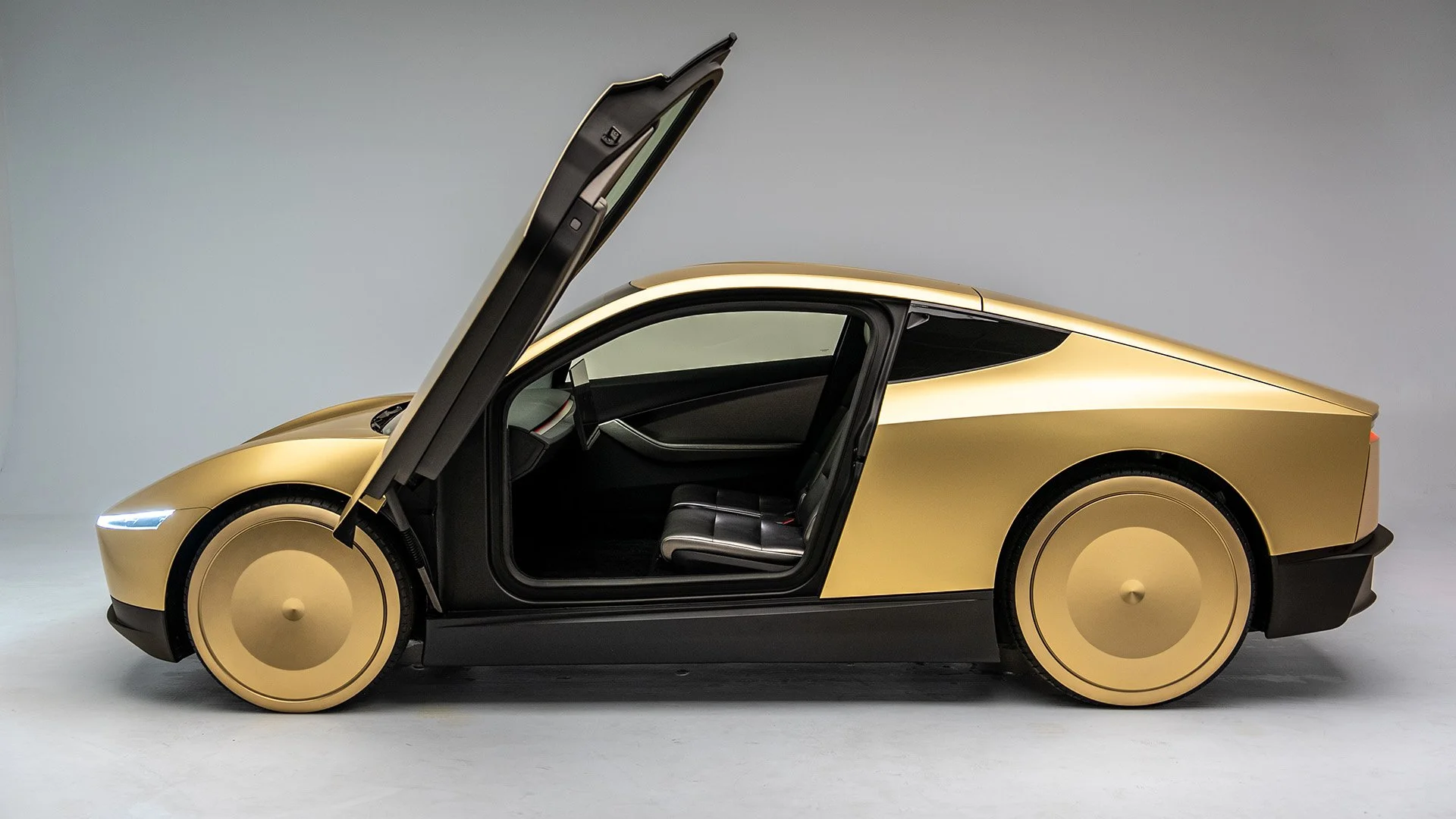
When Tesla unveiled the Cybercab at Warner Bros. Studios in October 2024, most coverage focused on what was missing: no steering wheel, no pedals, butterfly doors that open automatically, a 20.5-inch screen where a dashboard used to be. Clean lines, futuristic design, two seats.

What most coverage missed was the bigger picture. The Cybercab isn’t a car product. It’s the hardware layer of a transportation operating system that Elon Musk has been architecting — piece by piece, decade by decade — since the first Tesla Roadster rolled out in 2008. Production began at Gigafactory Texas in February 2026. Full volume ramp starts this April.

To understand why this moment matters, you have to trace the full arc of the bet Musk has been making. Because each move in the sequence was necessary for the one that followed — and the Cybercab is where the sequence culminates.

Continue reading… “The Cybercab Is the Moment Everything Changes”
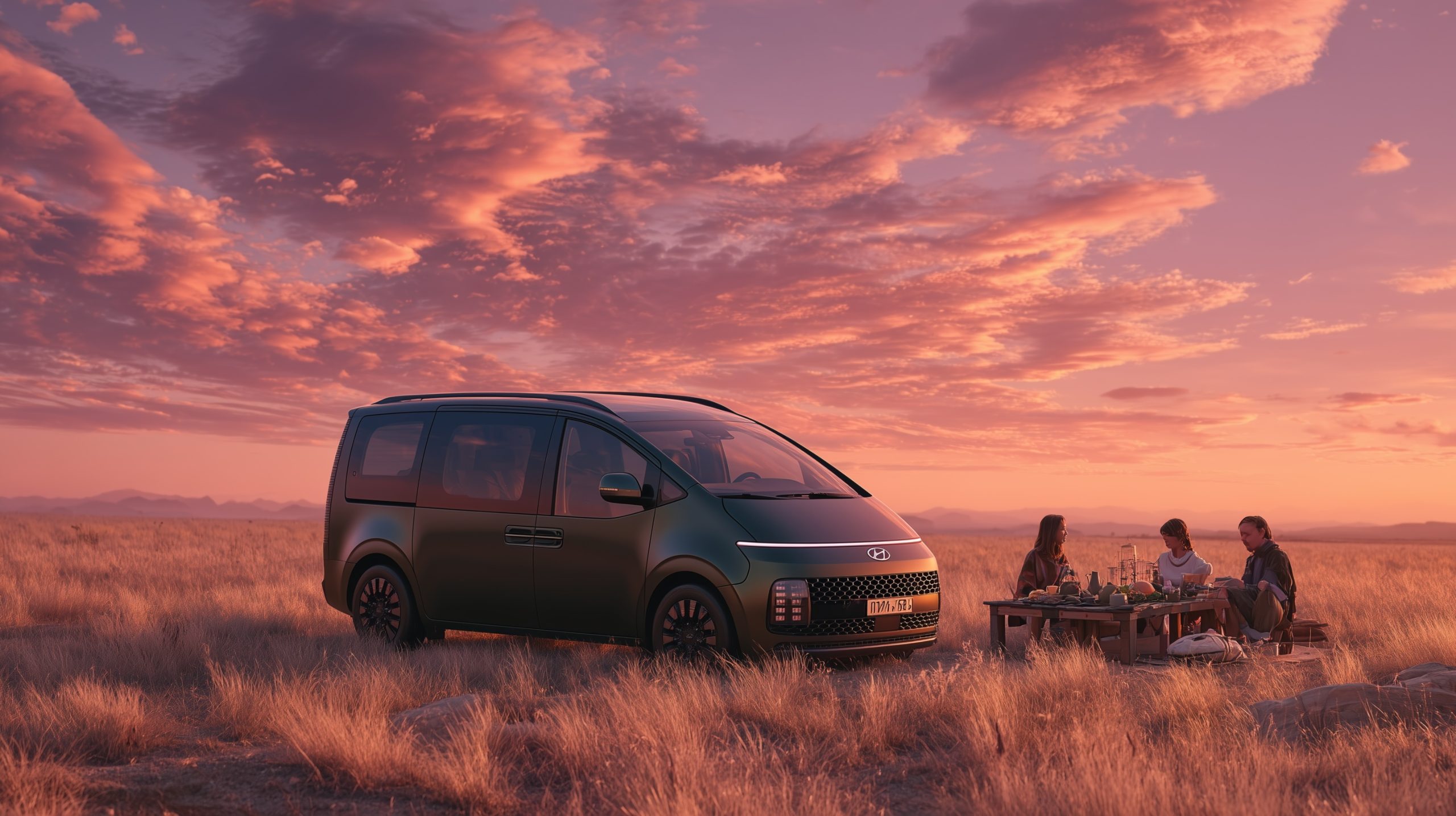
The Driverless Revolution Series Part 6: The Daily Life Revolution—How AVs Change Where We Live, Work, and Spend Time

By Futurist Thomas Frey

The Commute That Isn’t

It’s 2042. James lives in Boulder, Colorado. He works in downtown Denver—35 miles away.

Every morning at 6:30 AM, an autonomous vehicle arrives at his house. He gets in with his coffee, opens his laptop, and starts working. By the time he arrives at his office at 7:45 AM, he’s already answered emails, reviewed documents, and attended a virtual meeting.

His evening commute? Same thing. He leaves the office at 5:00 PM, works in the AV until 6:15 PM, then walks in his front door having completed a full workday plus 90 minutes of commute-time productivity.

His wife Sarah does something different. She sleeps during her morning commute—the AV picks her up at 7:00 AM, she naps for 45 minutes, and wakes up refreshed when the car announces arrival at her office at 7:45 AM. Evening commute? She reads novels. Watches shows. Catches up with friends via video chat. Her commute time is leisure time.

Their teenage daughter Emma takes an AV to high school. She does homework during the 20-minute ride.

Here’s what changed: The family moved from a small apartment near Denver to a large house in Boulder. Why? Because commute time stopped being wasted time. When you can work or sleep or read during your commute, distance matters less.

This is what autonomous vehicles do to daily life. They don’t just change transportation—they change where we live, how we work, when we travel, and what we do with our time.

Continue reading… “The Driverless Revolution Series Part 6: The Daily Life Revolution—How AVs Change Where We Live, Work, and Spend Time”

The Driverless Revolution Series Part 5: The End of Car Accident Deaths—When 40,000 Annual Fatalities Drop to Zero

By Futurist Thomas Frey

The Call That Never Comes

It’s 11:47 PM on a Friday night. Your 17-year-old son is out with friends. Your phone rings. Unknown number. Your heart stops.

Every parent knows this fear. The late-night call. The police officer on the other end. “There’s been an accident.”

In 2023, over 40,000 Americans died in traffic accidents. That’s 110 people every single day. It’s the leading cause of death for Americans aged 5-29. More than drugs. More than suicide. More than disease.

Every one of those deaths destroyed a family. Parents. Siblings. Children. Friends. Entire communities shattered by one moment of inattention, one patch of ice, one drunk driver, one mechanical failure.

By 2045, that fear largely disappears. The late-night call doesn’t come anymore. Your teenager drives—or rather, rides—in a vehicle that’s statistically safer than your living room.

Traffic deaths won’t drop to zero. There will still be occasional technical failures, edge cases the AI didn’t anticipate, residual human-driven vehicles causing crashes. But 95% of the carnage ends.

40,000 deaths become 2,000. 110 people dying daily becomes 5-6. A leading cause of death becomes a statistical rarity.

This is the most unambiguously good thing autonomous vehicles do. They save lives on a scale we can barely comprehend.

Continue reading… “The Driverless Revolution Series Part 5: The End of Car Accident Deaths—When 40,000 Annual Fatalities Drop to Zero”

The Driverless Revolution Series Part 1: The Infrastructure Apocalypse—What Happens to Parking Lots, Drive-Thrus, and Gas Stations

By Futurist Thomas Frey

The Most Valuable Land Nobody Wants

There’s a parking lot across from where my office used to be in downtown Denver. It’s an ugly scar of asphalt covering half a city block. On a good day, it generates maybe $30,000 a year in parking fees.

The land it sits on? Worth about $15 million.

That’s a 0.2% return on asset value. Possibly the worst-performing real estate investment in the entire city. And there are thousands just like it across America.

By 2040, that parking lot will be gone. So will virtually every parking lot in downtown Denver. And Seattle. And Austin. And every other American city.

They’ll be replaced by apartment buildings, offices, parks, restaurants—anything that actually generates value from expensive urban land.

This isn’t speculation. It’s inevitable math. Driverless cars don’t need to park near their destination. They drop you off and leave—returning home, picking up another passenger, or repositioning for the next ride. Parking becomes obsolete.

And parking is just the beginning. When autonomous vehicles arrive in the late 2020s and early 2030s, they’ll trigger the largest infrastructure transformation in American history. Everything designed around human drivers—parking lots, drive-thrus, gas stations, even traffic lights—becomes instantly obsolete.

The physical landscape of America is about to change more in 20 years than it has in the previous 70.

Continue reading… “The Driverless Revolution Series Part 1: The Infrastructure Apocalypse—What Happens to Parking Lots, Drive-Thrus, and Gas Stations”

Intel predicts a $7 trillion economy for self-driving vehicles

self-driving-car-concept-2

The race to be the first to deploy autonomous vehicles is on among carmakers, emerging startups, and tech giants. Amid this constant news cycle of deals and drama, the purpose of all of it can get lost — or at least a bit muddied. What exactly are these companies racing for?

Continue reading… “Intel predicts a $7 trillion economy for self-driving vehicles”

The first self-driving car will debut in three years, but will you want to buy one?

Right now, you can head over to a local Volvo dealership and test drive a 2017 Volvo S90. With the push of a button, drivers can watch the car take over steering to stay within a lane, slow itself down in rush-hour traffic and accelerate — up to 80 mph — on the highway. It’s the first Volvo to include the second-generation Pilot Assist as a standard feature.

But, even equipped with radar and a 360-degree camera that can distinguish humans from deer, bicyclists and other cars, the $47,000 S90 sedan is not an autonomous vehicle. A driver must be in the seat and frequently touch the steering wheel. Otherwise, the car slows down.

Continue reading… “The first self-driving car will debut in three years, but will you want to buy one?”

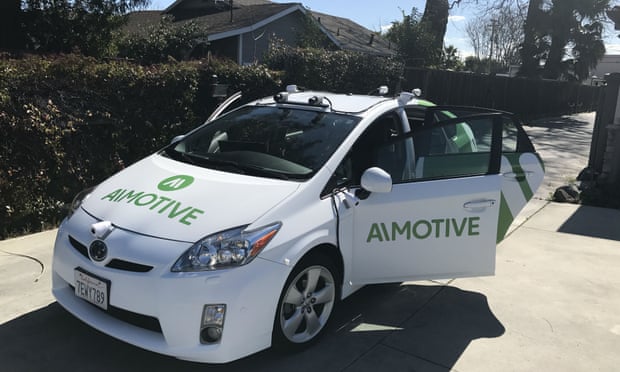
AImotive aims to convert regular cars into driverless ones inexpensively

The AImotive office is in a small converted house at the end of a quiet residential street in sunny Mountain View, spitting distance from Google’s headquarters. Outside is a branded Toyota Prius covered in cameras, one of three autonomous cars the Hungarian company is testing in the sleepy neighborhood. It’s a popular testing ground: one of Google’s driverless cars, now operating under spin-out company Waymo, zips past the office each lunchtime.

Continue reading… “AImotive aims to convert regular cars into driverless ones inexpensively”

Toyota’s driverless cars will be able to talk to each other in the future

lexus

Cars will be able to talk to each other to avoid accidents, merge onto highways and drive us to a destination we set on the GPS sometime in the near future. This type of technology is actually already on the roads across the world and will be rolling out in Australia over the next few years.

Continue reading… “Toyota’s driverless cars will be able to talk to each other in the future”

What do driverless cars mean for today’s automotive industry?

10559324515_c00454b00a_z

It has been confirmed, Apple is building its own autonomous car. With Apple’s entry, it’s clear. The automotive industry has opened up again. The manufacturers we’ve become so familiar with over the last century — Daimler, Ford, BMW, Volkswagen, Toyota, and General Motors — aren’t necessarily the vendors we’ll be thinking of in the future. Competition is increasingly going to come from tech firms like Tesla, Google, and Apple, each of whom is building towards a future of autonomous vehicles that are basically highly advanced computers on wheels.

Continue reading… “What do driverless cars mean for today’s automotive industry?”

What mobility will look like in 2025

future mobility 2

On any given morning in the year 2025, you’re running late for work, but your self-driving car senses you coming and gets ready to pick you up. Once you’re inside, it syncs with your mobile devices, calculates the least congested route, and finds someone else heading in the same direction, so your cars can link up to save space on the road. As the car drives, you catch up on email.


Continue reading… “What mobility will look like in 2025”

Discover the Hidden Patterns of Tomorrow with Futurist Thomas Frey
Unlock Your Potential, Ignite Your Success.

By delving into the futuring techniques of Futurist Thomas Frey, you’ll embark on an enlightening journey.

Learn More about this exciting program.