Quantum Computing Threatens Encryption: Chinese Researchers Crack RSA with D-Wave Technology

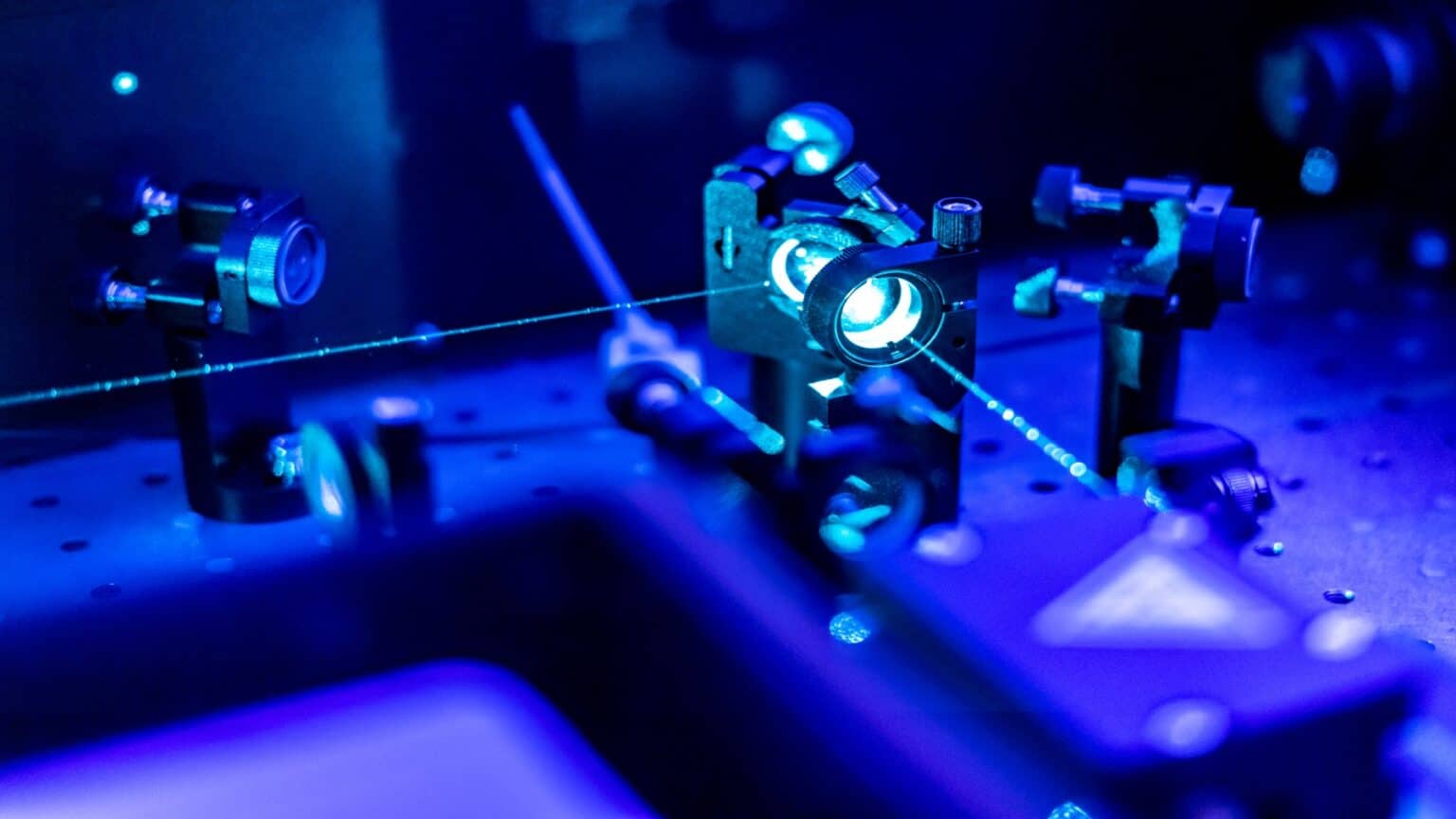
In a groundbreaking yet concerning development for global cybersecurity, Chinese researchers have demonstrated how quantum computing could accelerate the downfall of current encryption methods. Using D-Wave’s quantum annealing systems, the researchers have successfully cracked classic encryption techniques, potentially fast-tracking the timeline for when quantum computers could undermine the cryptographic systems that protect sensitive information worldwide.

The research, published in the Chinese Journal of Computers under the title “Quantum Annealing Public Key Cryptographic Attack Algorithm Based on D-Wave Advantage,” highlights how D-Wave’s quantum machines were able to break RSA encryption and launch attacks on symmetric encryption algorithms. These findings pose serious questions about the future of cybersecurity.

Continue reading… “Quantum Computing Threatens Encryption: Chinese Researchers Crack RSA with D-Wave Technology”



The Future of Water-Based Fuel: Is Hydrogen Being Left Behind?

Water has always been a source of life, but now, it’s set to power cars, reshaping the future of clean energy. While hydrogen has long been hailed as the primary clean fuel for the automotive sector, recent developments suggest that water-based fuel might take the lead. The introduction of the first water-powered car has sparked discussions among experts, with some even suggesting that this breakthrough could mark “the end of hydrogen” as the go-to clean fuel.

Electriq Global, an Australian-Israeli company, has developed a revolutionary fuel that is 60% water-based. Using innovative technology, Electriq extracts hydrogen from water and uses it to power vehicles, offering a cheap, clean, and safe fuel alternative. The potential impact on global energy consumption and the automotive industry is immense.

Continue reading… “The Future of Water-Based Fuel: Is Hydrogen Being Left Behind?”

A Breakthrough in Hydrogen Fuel: Splitting Seawater Without Corrosive Byproducts

Scientists have developed a groundbreaking method to split seawater into hydrogen fuel using electrodes, eliminating the production of harmful and corrosive chlorine gas that typically results from such processes. This innovative approach, spearheaded by California-based startup Equatic, in collaboration with ARPA-E, promises to generate clean hydrogen fuel without requiring pure water—making it a major step forward in sustainable energy.

Traditionally, hydrogen fuel is produced via electrolysis, a process in which water is split into hydrogen and oxygen using an electrolyzer. However, using seawater has been problematic due to the corrosive minerals and salts it contains. When seawater is subjected to electrolysis, these salts are separated, leading to the production of toxic chlorine gas, which corrodes the machine’s internal components and gums up its operations.

Continue reading… “A Breakthrough in Hydrogen Fuel: Splitting Seawater Without Corrosive Byproducts”

The Mind of Fungi: How Brainless Organisms Show Signs of Intelligence

Fungi are remarkable lifeforms that challenge conventional ideas of intelligence. Despite lacking brains, these organisms exhibit signs of decision-making and communication. But just how complex are they, and what insights can they provide into other forms of awareness? A team of researchers from Japan’s Tohoku University and Nagaoka College sought to explore these questions through an intriguing experiment on the cord-forming fungus Phanerochaete velutina. Their study, published in Fungal Ecology, reveals that fungi can “recognize” different spatial environments and adjust their growth strategies accordingly.

While fungi are often recognized by their aboveground mushrooms, these are merely the surface manifestation of a vast underground network known as mycelium. These intricate webs stretch for miles beneath the soil, capable of transmitting environmental information throughout the network. Yet, the growth of mycelium doesn’t appear random—it seems to follow a deliberate, calculated pattern.

Continue reading… “The Mind of Fungi: How Brainless Organisms Show Signs of Intelligence”

Photons Defy Time: New Quantum Study Shows Light Can Exit Before Entering

Quantum physics often challenges our understanding of reality, and a new study led by Daniela Angulo from the University of Toronto adds another mind-bending discovery to the mix: photons, the wave-particles of light, can seem to pass through a cloud of atoms in “negative” time, effectively appearing to exit a material before they even enter it.

Aephraim Steinberg, a physicist from the same university, shared this surprising result on X (formerly Twitter), after the team’s findings were uploaded to arXiv.org in early September. While not yet peer-reviewed, the study reveals that photons interacting with a cloud of ultracold rubidium atoms can appear to spend a negative amount of time in the excited state—a phenomenon that defies conventional expectations.

Continue reading… “Photons Defy Time: New Quantum Study Shows Light Can Exit Before Entering”

Challenging the Dark Matter Mystery: New Theory Proposes Gravity Without Mass

For nearly a century, dark matter—a mysterious substance believed to account for most of the universe’s mass—has baffled scientists. First hypothesized by Dutch astronomer Jan Oort in 1932 to explain the unseen mass necessary for galaxies to remain intact, dark matter has remained elusive, with no direct detection despite decades of research. However, a recent study by Dr. Richard Lieu of The University of Alabama in Huntsville (UAH) proposes a groundbreaking alternative that could shift our understanding of cosmic forces.

In his paper, published in the Monthly Notices of the Royal Astronomical Society, Dr. Lieu introduces a revolutionary theory suggesting that gravity might exist without the presence of mass. If correct, this theory could explain certain gravitational phenomena without the need for dark matter.

Continue reading… “Challenging the Dark Matter Mystery: New Theory Proposes Gravity Without Mass”

Venus Aerospace Unveils Revolutionary Hypersonic Engine for High-Speed Flight

When is an empty tube not just an empty tube? When it’s a ramjet utilizing cutting-edge rotating detonation technology to propel aircraft at hypersonic speeds. This is precisely the innovation behind Venus Aerospace’s new engine—the Venus Detonation Ramjet 2000 lb Thrust Engine (VDR2).

Hypersonic flight, defined by speeds exceeding Mach 5, faces significant challenges, especially in designing engines capable of sustained thrust. While current hypersonic systems primarily rely on glide bodies that are boosted to extreme altitudes by rockets, achieving consistent, high-speed flight requires something more akin to a jet engine. Venus Aerospace’s VDR2 seeks to bridge this gap.

Continue reading… “Venus Aerospace Unveils Revolutionary Hypersonic Engine for High-Speed Flight”

South Korea Deploys World’s First Laser Weapons System in “Star Wars Project”

South Korea has made history by becoming the first nation to deploy a laser weapons system, known as the “Star Wars Project” or officially, “Block-I.” This innovative defense system, developed by Hanwha Aerospace, was unveiled by the Defense Acquisition Program Administration (DAPA) as part of a broader strategy to neutralize threats, including North Korean drones. With plans to expand its capabilities to space, this marks a new era in unmanned weapons systems.

In July 2024, DAPA confirmed the mass production of the Star Wars laser system, aimed at defending South Korea from North Korean drone incursions. The laser system fires invisible and silent beams, relying solely on electricity and requiring no ammunition. Each shot costs approximately $1.45 (2,000 won), making it a highly economical option compared to traditional weapons. Using fiber optic cables, the system generates laser beams of about 700°C (1292°F), powerful enough to melt drones and disable their engines.

Continue reading… “South Korea Deploys World’s First Laser Weapons System in “Star Wars Project””

Revolutionizing Energy Harvesting: New Organic Thermoelectric Device Works at Room Temperature

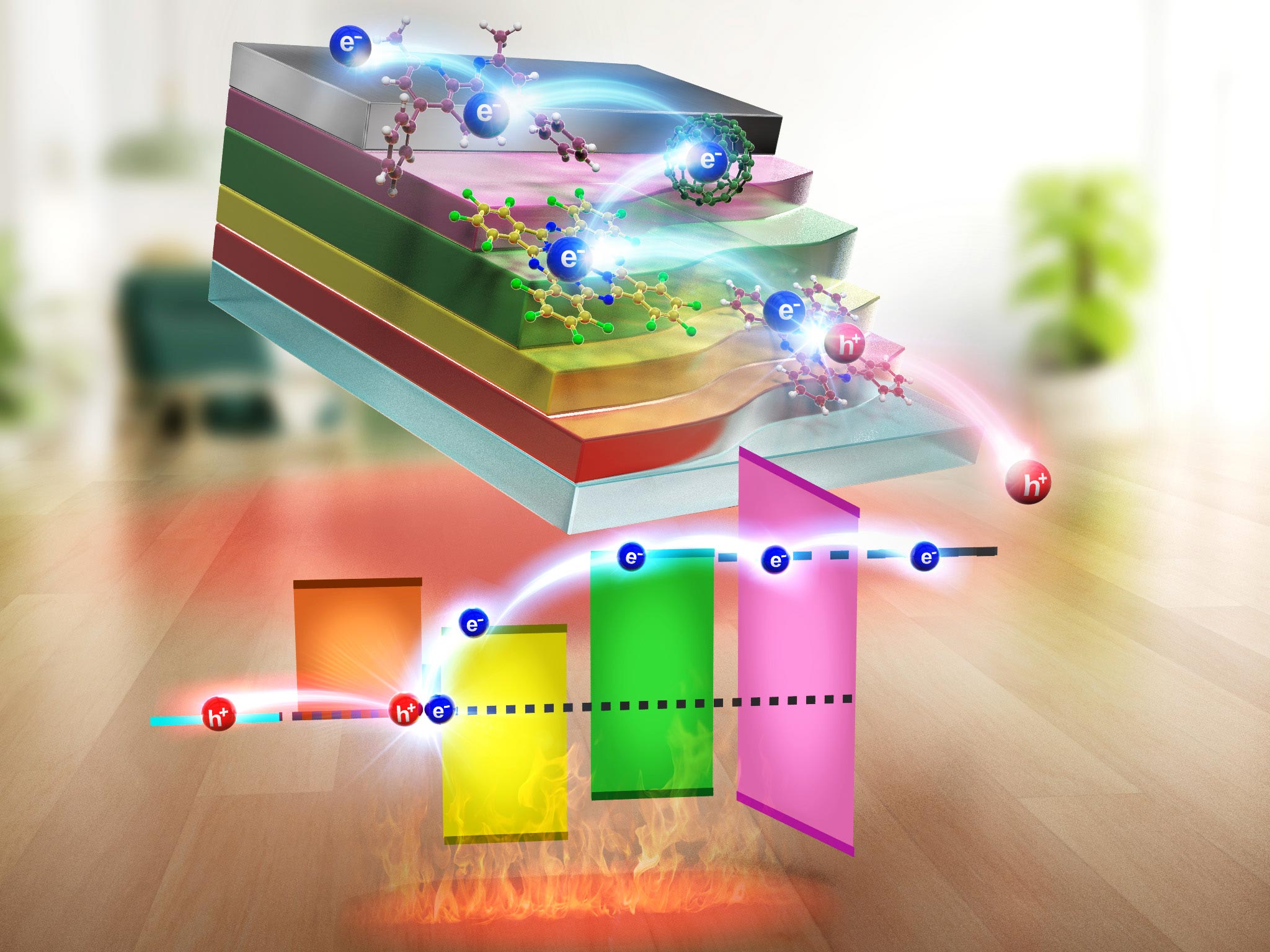
A groundbreaking organic thermoelectric device has been developed, capable of generating energy at room temperature without requiring a temperature gradient. This innovation, which utilizes the unique properties of organic compounds, could transform energy harvesting methods, making it possible to efficiently capture energy from ambient temperatures. The team’s findings were published on September 19 in Nature Communications.

Thermoelectric devices are known for their ability to convert heat into electricity when a temperature gradient exists. These devices have gained attention for their potential to capture waste heat from industrial processes and energy systems. The most well-known applications of thermoelectric generators include powering space probes, such as NASA’s Mars Curiosity rover and Voyager probe, where heat from radioactive isotopes creates the temperature gradient needed to generate electricity. However, the widespread use of these devices has been limited by high production costs, hazardous materials, low energy efficiency, and the requirement for elevated temperatures.

Continue reading… “Revolutionizing Energy Harvesting: New Organic Thermoelectric Device Works at Room Temperature”

e-con Systems Unveils Cutting-Edge Camera Solutions for Robotics at VISION 2024

Cameras are rapidly advancing for various robotics applications, and e-con Systems is at the forefront of this technological evolution. At the upcoming VISION 2024 event in Stuttgart, Germany, the company will showcase its latest camera systems, designed to optimize performance across industries such as agriculture, medical, retail, industrial, and smart cities.

Since 2003, e-con Systems has been designing, developing, and manufacturing OEM cameras tailored to specific industry needs. Its diverse portfolio includes time-of-flight (ToF) cameras, MIPI camera modules, GMSL cameras, USB 3.1 Gen 1 cameras, stereo cameras, GigE cameras, and low-light cameras. These advanced systems are embedded in over 350 customer products worldwide.

Continue reading… “e-con Systems Unveils Cutting-Edge Camera Solutions for Robotics at VISION 2024”

Revolutionary Origami Sensors Detect Disease in Wastewater Using Mobile Phones

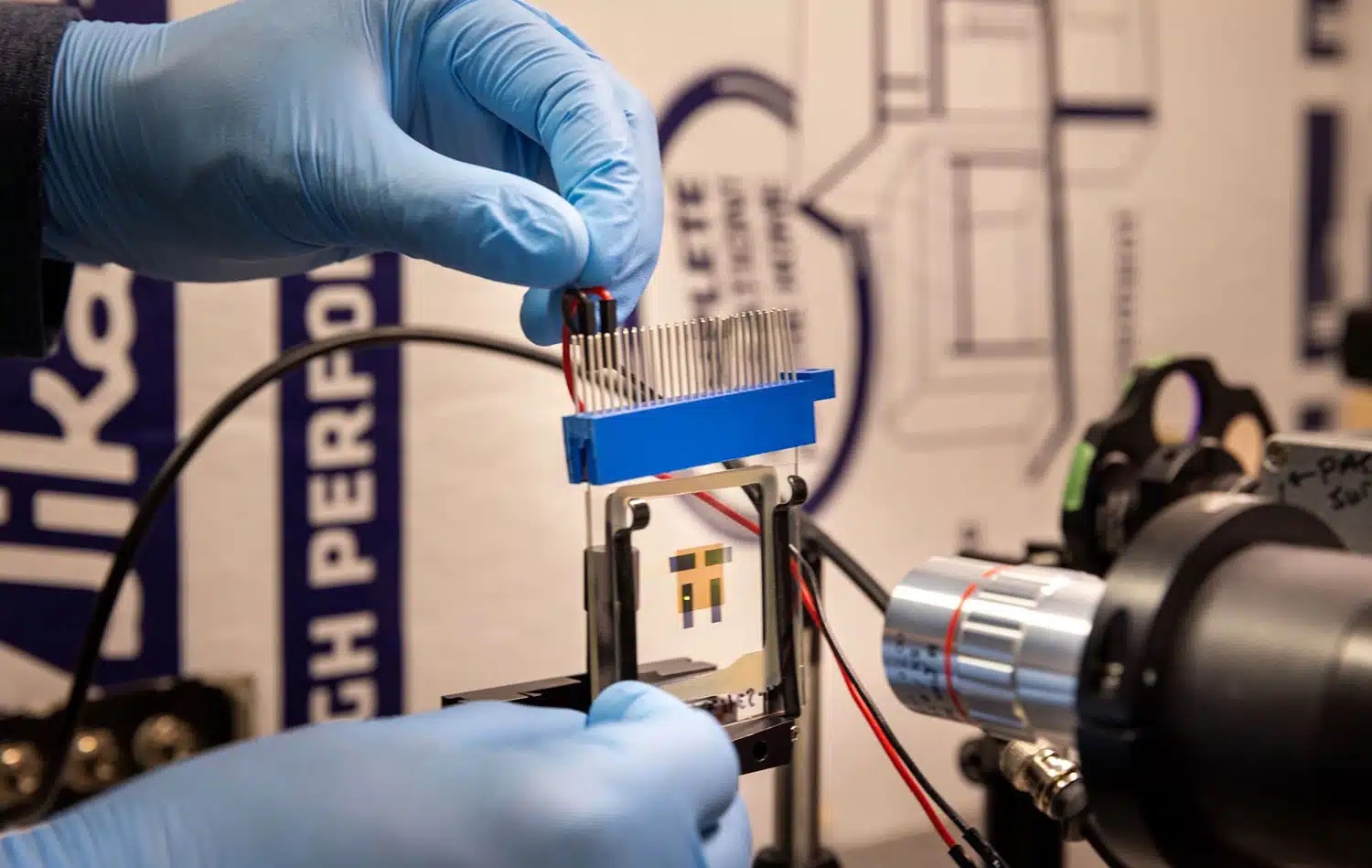
Scientists at Cranfield University have developed an innovative, low-cost method for detecting disease biomarkers in wastewater using origami-paper sensors. These sensors, which can be analyzed with a simple mobile phone camera, promise to transform public health strategies, particularly in response to pandemics.

“This method is evidence-based, simple, and cheap, without needing to take samples from individuals,” said Zhugen Yang, Professor of Biosensing and Environmental Health at Cranfield University and lead author of the study. “Testing one sample will cover many people’s information in the population, making it easier to understand infectious disease trends and improve prevention methods.”

Continue reading… “Revolutionary Origami Sensors Detect Disease in Wastewater Using Mobile Phones”

Revolutionary OLED Technology Could Replace Night Vision Goggles and Enhance Computer Vision

Organic light-emitting diodes (OLEDs) are already a dominant force in the mobile display market and are rapidly expanding into lighting, automotive, and wearable technologies. Now, researchers at the University of Michigan have developed a breakthrough OLED device that could replace bulky night vision goggles with lightweight glasses. This innovation could make night vision technology more practical, cost-effective, and suitable for extended use. Moreover, the new OLEDs exhibit a unique “memory effect” that could lead to advanced computer vision systems capable of both sensing and interpreting incoming light and images.

Current night vision systems rely on image intensifiers that convert near-infrared light into electrons, which then pass through a vacuum and multiply, ultimately striking a phosphor screen to produce visible light. While effective, these systems are heavy, require high voltage, and rely on cumbersome components.

Continue reading… “Revolutionary OLED Technology Could Replace Night Vision Goggles and Enhance Computer Vision”