KIMS Team Develops World’s First Ultra-Thin Composite Material for Superior Electromagnetic Wave Absorption

A groundbreaking advancement in electromagnetic shielding has been made by a research team led by Dr. Byeongjin Park and Dr. Sang Bok Lee at the Korea Institute of Materials Science (KIMS). They have developed the world’s first ultra-thin film composite material that absorbs over 99% of electromagnetic waves across a wide range of frequency bands, including 5G/6G, WiFi, and autonomous driving radar— all from a single material.

This revolutionary material, measuring less than 0.5 mm thick, features an extraordinary reflectance of under 1% and an impressive absorbance rate of over 99% across three distinct frequency bands. The ability to absorb such a wide spectrum of electromagnetic waves simultaneously is a major breakthrough, addressing a range of technological challenges in electronic devices.

Continue reading… “KIMS Team Develops World’s First Ultra-Thin Composite Material for Superior Electromagnetic Wave Absorption”


Boring Company Nears Completion of “Cybertunnel” at Giga Texas Facility

In a recent video update shared by drone pilot and Giga Texas observer Brad Sloan, workers can be seen painting the interior walls of the Boring Company’s much-anticipated underground “Cybertunnel” beneath the 130 Highway at the Austin, Texas factory. Construction on the tunnel, which began in March, is approaching completion, and Elon Musk has previously indicated that the tunnel will be used to transport Cybertrucks from the factory to the outbound lot, where they will then be picked up by hauling trucks for shipping.

Sloan’s video also highlights several other key developments around the Giga Texas facility, including the installation of more glass panels and tests of the water cooling towers intended to support the site’s supercomputing cluster, known as Cortex. These cooling towers are essential for maintaining the optimal performance of the factory’s advanced computing infrastructure.

Continue reading… “Boring Company Nears Completion of “Cybertunnel” at Giga Texas Facility”

Rwanda Researchers Discover Tree Species That Could Provide Clean Electricity for Rural Communities

Scientists from the Rwanda Forestry Authority have identified two types of trees that hold the potential to generate clean electricity, offering a sustainable energy solution for remote communities. This discovery could play a key role in Rwanda’s goal of achieving universal electricity access by 2030.

Despite significant progress in electrification, rural areas in Rwanda continue to face challenges with limited access to power. In response, researchers are exploring ways to produce electricity from biomass derived from sustainably cultivated plants. They are studying the energy potential of various tree species to find alternatives to conventional energy sources.

Continue reading… “Rwanda Researchers Discover Tree Species That Could Provide Clean Electricity for Rural Communities”

New Findings in Magnetism of Kagome Magnets Could Propel Quantum Computing and Superconductor Technologies

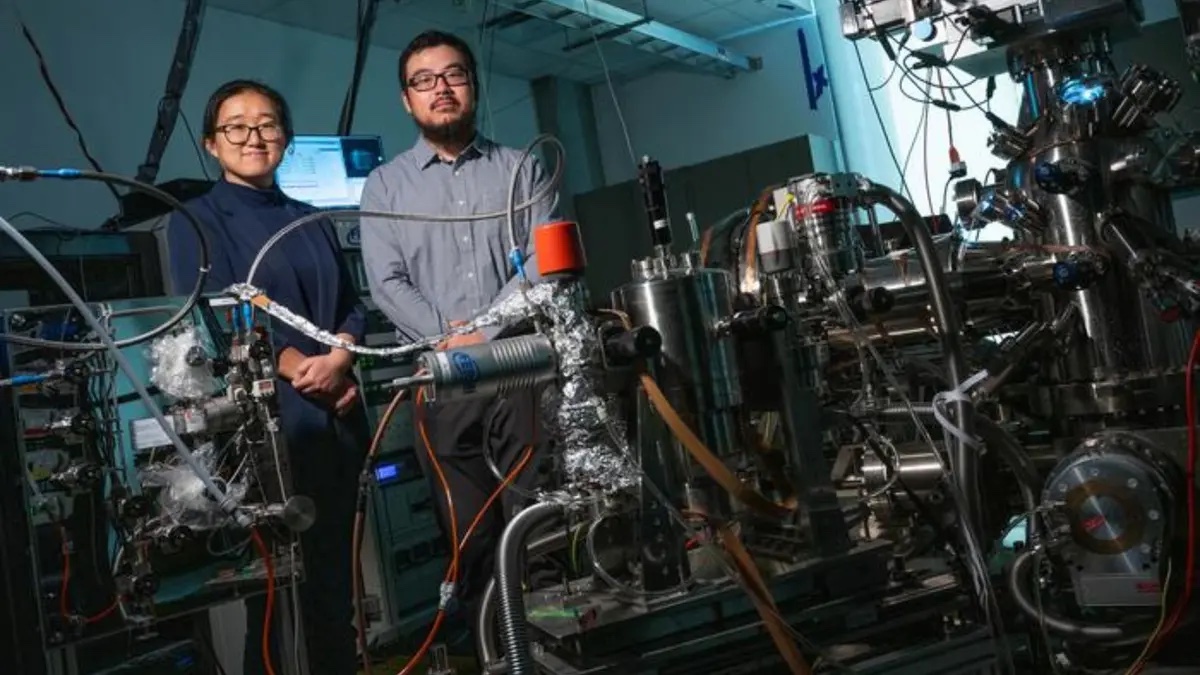
Researchers at Rice University have unveiled groundbreaking insights into magnetism and electronic interactions within advanced materials, potentially revolutionizing fields like quantum computing and high-temperature superconductors. Their study of iron-tin (FeSn) thin films has shifted the understanding of kagome magnets, which are structured in a pattern inspired by traditional Japanese basket weaving. The team discovered that FeSn’s magnetic properties are driven by localized electrons, rather than the previously believed mobile electrons—a revelation that could alter how scientists approach materials in quantum technology.

Despite these advancements, challenges remain in observing magnetic splitting at higher temperatures in kagome magnets. However, in a key development, the team was able to create high-quality FeSn thin films and analyze their electronic structure using a combination of molecular beam epitaxy and angle-resolved photoemission spectroscopy. Their findings showed that the kagome flat bands remained split even at elevated temperatures, a sign that localized electrons drive the material’s magnetic properties. This discovery underscores the complex role electron correlation plays in shaping magnetic behaviors in kagome structures.

Continue reading… “New Findings in Magnetism of Kagome Magnets Could Propel Quantum Computing and Superconductor Technologies”

Japanese Scientists Engineer Hybrid Cells with Plant-Like Photosynthesis in Groundbreaking Study

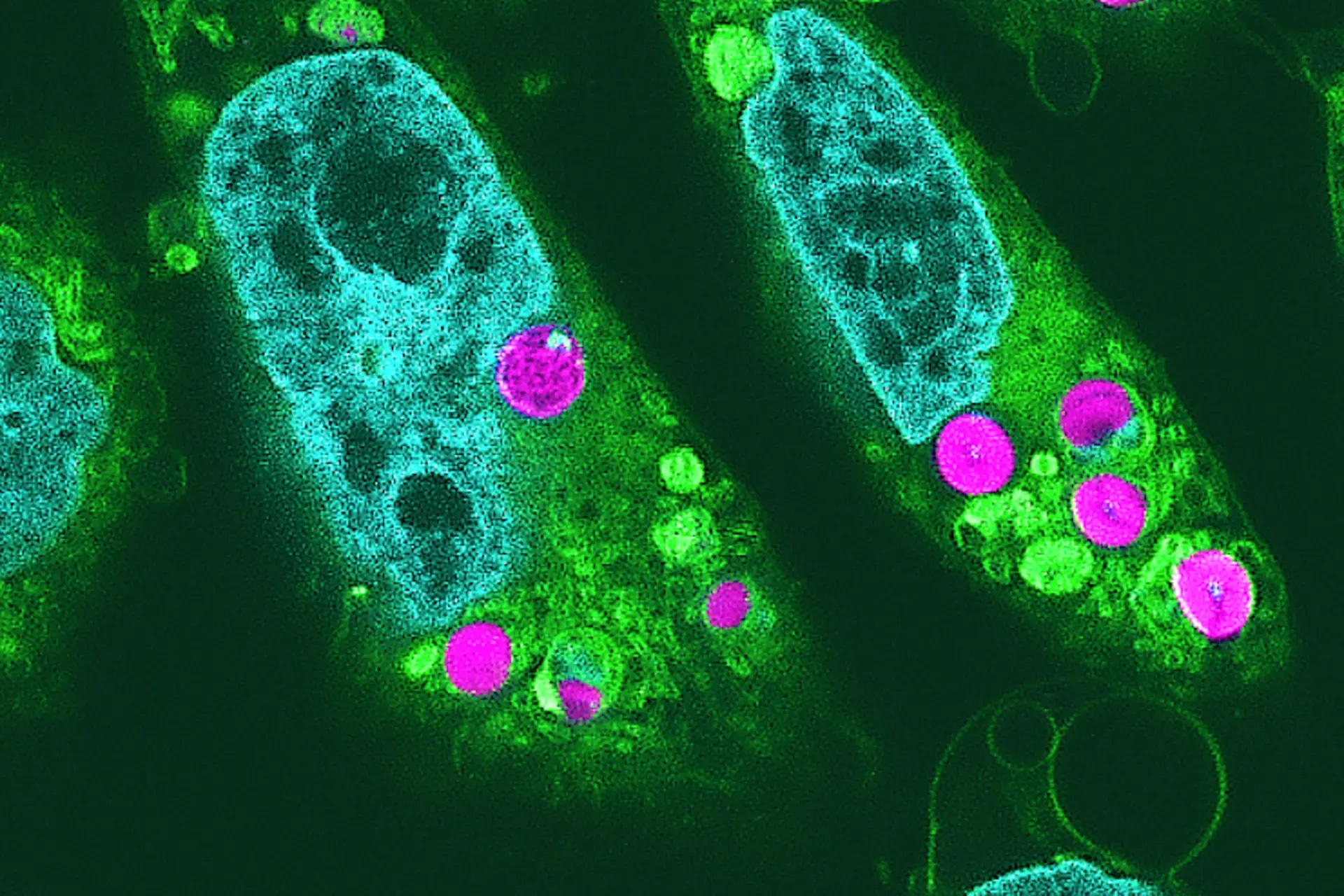
Japanese scientists have successfully created hybrid cells that combine animal and plant traits, allowing animal cells to produce energy from sunlight through photosynthesis. This novel approach, led by researchers at the University of Tokyo, could have transformative implications for creating lab-grown tissues, organs for transplants, and even cultivated meat.

In living organisms, animal cells rely on mitochondria to convert chemical energy from food into usable energy. Plant cells, however, use chloroplasts to perform photosynthesis, converting sunlight into cellular energy. In this study, the team introduced chloroplasts from red algae into cultured hamster cells, enabling them to perform photosynthesis—a feat previously achieved only in yeast, a fungus, but never before in animal cells.

Continue reading… “Japanese Scientists Engineer Hybrid Cells with Plant-Like Photosynthesis in Groundbreaking Study”

Inspired by Birds, Princeton Engineers Develop Advanced Multi-Row Wing Flaps to Improve Aircraft Performance and Safety

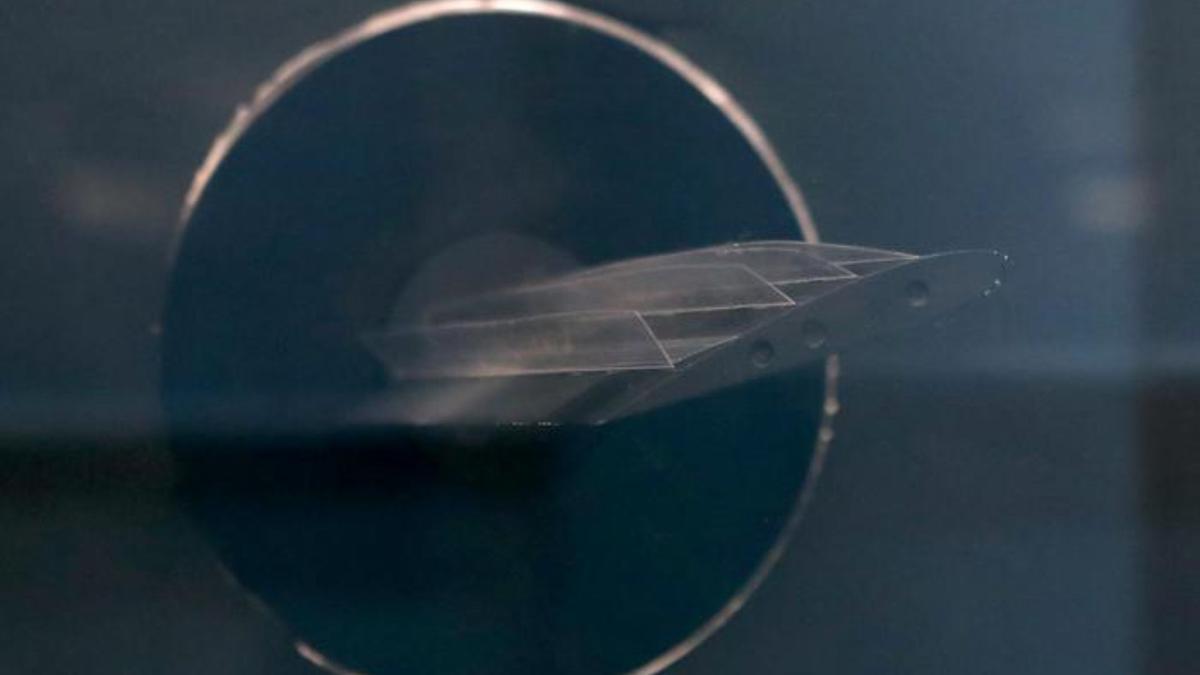
Researchers at Princeton University’s School of Engineering have looked to nature—specifically, birds—to enhance flight safety and efficiency in aircraft. Inspired by the covert feathers birds use for precise maneuvers, the team has designed multi-row flaps that deploy automatically to prevent aircraft from stalling.

Birds rely on covert feathers during complex aerial movements, like landing in high winds, to improve control and stability. While engineers have long used single-row flaps in aircraft to improve lift, they haven’t explored multi-row configurations that mimic how birds manage airflow in response to environmental changes. Assistant Professor Aimy Wissa and her team focused on the aerodynamics of deploying multiple rows of flaps and how this design could improve flight performance.

Continue reading… “Inspired by Birds, Princeton Engineers Develop Advanced Multi-Row Wing Flaps to Improve Aircraft Performance and Safety”

China Unveils World’s Most Powerful Hydraulic Cylinder, Marking Breakthrough in Marine Engineering

China has introduced the world’s most powerful hydraulic cylinder for marine pile driving, a remarkable technological feat unveiled in Changzhou, Jiangsu province. With a record-breaking maximum thrust of 5,000 tons—enough to lift 1,000 adult African elephants—the cylinder represents a significant advance in China’s engineering capabilities, according to reports from local media.

Designed by the state-owned China Communications Construction Company (CCCC), this hydraulic powerhouse stands 92 feet tall and measures 6.5 feet in diameter, roughly the height of a ten-story building. The SCMP reported that this massive cylinder will serve as the central “heart” of a 150-meter pile-driving vessel currently under construction, positioning China as a leader in marine engineering technology and reducing dependence on imported components.

Continue reading… “China Unveils World’s Most Powerful Hydraulic Cylinder, Marking Breakthrough in Marine Engineering”

Unlocking the Secrets of Ancient Roman Concrete: A Self-Healing Formula for Modern Strength

Ancient Roman structures built with concrete have withstood centuries, inspiring researchers to uncover the secret behind their resilience. Unlike today’s Portland cement-based concrete, Roman concrete is known for its incredible durability and even a self-healing ability. This strength has led scientists to seek ways to replicate it, hoping to craft stronger, more sustainable materials for modern use.

Portland cement, developed in the 19th century, is the basis of today’s concrete, but it lacks the robustness of Roman concrete and has a high environmental cost due to its complex production process. Engineers are now exploring concrete alternatives that reduce or eliminate the use of traditional cement.

Continue reading… “Unlocking the Secrets of Ancient Roman Concrete: A Self-Healing Formula for Modern Strength”

KAIST Unveils WalkON Suit F1: A Wearable Robot for Paralyzed Individuals with Self-Walking Assistance

Researchers at the Korea Advanced Institute of Science and Technology (KAIST) have developed an advanced wearable robot, the WalkON Suit F1, designed to provide greater independence for individuals with paraplegia. Announced on October 24, this new version allows users to put on the suit directly from their wheelchairs without needing help from others.

The WalkON Suit series, under development since 2015, targets individuals with the most severe form of paralysis, classified as ASIA Impairment Scale – A (complete paralysis). Unlike other rehabilitation and strength-assisting robots in use, the WalkON Suit F1 is designed specifically to aid independent mobility for people with paraplegia.

Continue reading… “KAIST Unveils WalkON Suit F1: A Wearable Robot for Paralyzed Individuals with Self-Walking Assistance”

SpinLaunch: Revolutionizing Satellite Launches with Kinetic Energy

A California-based company, SpinLaunch, is turning heads with its groundbreaking satellite launch system, capturing the imagination of space enthusiasts and even Punkin Chunkin fans. SpinLaunch’s innovative approach uses a massive rotating arm to hurl satellites into low Earth orbit, eliminating the need for traditional rocket fuel and relying solely on electricity.

The company has already achieved multiple successful test launches. “This is not a rocket, and clearly our ability to perform this many tests within 11 months, all functioning as planned, really showcases the power of our technology,” said Jonathan Yaney, founder and CEO of SpinLaunch, in a 2022 interview with Space.com after the company’s 10th successful test launch. SpinLaunch aims to deploy satellite constellations into orbits below 600 miles by 2026.

Continue reading… “SpinLaunch: Revolutionizing Satellite Launches with Kinetic Energy”

UCL Sets New Wireless Transmission Speed Record, Paving the Way for Faster Networks

Researchers from University College London (UCL) have shattered the world record for wireless transmission speed, marking a significant step toward faster, more reliable wireless communication. The UCL team successfully transmitted data over the air at an astonishing speed of 938 Gigabits per second (Gb/s) across a frequency range of 5-150 Gigahertz (GHz). This speed is nearly 9,380 times faster than the current average 5G download speed in the UK, which stands at around 100 Megabits per second (Mb/s). The breakthrough comes with a total bandwidth of 145GHz, more than five times the previous world record.

Currently, wireless networks transmit data using a narrow range of radio frequencies, typically below 6GHz. This has led to congestion and limited the speed of wireless communication technologies such as Wi-Fi and 5G. The UCL team, however, overcame this bottleneck by utilizing a much wider range of frequencies, combining both radio and optical technologies for the first time.

Continue reading… “UCL Sets New Wireless Transmission Speed Record, Paving the Way for Faster Networks”

Nuclear Power’s Role in Revolutionizing Data Centers with Microreactors

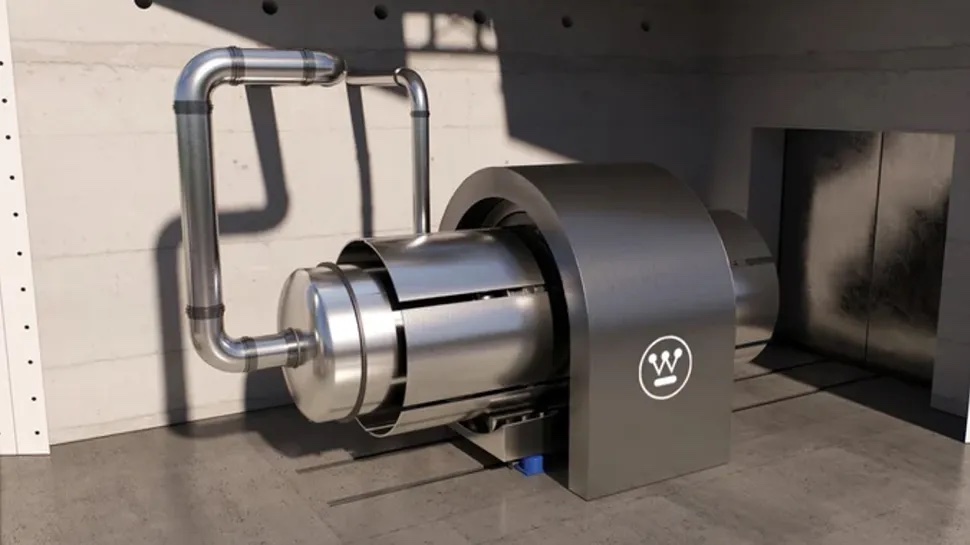
As artificial intelligence drives exponential growth in data demand, nuclear power is emerging as a key player in revolutionizing energy supply for data centers. Tech giants like Oracle and Microsoft, alongside influential figures such as Bill Gates, have begun exploring nuclear energy solutions. In a notable move, Microsoft has secured an agreement to purchase power from the Three Mile Island reactor, signaling a shift toward clean, reliable energy sources for its data operations.

One of the most promising developments in this field is the advent of micro nuclear reactors. These compact reactors offer a safe, sustainable, and efficient way to meet the growing energy needs of data centers and other industries. Companies like Nano Nuclear Energy are making strides in this area, aiming to deliver commercial microreactors by the early 2030s, with prototypes expected as soon as 2027.

Continue reading… “Nuclear Power’s Role in Revolutionizing Data Centers with Microreactors”