Scientists Store Human Genome on 5D Memory Crystal: A Data Storage Revolution for Billions of Years

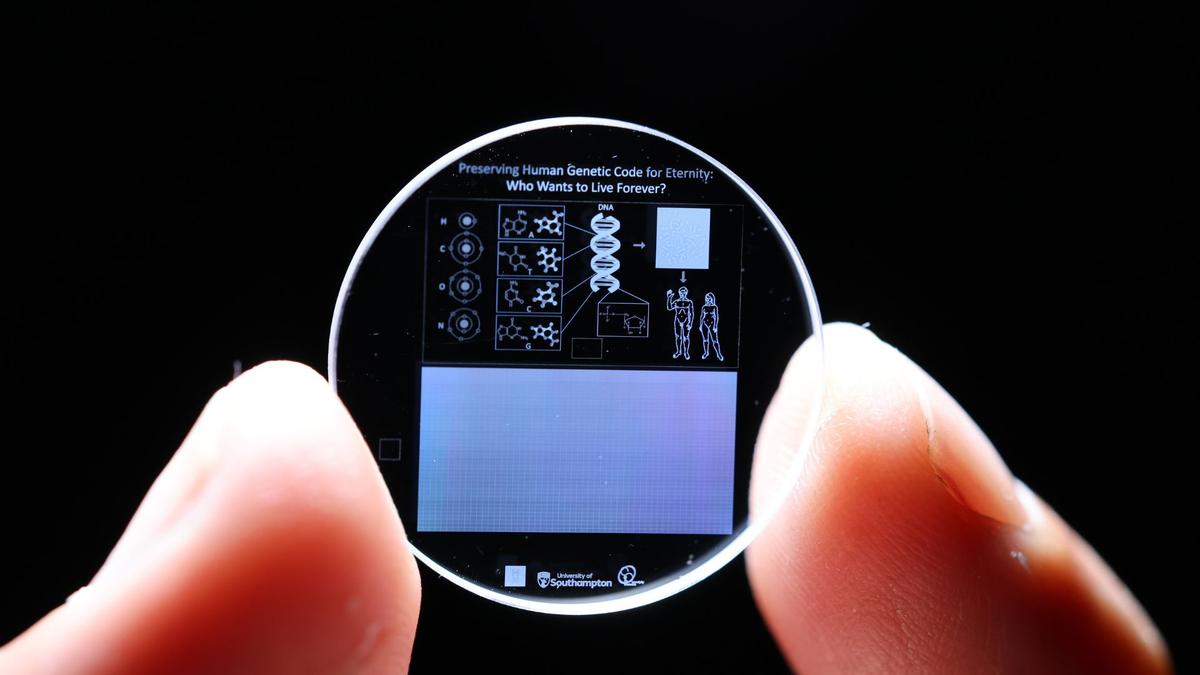
Researchers at the University of Southampton have achieved a groundbreaking milestone by storing the entire human genome on a 5D memory crystal, a technological advancement that could preserve data for billions of years. This development opens the door for future science to potentially revive humanity—or other species—from extinction, should such technology become feasible.

The 5D memory crystal, developed by the University’s Optoelectronics Research Centre (ORC), has the potential to create a permanent repository for the genomic information of endangered species, including plants and animals. “The 5D memory crystal allows us to envision an enduring archive of genomic data,” explained Professor Peter Kazansky, lead researcher in optoelectronics. “In the future, it might be possible to restore complex organisms if the necessary scientific advancements occur.”

Continue reading… “Scientists Store Human Genome on 5D Memory Crystal: A Data Storage Revolution for Billions of Years”
Revolutionizing Data Storage: DNA-Based Computing Systems Take a Major Leap Forward

For billions of years, deoxyribonucleic acid (DNA) has served as nature’s ultimate data storage system, encoding the instructions for life itself. Now, engineers are harnessing the power of DNA for a new purpose—creating synthetic systems that function as biological computers. Until recently, these systems have struggled to store and process data simultaneously. However, groundbreaking research has shown that it’s possible to design a DNA-based system capable of performing a full range of computing tasks while storing information.

Researchers from North Carolina State University (NC State) and Johns Hopkins University have developed a novel nucleic acid scaffold that serves as both a data storage medium and a biological computing system. This breakthrough enables DNA to handle key computing functions, including storing, reading, erasing, moving, and rewriting data—all in programmable, repeatable ways, much like a traditional electronic computer.

Continue reading… “Revolutionizing Data Storage: DNA-Based Computing Systems Take a Major Leap Forward”

Bio-Inspired Cement Paste Offers Groundbreaking Strength and Crack Resistance

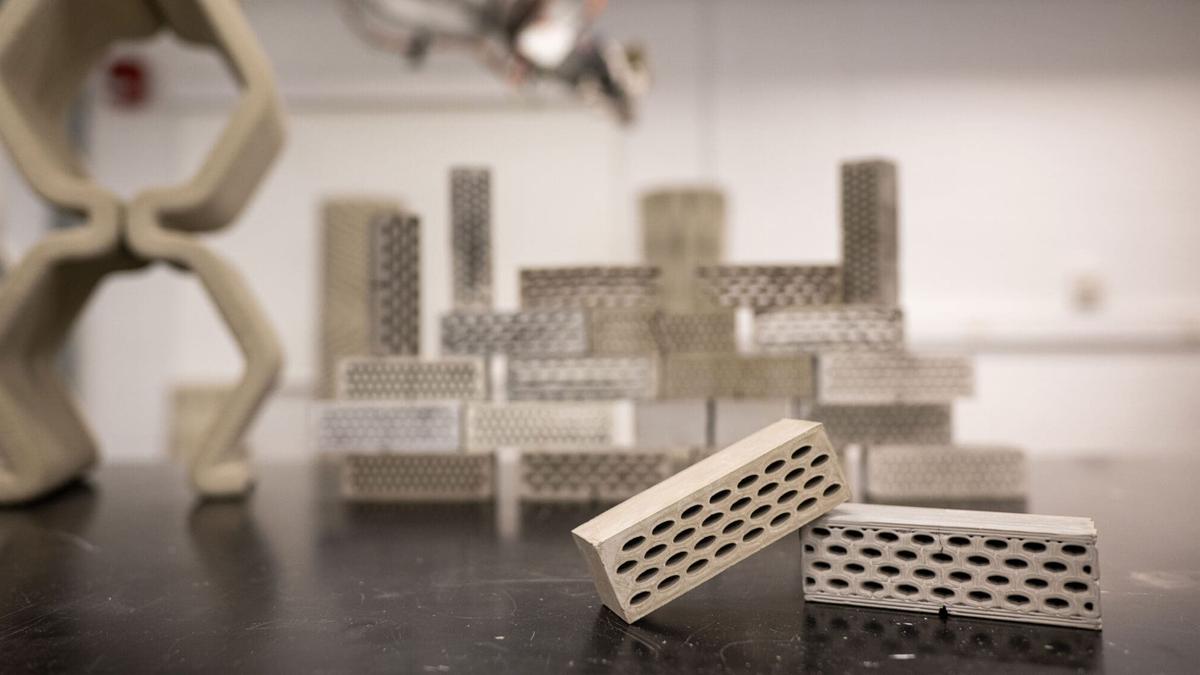
Researchers at Princeton University have developed a revolutionary cement paste that is 5.6 times stronger than traditional cement, mortar, and other common construction materials. This breakthrough material draws inspiration from the tubular structure of human cortical bone, which forms the outer layer of the femur (thigh bone). By mimicking this biological architecture, the new cement paste dramatically improves its resistance to cracks and enhances its ability to deform under pressure without sudden failure.

According to the researchers, “Cement paste deployed with a tube-like architecture can significantly increase resistance to crack propagation and improve the ability to deform without sudden failure.” This innovative design offers the potential to replace plastic and fiber-reinforced cement-based materials in the construction industry.

Continue reading… “Bio-Inspired Cement Paste Offers Groundbreaking Strength and Crack Resistance”

Silk and Graphene-Based Tunable Transistors Pave the Way for Biodegradable Electronics

An international team of researchers has developed tunable transistors using silk and graphene, offering a potential solution to the growing problem of electronic waste. Tunable transistors are crucial components in electronic devices, allowing circuits to adjust their performance in real-time based on changing conditions such as signal strength or environmental factors. These components are found in devices ranging from smartphones to quantum computing systems, but they are traditionally made from non-biodegradable materials like silicon, contributing to e-waste.

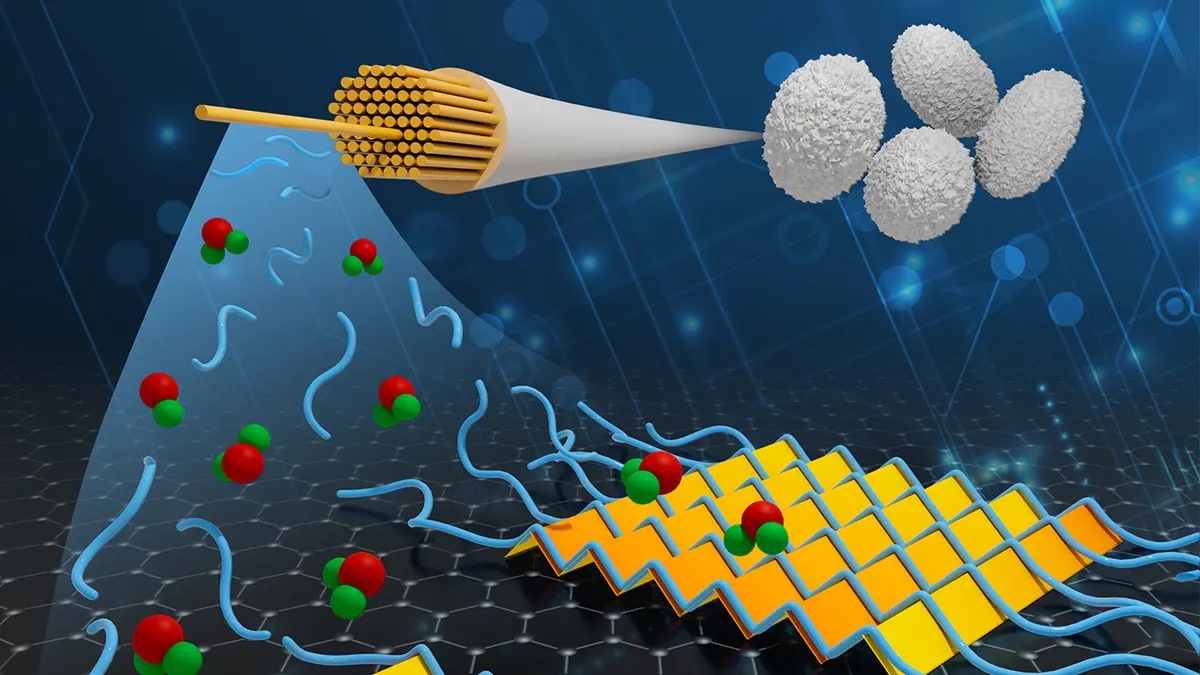
In their latest study, the researchers demonstrated how silk can be used to create biodegradable electronic devices. Silk’s durability and strength have long made it an appealing material for high-tech applications, but its naturally disordered protein structure has posed challenges for use in electronics.

Continue reading… “Silk and Graphene-Based Tunable Transistors Pave the Way for Biodegradable Electronics”

Revolutionizing Pollution Control: AI and Robots Power the Development of Photocatalysts

Human activities release a wide range of pollutants into the air, water, and soil, posing serious threats to both human health and the environment. According to the World Health Organization, air pollution alone is responsible for an estimated 4.2 million deaths annually. In response, scientists are exploring innovative solutions, including a class of materials known as photocatalysts. When exposed to light, these materials trigger chemical reactions that can break down common toxic pollutants, offering a promising method to reduce pollution.

As a researcher in materials science and engineering at the University of Tennessee, I am working alongside my colleagues to develop new photocatalysts. With the help of robots and artificial intelligence, we are aiming to design materials that can efficiently mitigate air pollution.

Continue reading… “Revolutionizing Pollution Control: AI and Robots Power the Development of Photocatalysts”

Pushing the Boundaries of Computing Speed: How Light Antennas Could Revolutionize Computer Chips

As modern computers approach their physical limits, semiconductor components currently operate at maximum frequencies of just a few gigahertz, performing billions of computing operations per second. To maintain performance, systems often rely on multiple chips to distribute tasks, as the speed of individual chips cannot be further increased. However, a game-changing leap in speed could be achieved if photons (light) were used instead of electrons (electricity) in computer chips, potentially making them up to 1000 times faster.

A promising approach to unlocking this leap in speed is through plasmonic resonators, often called “antennas for light.” These nanometer-sized metal structures allow for interaction between light and electrons, and their performance can vary depending on their geometry. “The challenge,” says Dr. Thorsten Feichtner, a physicist at Julius-Maximilians-Universität (JMU) Würzburg in Germany, “is that plasmonic resonators cannot yet be modulated effectively, unlike transistors in conventional electronics. This limitation prevents the development of fast, light-based switches.”

Continue reading… “Pushing the Boundaries of Computing Speed: How Light Antennas Could Revolutionize Computer Chips”

Electroninks Introduces World’s First Commercial Copper MOD Ink, Revolutionizing Additive Manufacturing

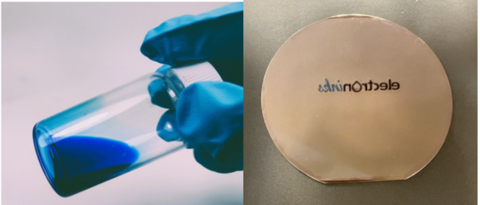
Electroninks, an Austin-based leader in metal organic decomposition (MOD) inks for additive manufacturing (AM) and semiconductor packaging, has unveiled what it claims to be the world’s first commercially available copper MOD ink. This breakthrough ink is generating buzz, particularly for its application in “seed layer printing,” a process where ultra-thin metal layers are deposited onto a substrate, streamlining subsequent plating procedures.

One of the most promising applications for seed layer printing is in solar cells. Electroninks asserts that its copper ink significantly outperforms traditional methods like electroless (e-less) copper plating and physical vapor deposition (PVD), by using far less water and energy. This advancement not only enhances the sustainability of production but also reduces capital expenditures (CAPEX) for manufacturers, making the production of components more efficient and cost-effective.

Continue reading… “Electroninks Introduces World’s First Commercial Copper MOD Ink, Revolutionizing Additive Manufacturing”

Smart Streets: How Utah’s New Tech is Revolutionizing Traffic and Safety

Utah transportation officials have introduced cutting-edge technology that allows vehicles to communicate with traffic lights and each other, a development set to transform traffic flow, reduce congestion, and prevent accidents. This initiative, part of the “Connect the West” project, is supported by a $20 million federal grant and has already begun showing results.

The first milestone of the initiative was achieved by installing radio transmitters in city buses, enabling them to request extended green lights by a few seconds. This small change has already improved traffic flow on these newly designated “smart streets.” These advancements are just the beginning of a series of high-tech upgrades expected to be implemented on U.S. roads in the near future.

Continue reading… “Smart Streets: How Utah’s New Tech is Revolutionizing Traffic and Safety”

Revolutionary EPR Chip Could Transform Food Quality Testing and More

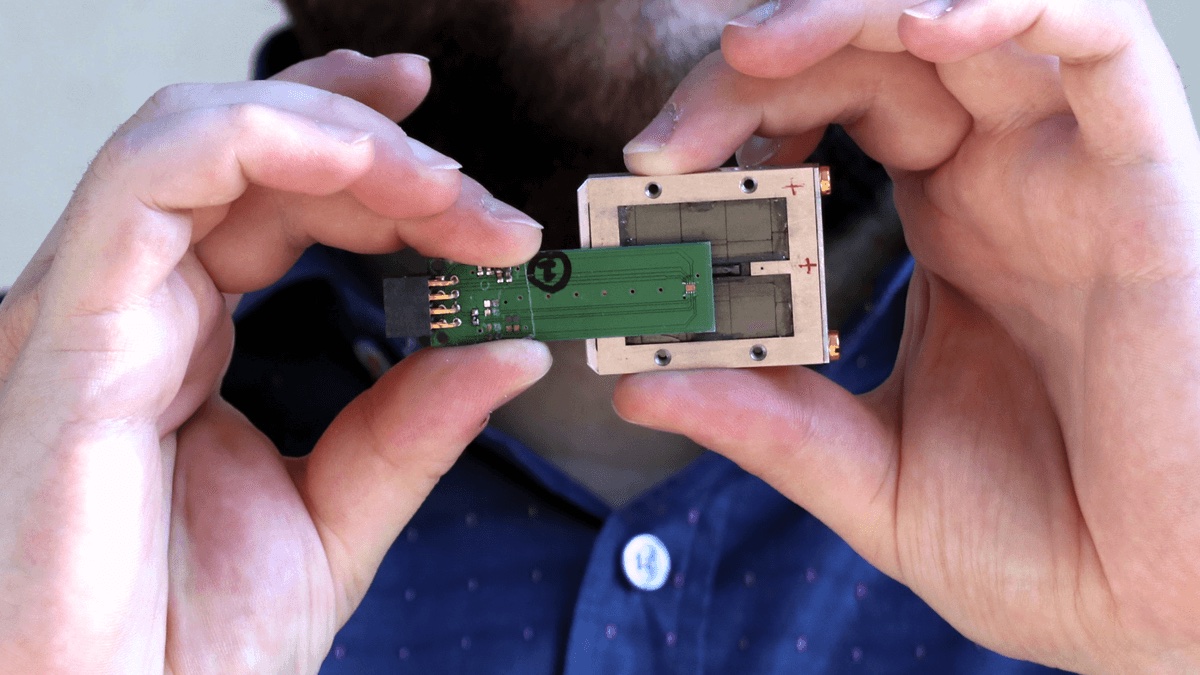
Researchers have developed a groundbreaking electron paramagnetic resonance (EPR) sensor that fits on a microchip, enabling the detection of free radicals in food products even at extremely low concentrations. This innovative “EPR on a chip” (ERPoC) sensor, created by teams from Helmholtz-Zentrum Berlin (HZB) and the University of Stuttgart, is portable, affordable, and small enough to be tailored to specific industry needs. Initially, it will be used to monitor the quality of olive oil and beer.

“We are designing small, portable, and cost-effective EPR devices by integrating a microchip with permanent magnets, customized for various applications,” says Michele Segantini, a physicist from HZB who is nearing the completion of his PhD under Prof. Klaus Lips. Free radicals, highly reactive molecules that indicate spoilage, are difficult to detect. Traditional methods for detecting these molecules in food products require expensive EPR machines that are large and power-hungry, limiting their use.

Continue reading… “Revolutionary EPR Chip Could Transform Food Quality Testing and More”

Breakthrough Silk-Based Filter May Solve Global Water Contamination Crisis

Water contamination caused by chemicals used in modern technology is an escalating global issue. A recent study by the U.S. Centers for Disease Control found that 98% of people tested had detectable levels of PFAS—long-lasting “forever chemicals”—in their bloodstream. However, a new natural filtration material developed by MIT researchers may offer a solution. Made from silk and cellulose, this innovative filter can remove a range of persistent contaminants, including PFAS and heavy metals, while also boasting antimicrobial properties that prevent filter fouling.

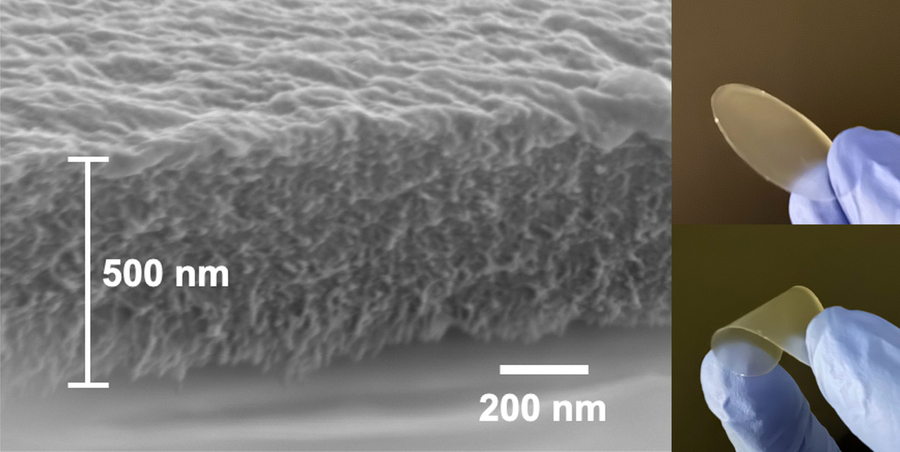
The findings, published in ACS Nano, were led by MIT postdoc Yilin Zhang, civil and environmental engineering professor Benedetto Marelli, and their team. The material’s creation originated from Marelli’s lab, which initially sought to combat counterfeit seeds through silk nanofibrils. Zhang suggested the material’s potential for water filtration, leading to the addition of cellulose to the silk structure, enhancing its performance. This hybrid material has shown promise in lab tests, significantly outperforming traditional filters like activated carbon.

Continue reading… “Breakthrough Silk-Based Filter May Solve Global Water Contamination Crisis”

Titanium-Nickel Alloy Breakthrough Paves Way for Shape-Shifting Aircraft and Artificial Muscles

Researchers at Japan’s National Institute of Materials Science (NIMS) have developed a highly flexible alloy made of titanium and nickel that could revolutionize industries by enabling shape-shifting aircraft and ultra-strong artificial muscles. The alloy boasts the strength of steel while remaining as stretchable as rubber when subjected to environmental changes.

Shape-shifting aircraft have long been the stuff of science fiction, primarily due to the challenge of creating a material flexible enough for such transformations yet robust enough to withstand the stresses of flight. Balancing strength and flexibility has been a major obstacle for scientists, as increasing one often comes at the expense of the other. While a shape-shifting aircraft could lead to greater energy efficiency and faster travel, passenger safety remains paramount, requiring materials that do not compromise on durability.

Continue reading… “Titanium-Nickel Alloy Breakthrough Paves Way for Shape-Shifting Aircraft and Artificial Muscles”

LG Display Unveils Stretchable Displays at Seoul Fashion Week, Redefining Fashion and Technology

LG Display, a global leader in display innovation, announced that it is showcasing its groundbreaking Stretchable displays at one of the world’s most anticipated fashion events—2025 S/S Seoul Fashion Week, held at Dongdaemun Design Plaza (DDP). These cutting-edge displays can be freely stretched, folded, and twisted, marking a major fusion of technology and fashion.

Debuting as part of futuristic clothing and bag concepts, LG Display’s Stretchable displays will be featured on the front of garments, sleeves, and clutch bags, designed by renowned Korean designers Youn-Hee Park of GREEDILOUS and Chung-Chung Lee of LIE. The models will showcase these revolutionary designs on the runway on September 5 and 7.

Continue reading… “LG Display Unveils Stretchable Displays at Seoul Fashion Week, Redefining Fashion and Technology”