Hypermotive and Honda Launch XM-1: Hydrogen Fuel Cell Power for the Maritime Industry

Hypermotive Limited, a UK-based leader in sustainable transport solutions, has unveiled the XM-1, a groundbreaking hydrogen fuel cell platform designed to revolutionize power generation in the maritime industry. Backed by Honda, this collaboration marks the Japanese automaker’s entry into hydrogen fuel cell technology in Europe.

As the transportation sector accounts for 20% of global CO2 emissions, efforts to reduce fossil fuel dependency have intensified. Electric vehicles (EVs) have led the way in reducing emissions for road-based and smaller vehicles. However, larger forms of transportation, like long-haul trucks and container ships, still rely heavily on fossil fuels due to their superior power density, ease of refueling, and global availability.

Continue reading… “Hypermotive and Honda Launch XM-1: Hydrogen Fuel Cell Power for the Maritime Industry”


Mobilicom Unveils Cutting-Edge 8-Inch Controller Pro for Ground Control Systems

Mobilicom Ltd., a leading provider of cybersecure robotic and drone solutions, has introduced its next-generation 8-inch Controller Pro, designed to meet the growing demands of the ground control station (GCS) market. The Shoham, Israel-based company announced this latest addition to its product line at the Commercial UAV Expo in Las Vegas, with plans to capitalize on a market expected to grow at a compound annual rate of 22% from 2023 to 2030.

“We believe our 8-inch Controller Pro has the potential to transform the uncrewed systems and robotics sector,” said Oren Elkayam, co-founder and CEO of Mobilicom. “This product combines power, portability, and affordability, providing mission-critical solutions across various applications.”

Continue reading… “Mobilicom Unveils Cutting-Edge 8-Inch Controller Pro for Ground Control Systems”

Revolutionary Helical Magnet Memory Devices May Transform Data Storage

A team of scientists has introduced an innovative approach to magnet-based memory devices, potentially revolutionizing data storage with large-scale integration, non-volatility, and exceptional durability. Their groundbreaking findings, published in Nature Communications, could pave the way for a new generation of memory technology.

Magnetic random access memory (MRAM), a leading example of spintronic devices, utilizes the magnetization direction in ferromagnetic materials to store information. Spintronics, known for its non-volatility and low energy consumption, is anticipated to play a key role in future data storage systems.

Continue reading… “Revolutionary Helical Magnet Memory Devices May Transform Data Storage”

Revolutionizing Computer Simulations: Sandia and Brown University Researchers Unveil a Groundbreaking Accelerator

Researchers at Sandia National Laboratories and Brown University have developed a transformative method to accelerate computer simulations, significantly speeding up scientific research across multiple fields. This new approach, recently published in npj Computational Materials, has the potential to enhance the performance of nearly any type of simulation—from drug discovery to space exploration.

“What’s remarkable is that, from the user’s perspective, there’s no difference in how you run your simulation,” said Rémi Dingreville, a Sandia researcher. “The difference lies in the time it takes to get your results—it’s dramatically faster.”

Continue reading… “Revolutionizing Computer Simulations: Sandia and Brown University Researchers Unveil a Groundbreaking Accelerator”

Revolutionizing Biological Research: Parallel Bio’s Vision for Automation and Organoid Technology

Ari Gesher, the new Head of Technology at Parallel Bio, may be a newcomer to biotech, but he’s already making waves with his ambitious vision for disrupting biological research. The startup is banking on a combination of automation and organoid technology to streamline experiments, making them faster, more efficient, and highly reliable. The aim? Freeing scientists to focus on designing innovative experiments while robots handle the repetitive tasks.

Gesher believes this approach could solve the longstanding biotech dilemma of having to choose between speed, quality, and cost. “There’s this old adage: cheaper, faster, better—pick two,” he said. “Our approach asks, why not have all three?”

Continue reading… “Revolutionizing Biological Research: Parallel Bio’s Vision for Automation and Organoid Technology”

Revolutionary Nanocatalyst Transforms Wastewater Treatment

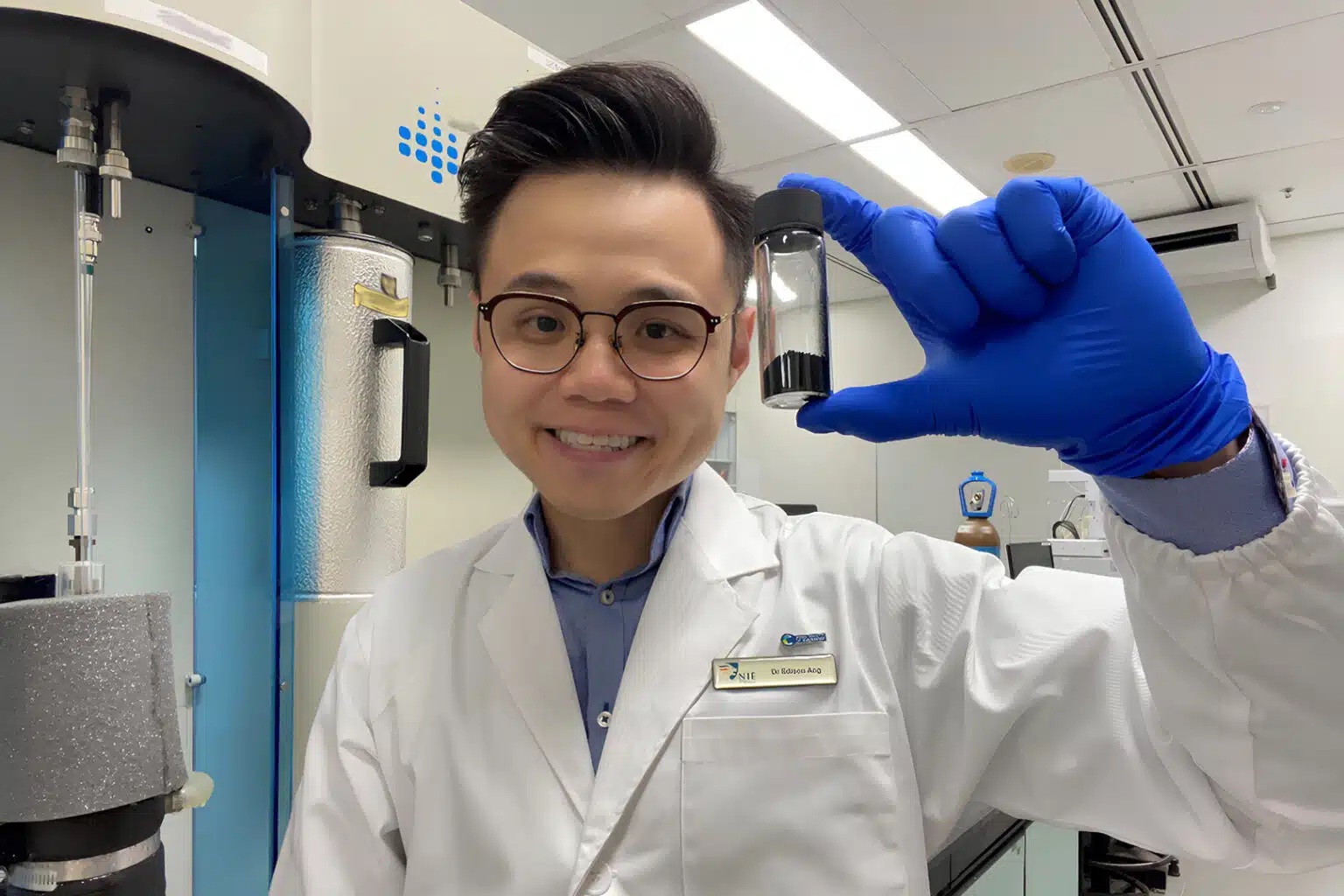
A research team led by Assistant Professor Edison Ang Huixiang from the National Institute of Education/Nanyang Technological University (NIE/NTU) Singapore has developed a groundbreaking nanocatalyst that could revolutionize wastewater treatment and pollutant elimination. Their innovative approach, detailed in a recent study published in Materials Horizons and featured in the Emerging Investigator series, introduces a more efficient method for cleaning wastewater.

The researchers engineered a novel catalyst by combining cobalt with manganese oxide nanorods (MnO@Co/C-600). They enhanced its performance by coating the catalyst with carbon, significantly improving its ability to attract and degrade harmful pollutants.

Continue reading… “Revolutionary Nanocatalyst Transforms Wastewater Treatment”

Microbial Allies: How Bacteria Are Revolutionizing Green Tech Recycling

In an innovative approach to combating climate change, scientists have formed an unexpected alliance with bacteria to extract rare metals crucial for green technology. Without the aid of these microbes, the world could soon face a shortage of raw materials needed to build essential components like turbines, electric cars, and solar panels.

Leading this groundbreaking work is a team from the University of Edinburgh, which is focusing on harnessing bacteria to extract valuable metals such as lithium, cobalt, and manganese from discarded batteries and electronic waste. These scarce and costly metals are essential for producing electric cars and other green technologies, a fact emphasized by Professor Louise Horsfall, chair of sustainable biotechnology at Edinburgh.

Continue reading… “Microbial Allies: How Bacteria Are Revolutionizing Green Tech Recycling”

Breakthrough in Brain-Machine Interfaces: EPFL Develops Miniaturized Brain-to-Text Technology

Researchers from EPFL have developed a groundbreaking miniaturized brain-machine interface (BMI) capable of translating brain activity into text on tiny silicon chips. This next-generation technology, known as the Miniaturized Brain-Machine Interface (MiBMI), promises to revolutionize communication for individuals with severe motor impairments.

Brain-machine interfaces have long held the potential to restore communication and control to people with conditions such as amyotrophic lateral sclerosis (ALS) and spinal cord injuries. However, traditional BMIs have been bulky, power-hungry, and limited in practical applications. The new MiBMI, developed by EPFL’s Integrated Neurotechnologies Laboratory (INL), overcomes these challenges by offering a compact, low-power, and highly accurate solution.

Continue reading… “Breakthrough in Brain-Machine Interfaces: EPFL Develops Miniaturized Brain-to-Text Technology”

Eggshells: The Future of Bone and Cartilage Implants

Eggshells, primarily composed of calcium carbonate, have long been used in various areas such as feed supplements and garden pest control. Now, groundbreaking research is revealing an innovative application: growing tissue for implants that can replace damaged or diseased bone and cartilage. This pioneering approach could revolutionize the field of medicine.

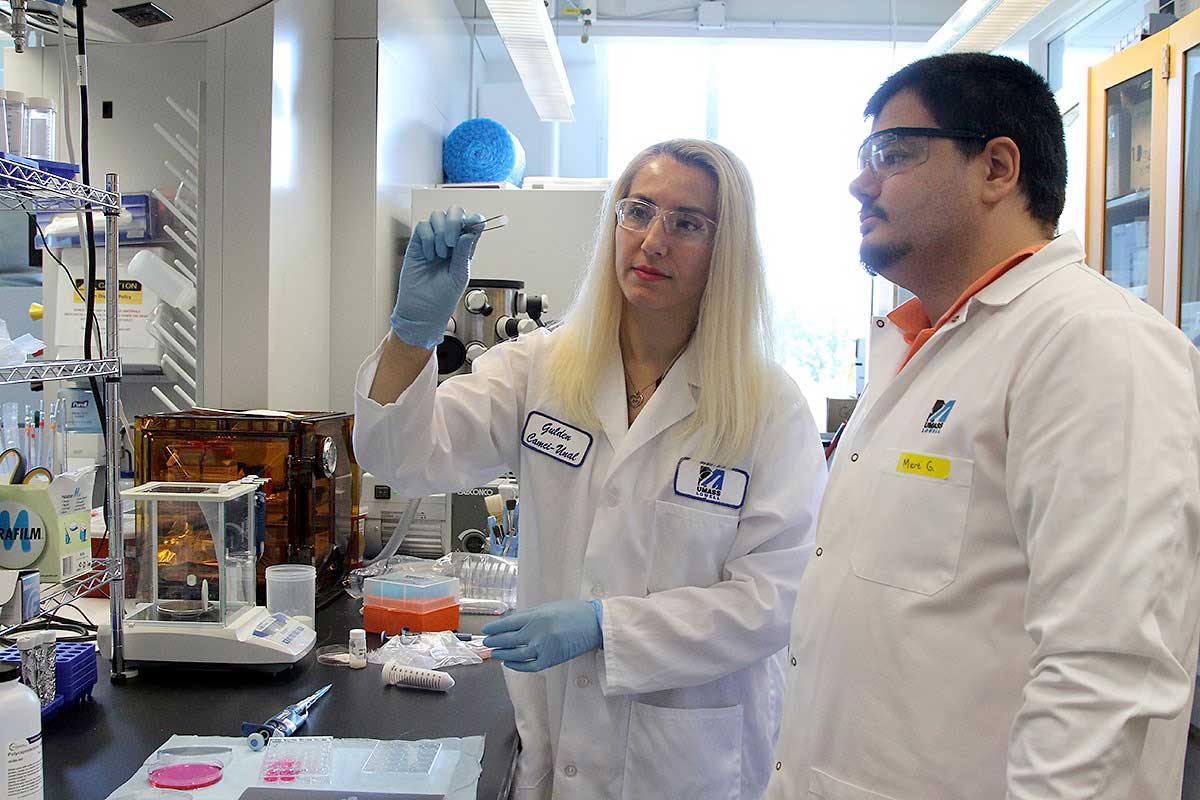
The research, led by Prof. Dr. Gulden Camci-Unal from the Department of Chemical Engineering at the University of Massachusetts Lowell, explores a novel method of repurposing eggshells. Despite their widespread use in other industries, their potential in medicine has been largely untapped until now. Since 2016, Camci-Unal and her team have been dedicated to utilizing finely crushed eggshells to create tiny 3D structures, known as scaffolds, where bone cells can grow and multiply.

Continue reading… “Eggshells: The Future of Bone and Cartilage Implants”

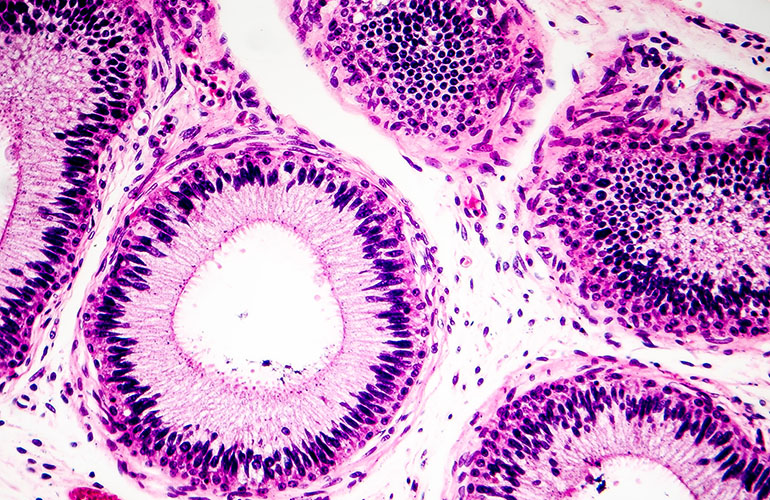
Novel CART Neuropeptide Shows Promise in Weight Loss and Alzheimer’s Protection

A newly modified CART neuropeptide has demonstrated remarkable stability, appetite reduction, and brain protection against harmful tau proteins linked to Alzheimer’s disease. This breakthrough research, recently published in the European Journal of Pharmacology, has shown promising results in both cellular and animal tests.

In experiments, the modified compound led to significant weight loss in higher-weight mice and reduced the presence of tau protein in their brains—a key marker associated with Alzheimer’s. The success of this compound lies in its modification with fatty acids, which enhance its ability to cross the blood-brain barrier. This improved delivery allows the neuropeptide to effectively reduce appetite and offer neuroprotective benefits, making it a potential candidate for treating or preventing neurodegenerative diseases, according to researcher Vilém Charvát.

Continue reading… “Novel CART Neuropeptide Shows Promise in Weight Loss and Alzheimer’s Protection”

Breakthrough in Cellular Agriculture: Continuous Manufacturing Method Could Make Cultivated Meat Affordable and Scalable

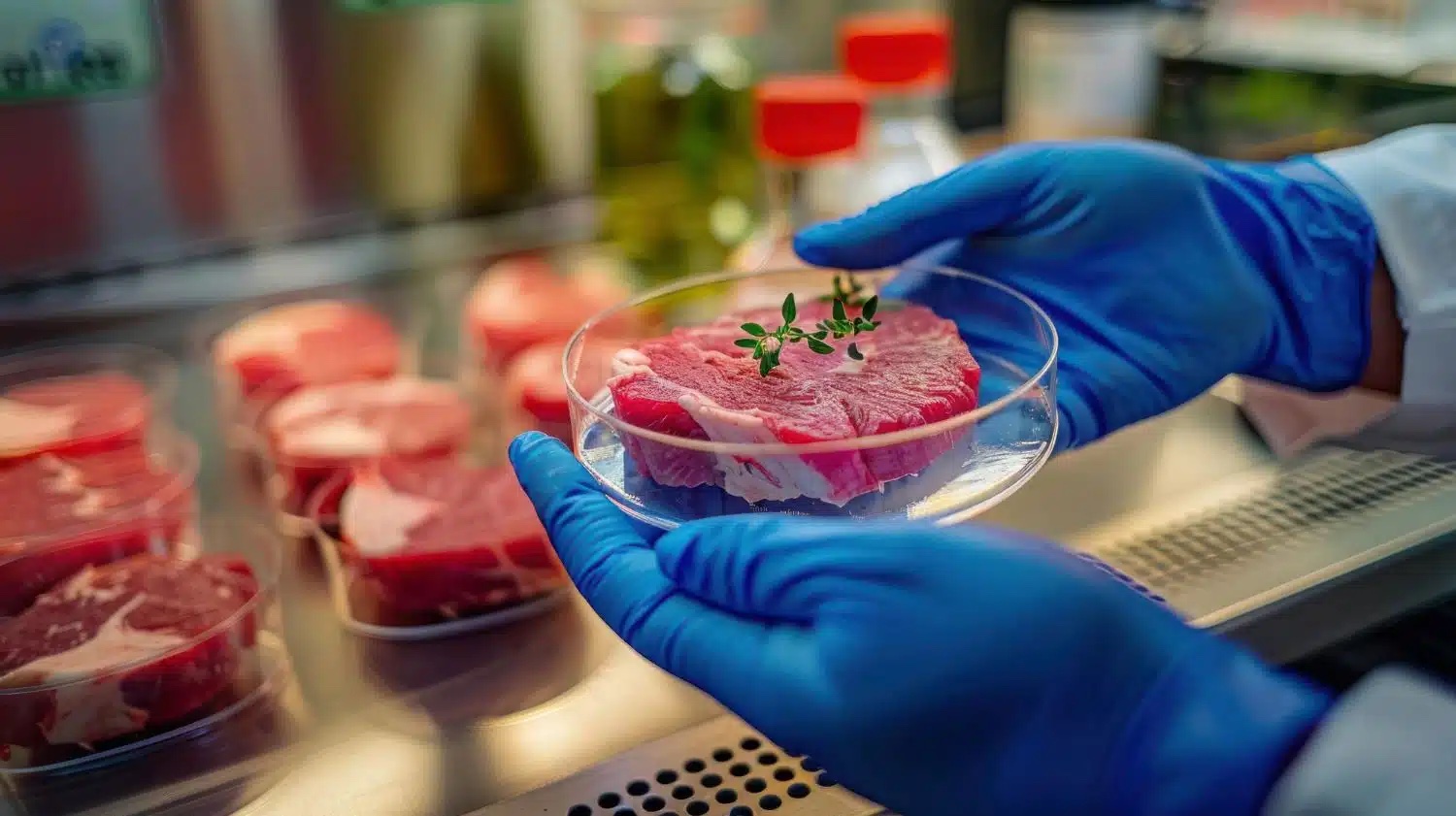
As the demand for animal products continues to rise, cellular agriculture offers a promising solution. However, current production technologies for cultivated meat face significant challenges, particularly in achieving scalability and cost-effectiveness. A groundbreaking study from the Hebrew University of Jerusalem, in collaboration with the cultivated meat industry, has introduced an innovative continuous manufacturing process that could overcome these hurdles, potentially making cultivated meat accessible to everyday consumers and contributing to a more sustainable and ethical food system.

Innovative Production Method

The researchers employed tangential flow filtration (TFF) to continuously produce cultivated meat, achieving an impressive biomass density of up to 130 billion cells per liter and a yield of 43% weight per volume. This process was maintained over a 20-day period, allowing for daily biomass harvests. Crucially, the study also developed a growth medium free of animal components, costing just $0.63 per liter. This medium is specifically designed to support the high-density, long-term culture of chicken cells, making the process both more affordable and scalable.

Continue reading… “Breakthrough in Cellular Agriculture: Continuous Manufacturing Method Could Make Cultivated Meat Affordable and Scalable”

Korean Researchers Engineer Bacteria to Produce Biodegradable Plastics with Enhanced Properties

Researchers in Korea have made a groundbreaking advancement in the quest to develop eco-friendly plastics by engineering bacteria to produce polymers with ring-like structures. These structures significantly enhance the rigidity and thermal stability of the resulting plastics, offering a promising alternative to traditional petroleum-based plastics.

Senior author Sang Yup Lee emphasized the potential impact of this innovation, stating, “I think biomanufacturing will be key to mitigating climate change and addressing the global plastic crisis.”

Continue reading… “Korean Researchers Engineer Bacteria to Produce Biodegradable Plastics with Enhanced Properties”