For billions of years, deoxyribonucleic acid (DNA) has served as nature’s ultimate data storage system, encoding the instructions for life itself. Now, engineers are harnessing the power of DNA for a new purpose—creating synthetic systems that function as biological computers. Until recently, these systems have struggled to store and process data simultaneously. However, groundbreaking research has shown that it’s possible to design a DNA-based system capable of performing a full range of computing tasks while storing information.
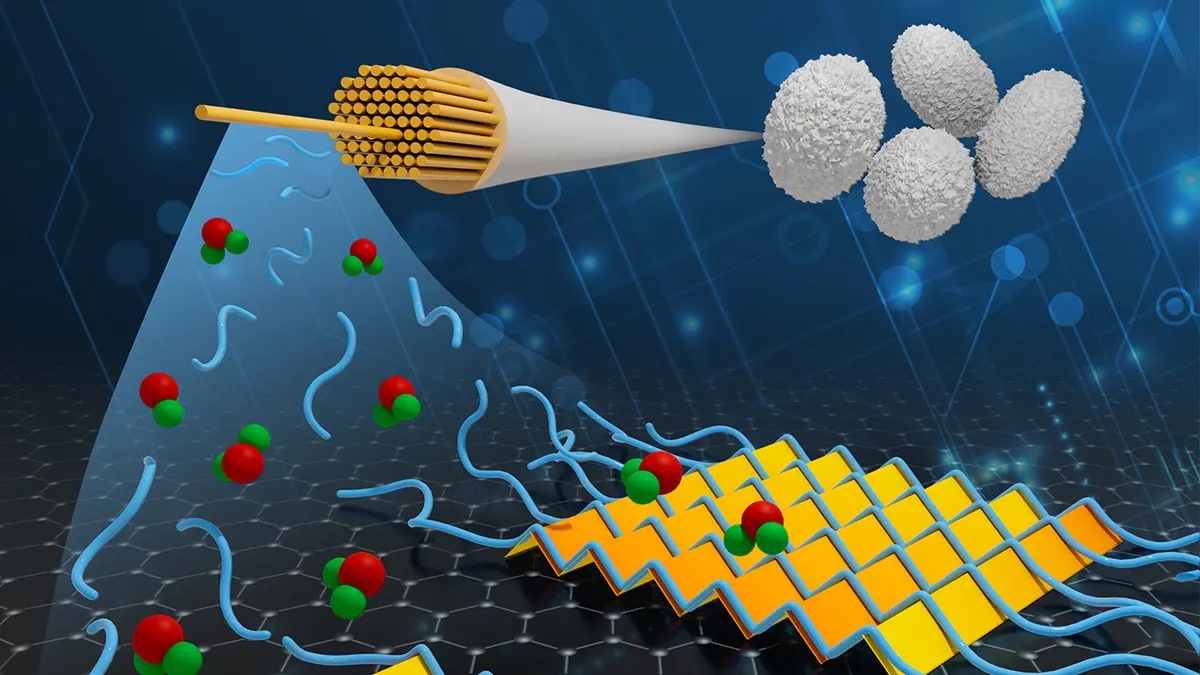
Researchers from North Carolina State University (NC State) and Johns Hopkins University have developed a novel nucleic acid scaffold that serves as both a data storage medium and a biological computing system. This breakthrough enables DNA to handle key computing functions, including storing, reading, erasing, moving, and rewriting data—all in programmable, repeatable ways, much like a traditional electronic computer.
Continue reading… “Revolutionizing Data Storage: DNA-Based Computing Systems Take a Major Leap Forward”