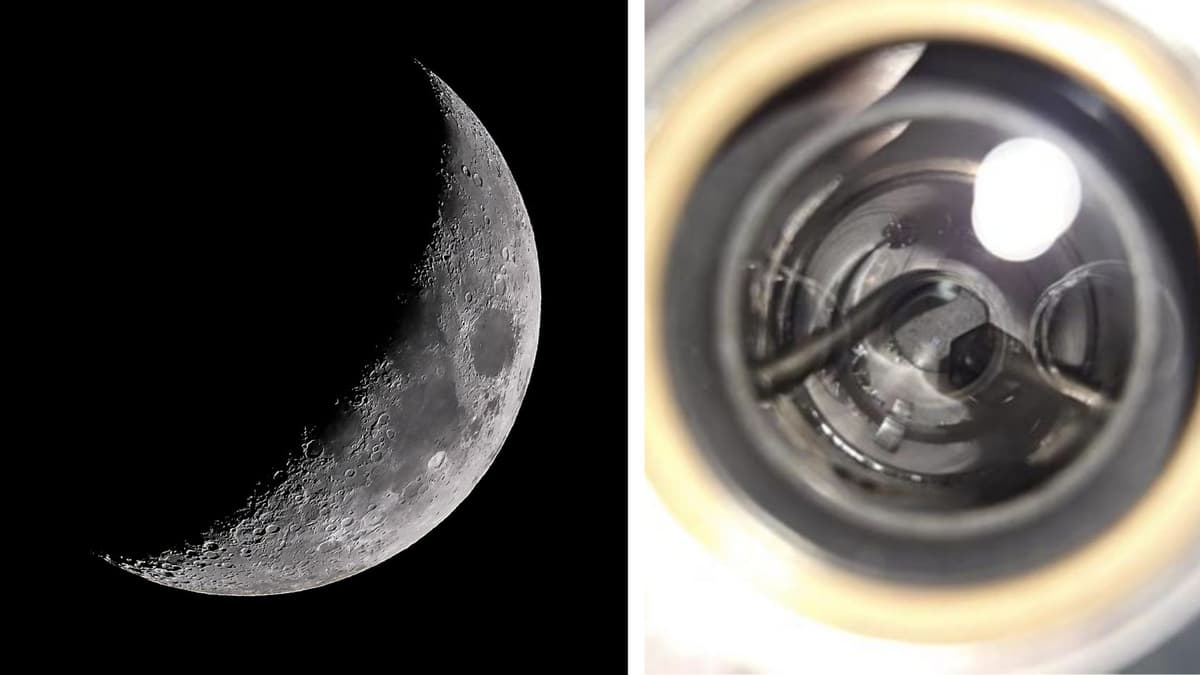
The DNA Shield You Didn’t Know You Needed: How Scientists Are Now Fortifying Life’s Fragile Code

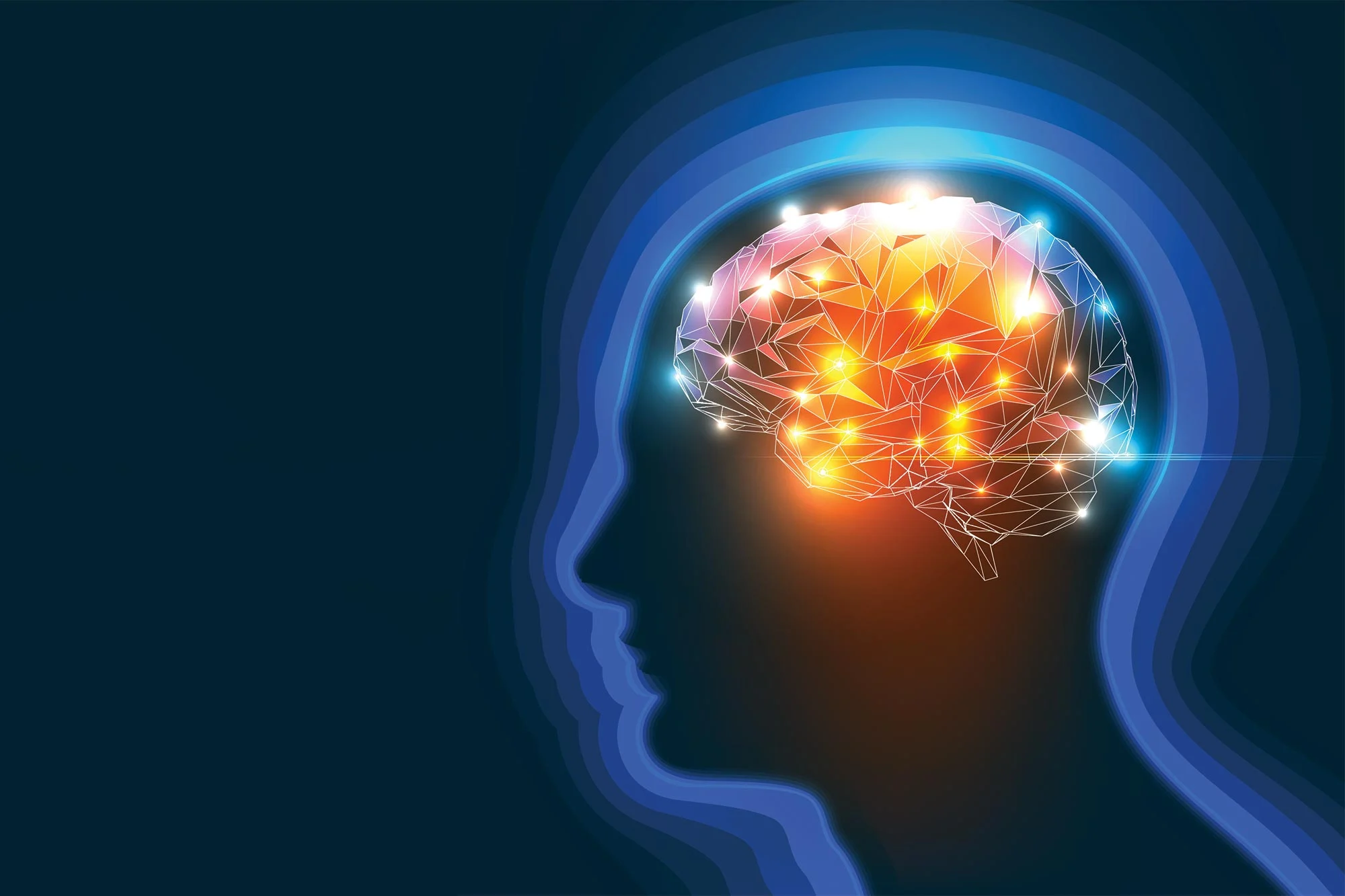
Tucked deep inside every cell is a time bomb we rarely talk about—mitochondrial DNA. Unlike its nuclear cousin, this tiny genetic engine doesn’t have much of a repair crew. When it breaks, it breaks hard. And that microscopic failure can cascade into inflammation, tissue damage, and a long list of chronic diseases.

But now, a team of researchers at UC Riverside has built something straight out of a cellular science thriller: a chemical shield that locks onto mitochondrial DNA before it unravels. It doesn’t just repair damage—it prevents the loss entirely.

Meet mTAP, a mitochondria-targeting molecular sentinel that doesn’t just react to cellular stress. It outsmarts it.

Continue reading… “The DNA Shield You Didn’t Know You Needed: How Scientists Are Now Fortifying Life’s Fragile Code”
4,000 Miles, One Heart: Robotic Telesurgery Just Rewrote the Rules of Medicine

On July 19, 2025, something extraordinary happened—without boarding a plane, stepping into a hospital, or even crossing a time zone, a cardiac surgeon in France reached into a patient’s chest in India and repaired a hole in their heart.

This wasn’t science fiction. It was robotic reality.

Dr. Sudhir Srivastava, Chairman and CEO of SS Innovations, performed the world’s first intercontinental robotic cardiac telesurgery using the company’s proprietary SSi Mantra 3 system. He sat at a surgical console in Strasbourg, France. The patient lay 4,000 miles away in an operating room in Indore, India. And the robot? It bridged the entire planet—with surgical precision and near-zero latency.

Continue reading… “4,000 Miles, One Heart: Robotic Telesurgery Just Rewrote the Rules of Medicine”

The Sweet Assassin: Scientists Turn Stevia Into a Cancer Killer

It started as a sugar substitute—and ended as a weapon against one of the deadliest forms of cancer.

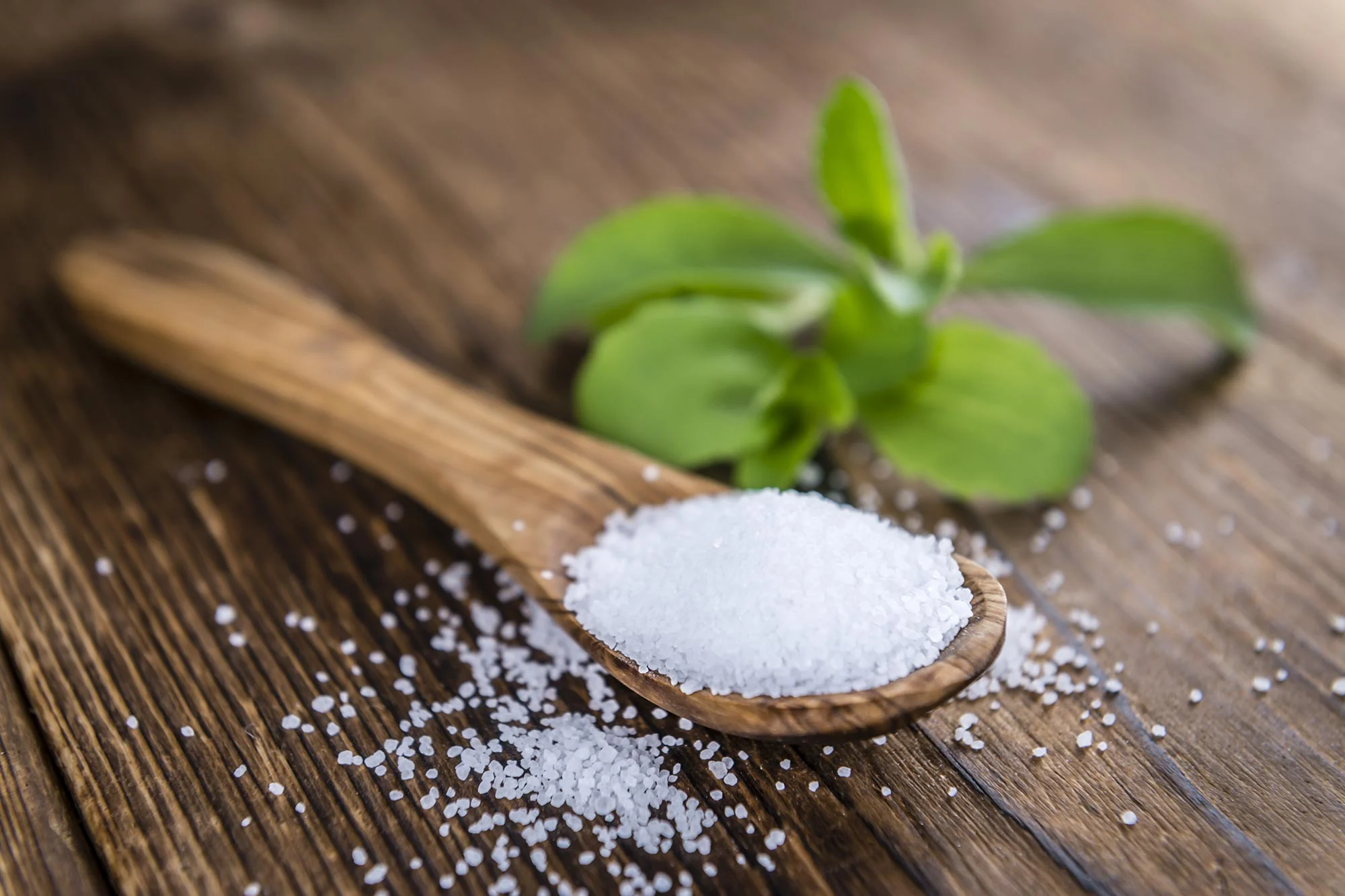
In a twist that would make any pharmaceutical executive sweat, researchers at Hiroshima University have discovered a way to turn stevia—yes, the zero-calorie sweetener from your local grocery aisle—into a precision-engineered cancer killer. But not by changing the plant itself. By fermenting it with bacteria pulled from banana leaves.

The result? A natural compound so potent, it selectively kills pancreatic cancer cells while leaving healthy kidney cells untouched. No chemo. No radiation. Just a humble plant, reprogrammed by microbes into a bioengineered assassin.

Continue reading… “The Sweet Assassin: Scientists Turn Stevia Into a Cancer Killer”

The Microbial Revolution: How Bacteria Are Building the Future of Plastic—and Then Erasing It

What if the solution to our plastic nightmare wasn’t some miracle machine or billion-dollar cleanup plan—but wild microbes, pulled straight from the dirt?

At Murdoch University in Western Australia, scientists have done exactly that. They’ve tapped into nature’s molecular black market and found bacteria that don’t just survive in harsh environments—they hoard resources, synthesize natural polymers, and spit out a plastic that doesn’t pollute, doesn’t linger, and doesn’t need a single drop of petroleum. When they’re done, it disappears—no toxic residue, no microplastics, no trace.

This isn’t your grandma’s compostable plastic. It’s not that flimsy “eco-friendly” fork that snaps in your hand or the greenwashed packaging that ends up in the same landfill as everything else. This is plastic reimagined from the microbial level up—engineered by nature, recovered by science, and destined to vanish like it was never there.

Continue reading… “The Microbial Revolution: How Bacteria Are Building the Future of Plastic—and Then Erasing It”

The Stablecoin Revolution: 12 Predictions That Will Transform Money Forever

On July 21, 2014, two blockchain pioneers—Dan Larimer and Charles Hoskinson—launched BitUSD on the BitShares network, creating the world’s first stablecoin. Their ambitious experiment sought to solve cryptocurrency’s biggest problem: extreme volatility that made digital assets useless for everyday commerce. BitUSD failed spectacularly, losing its dollar peg in 2018, but it planted the seeds for a revolution that would reshape global finance.

Later in 2014, a project called RealCoin (later rebranded as Tether) introduced a simpler approach: backing digital tokens with actual dollar reserves held in traditional banks. Unlike BitUSD’s complex algorithmic mechanisms, Tether’s model was elegantly straightforward—one digital token for one physical dollar. Despite early controversies about reserve transparency and a $41 million regulatory fine, Tether proved the concept worked at scale.

The evolution accelerated rapidly. USD Coin launched in 2018, emphasizing regulatory compliance and audited reserves. DAI emerged as a decentralized alternative, backed by cryptocurrency collateral and governed by smart contracts. By 2020, the combined stablecoin market had grown to just $5 billion—a niche corner of the crypto ecosystem used primarily for trading.

Then everything changed.

Continue reading… “The Stablecoin Revolution: 12 Predictions That Will Transform Money Forever”

Plastic’s Replacement Is Alive—and It’s Spinning

The age of dead materials may be coming to a close. In a quietly radical experiment at the University of Houston, scientists have figured out how to grow a material strong enough to rival plastic—not from oil, but from living bacteria. And not just any bacteria. These microscopic workers are being trained, spun, and coaxed into building a future where plastic is obsolete.

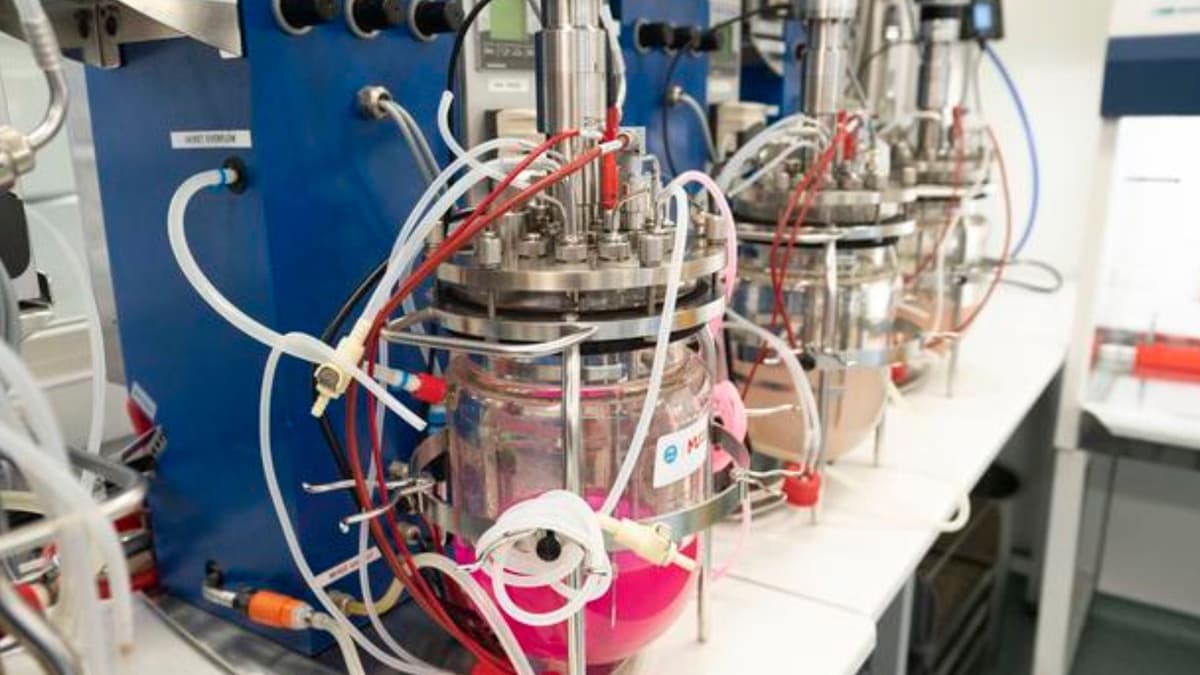
At the heart of this breakthrough is bacterial cellulose—a naturally occurring biopolymer that’s strong, flexible, and fully biodegradable. Until now, it’s been treated more like a scientific curiosity than a global solution. But researcher Maksud Rahman and his team just changed that by teaching bacteria to spin stronger, smarter versions of this material in a rotating culture chamber that behaves more like a bioreactor than a petri dish.

Continue reading… “Plastic’s Replacement Is Alive—and It’s Spinning”

The Moon Just Became a Gas Station

While most nations are still debating the ethics of AI or struggling to regulate TikTok, China is quietly preparing for a permanent presence on the Moon—and they may have just cracked the code that turns lunar dirt into breathable air and rocket fuel.

In a scientific sleight of hand, researchers from the Chinese University of Hong Kong, Shenzhen, have demonstrated a breakthrough that reads more like science fiction than reality. Using actual moon dust collected by the Chang’e-5 mission, they’ve figured out how to extract water and convert astronauts’ carbon dioxide exhalations into usable fuel and oxygen—all in one elegant, light-powered reaction. No complicated supply chains. No Earth-bound logistics. Just sunlight, CO₂, and the Moon itself.

Continue reading… “The Moon Just Became a Gas Station”

The Molecule That Fights Stroke—and Might Rewrite the Future of Brain Health

Imagine a drug that protects your brain six hours after a stroke. Now imagine that same molecule quietly holds the key to reversing Alzheimer’s and other neurological killers—without the usual side effects, without the heartbreak, and without the ticking clock.

That’s the promise behind GAI-17, a small molecular disruptor developed by researchers in Japan that may become one of the most important brain interventions of our time.

And no one saw it coming.

Continue reading… “The Molecule That Fights Stroke—and Might Rewrite the Future of Brain Health”

Concrete Goes Blue: How Seaweed and AI Are Cracking Cement’s Dirtiest Secret

It’s hard to overstate the paradox of cement: it holds up our buildings, our bridges, our entire civilization—yet it also quietly poisons the process. Pound for pound, producing cement releases almost as much CO₂ as the material itself weighs. It’s an unavoidable chemistry problem baked into the modern world.

Until now.

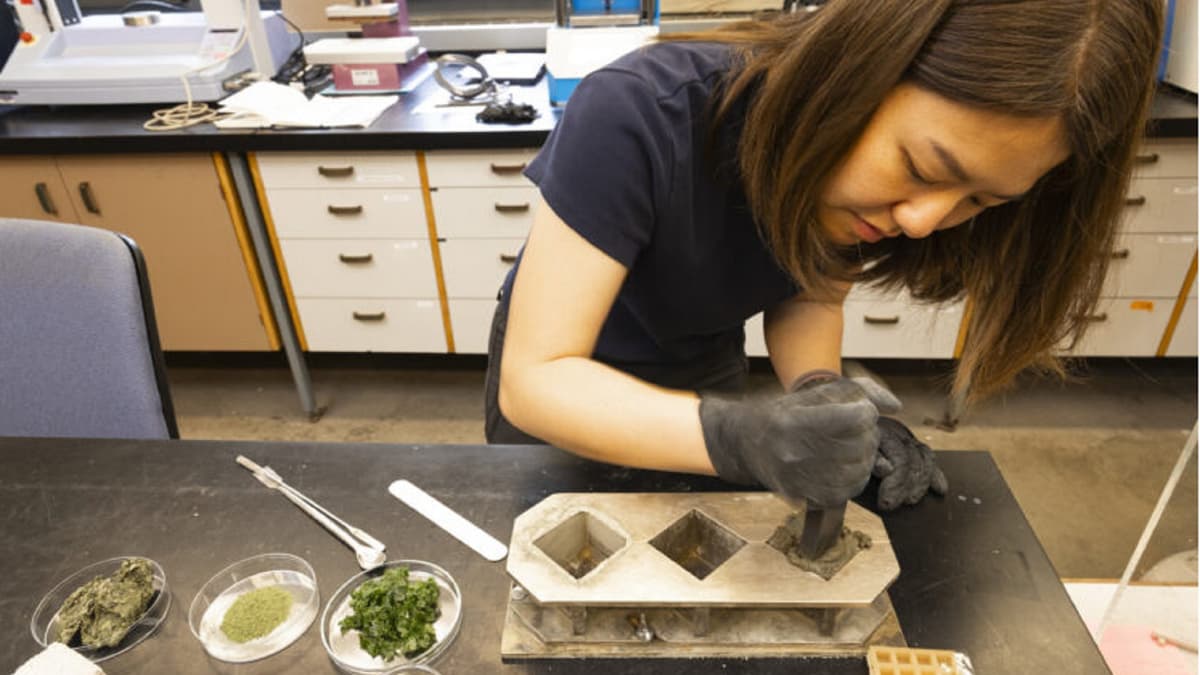
A team of scientists at the University of Washington, working in partnership with Microsoft, has taken an unexpected detour through the ocean—and come back with powdered seaweed as a concrete additive that radically alters the equation.

This isn’t just a quirky material swap. It’s the beginning of a full-blown materials intelligence revolution—where biology meets AI to rewrite what we think infrastructure should be made of.

Continue reading… “Concrete Goes Blue: How Seaweed and AI Are Cracking Cement’s Dirtiest Secret”

Reprogramming Nature: How Gene Editing Could Rescue the Species We’ve Already Failed

For decades, conservation has been about slowing the bleeding—captive breeding, protected habitats, desperate triage for species spiraling toward extinction. But what if we stopped trying to preserve nature like a museum exhibit and started engineering its comeback?

A new wave of scientists thinks we can. And they’re not talking about protecting animals—they’re talking about reprogramming them.

In a landmark paper published in Nature Reviews Biodiversity, an international team of researchers argues that gene editing—yes, the same tech used to make drought-resistant corn and revive mammoths—can now be applied to rescue endangered species. Not metaphorically. Literally.

This isn’t about keeping a few more pandas alive. This is about restoring lost genetic diversity, reversing evolutionary collapse, and using 21st-century tools to solve problems we created in the 20th.

Let that sink in: We may soon edit animals back to health.

Continue reading… “Reprogramming Nature: How Gene Editing Could Rescue the Species We’ve Already Failed”

The Death of Google Search: Why Google’s Results Are Now Worse Than Its Competitors

If you’re wondering if Google search is not as good as it used to be, you’re not alone. Try searching for anything meaningful these days—a product review, a technical question, even basic factual information—and you’ll likely find yourself swimming through a sea of AI-generated spam, affiliate marketing garbage, and Reddit threads that somehow rank higher than actual expert sources. Want proof? Try doing the same search on Bing, DuckDuckGo, Startpage, Searx, or even Yandex. The results are often vastly different, and increasingly, they’re better.

What you’re witnessing isn’t just your imagination or nostalgia for simpler times. It’s the documented collapse of what was once the internet’s most trusted gatekeeper, and the cause isn’t some inevitable decay of the web. It’s corporate panic, greed, and a series of deliberate decisions that prioritized short-term revenue over the very quality that made Google indispensable in the first place.

Continue reading… “The Death of Google Search: Why Google’s Results Are Now Worse Than Its Competitors”